Energy Rituals of People Who Don’t Need a Second Coffee
Some people move through the day without the familiar cycle of caffeine, crash, and rescue. Here’s what they actually do differently — and why it works.
There is a particular type of person who makes you quietly suspicious. They arrive at 4 pm meetings with the same quality of attention they had at 9 am. They don’t mention being tired. They don’t have a complicated coffee order. They don’t disappear after lunch and return with a sugar fix in hand.
They’re not superhuman. They’re not sleeping ten hours a night. They’ve just built a relationship with their energy that most people haven’t thought to try.
The rituals that underpin consistent, sustainable energy are not particularly dramatic. They don’t require a 5 am wake-up, a cold plunge, or a supplement stack that costs more than dinner. They require understanding how the body actually makes energy — and then working with that biology rather than against it.
They treat the morning as infrastructure, not an emergency response
Most people’s mornings are reactive. The alarm goes off. The phone goes on. The coffee goes in. The day has already started making demands before the body has had a chance to transition out of sleep.
People with consistently good energy tend to build a buffer into the morning — not because they’re disciplined in some admirable but unreachable way, but because they’ve noticed that the first thirty minutes set the tone for everything that follows. Light before screens. Water before coffee. A moment of stillness before the inbox.
The physiology supports this. Morning light exposure resets the circadian rhythm, sharpening the alertness peak that naturally occurs in late morning. Hydration — you’ve gone six to eight hours without water — restores cellular function before the cognitive demands of the day begin. Coffee, taken after cortisol levels have naturally peaked (usually 90 to 120 minutes after waking), works more effectively and with less tolerance buildup.
None of this is complicated. It’s mostly a matter of sequencing.
-
Water before caffeine, every morning.
Overnight dehydration reduces cognitive performance measurably. Sixteen ounces of water before the first coffee costs thirty seconds and changes the baseline you’re starting from.
-
Delay the first coffee by 90 minutes.
Cortisol is your body’s natural alertness mechanism. Introducing caffeine before it peaks blunts both effects. Wait, and both work better. The afternoon crash is also less severe.
-
Natural light within 30 minutes of waking.
Even on overcast days, outdoor light is significantly brighter than indoor lighting. Ten minutes outside in the morning sets your circadian clock and sharpens the late-morning alertness window.
They eat for the afternoon, not just for hunger
The single biggest dietary predictor of afternoon energy is the composition of lunch. High-glycaemic meals — refined carbohydrates, processed foods, sugary drinks — produce a blood sugar spike followed by a correction that lands below baseline around 2 pm. This is not a willpower problem. It’s a glucose curve.
People who avoid the afternoon crash tend to eat lunches that are heavy on protein, healthy fats, and complex carbohydrates — not because they’re following a diet, but because they’ve noticed, consciously or otherwise, that certain meals leave them sharp and others leave them searching for the sofa.
A ten-minute walk after lunch significantly flattens the post-meal glucose spike, directing blood sugar into muscle rather than letting it cycle through the bloodstream. It’s one of the most evidence-backed energy interventions that almost nobody does.
-
Protein and fat at lunch, not just carbohydrates.
The meal that’s lightest on refined carbs tends to produce the most stable afternoon. This isn’t about restriction — it’s about the glucose curve that follows.
-
A ten-minute walk after eating.
Muscle activity after a meal pulls glucose from the bloodstream, reducing the post-lunch spike and its inevitable correction. Ten minutes is enough to make a measurable difference.
They support cellular energy, instead of stimulating alertness
Here’s where the conversation moves to a place most people haven’t been. Caffeine manages alertness. It doesn’t create energy. The distinction matters more as you get older.
Your cells produce energy through a process that depends critically on a molecule called NAD+. After 35 or so, NAD+ levels begin to decline, compounding over time — reducing the efficiency of cellular energy production in ways that no amount of coffee can address. The tiredness that starts accumulating in midlife isn’t just about sleep or stress. It’s partly structural.
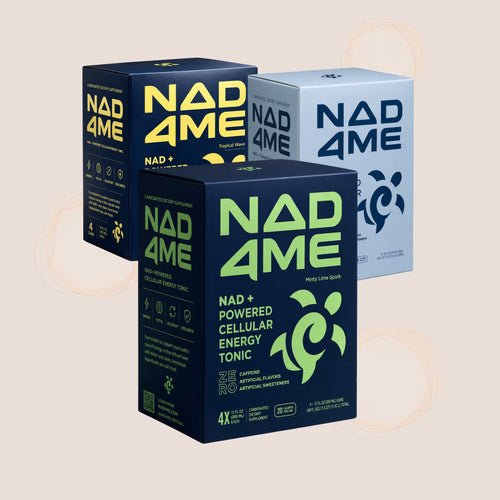
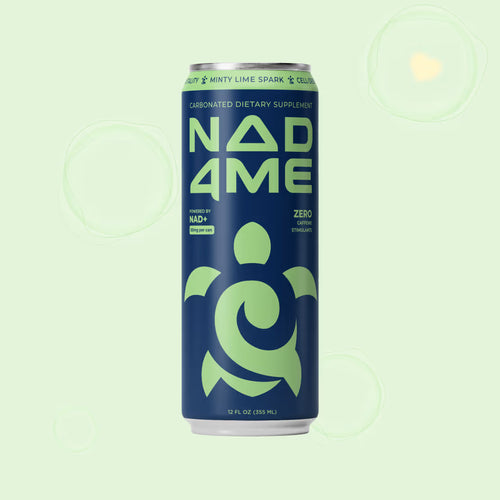
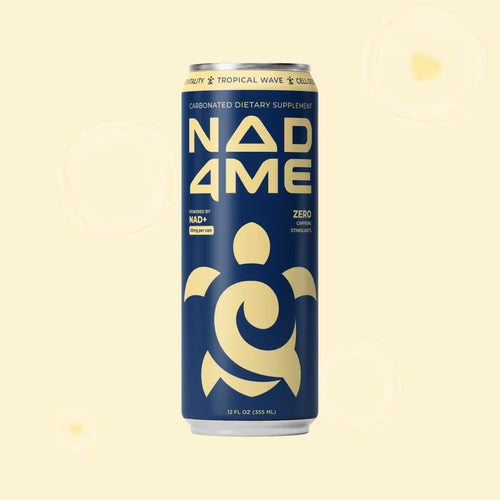
People who actively support NAD+ levels — through diet, through targeted nutrition, or through purpose-built beverages like NAD4Me — are addressing the energy problem at its source rather than managing the symptoms. The effect isn’t a rush. It’s a steadiness. The afternoon that used to require intervention starts requiring less.
Caffeine gives you a longer rope. Supporting your cellular energy machinery gives you a bigger engine. They’re solving different problems.
They protect the evening to protect the morning
Consistent energy is a twenty-four-hour system, not a daytime problem. The people who feel best in the afternoon are usually the ones who are most deliberate about the evening.
Not necessarily early bedtimes, though sleep timing matters. More specifically, winding down the nervous system before expecting it to sleep. Alcohol, late meals, screens at full brightness — all of these delay or degrade sleep quality in ways that manifest as reduced energy the following afternoon, not just the following morning.
The second coffee habit, for many people, is actually an evening problem in disguise. Caffeine has a half-life of five to six hours. An afternoon coffee at 3 pm means half of it is still active at 8 pm, delaying sleep onset and reducing deep sleep even when total hours look fine.
The people who don’t need a second coffee have usually made the first one unnecessary. Not through discipline, but through a set of small decisions — about timing, about what they eat, about how they think about energy itself — that compound quietly over time into a different baseline.
That baseline is available to most people. It just requires knowing what you’re working with.
___________
Cover photo by Vitaly Gariev on Unsplash