What Is a Cellular Energy Drink?
What is a cellular energy drink? Learn how NAD+-powered, zero-caffeine formulas support steady energy, focus, recovery, and vitality.
That 2:30 p.m. drop-off is familiar for a reason. Most energy products are built to push harder, not support how your body actually makes energy. A cellular energy drink takes a different path - one that starts with the systems inside your cells rather than a blast of caffeine, sugar, or overstimulation.
If you have ever felt wired after an energy drink but somehow still tired underneath it, you already understand the gap this category is trying to close. The promise is not a temporary spike. It is steadier energy, clearer thinking, and a better rhythm from morning to evening.
What makes a cellular energy drink different?
Traditional energy drinks usually rely on stimulants to create a noticeable effect fast. That can feel useful in the moment, especially before a workout, a long drive, or a demanding day. But the trade-off is familiar too - jitters, irritability, a hard crash, sleep disruption, or the cycle of needing another can just to feel normal.
A cellular energy drink is designed around the biology of energy production itself. Instead of asking your nervous system to go faster, it aims to support the cellular pathways involved in turning nutrients into usable energy. That is why this category often appeals to people who are done chasing quick fixes and want something that fits a more sustainable wellness routine.
At the center of that conversation is NAD+, a coenzyme found in every cell and essential to energy metabolism. NAD+ helps shuttle electrons in the reactions that allow mitochondria to produce ATP, the energy currency your body uses for everything from muscle function to mental performance. It is also connected to broader processes tied to repair, resilience, and healthy aging.
That last part matters. For many adults, low energy is not just about a busy calendar. It is about cumulative stress, poor recovery, disrupted sleep, and the feeling that stimulants are masking the problem instead of helping solve it.
Why NAD+ is central to the cellular energy drink conversation
NAD+ has become a major focus in wellness because it sits at the intersection of energy, metabolism, and longevity science. As we age, NAD+ levels tend to decline. That does not mean one drink reverses aging, and any brand that says so is overselling the story. But it does explain why so many health-conscious consumers are paying attention to formulas that support cellular function rather than just perceived alertness.
In practical terms, people are looking for a different kind of energy experience. They want mornings that start cleaner, afternoons with less brain fog, and evenings that do not feel wrecked from whatever they used to get through the day. A well-formulated cellular energy drink is built for that use case.
The best products in this space do more than drop in a trendy ingredient and call it innovation. They pair stabilized NAD+ or related cellular support compounds with complementary nutrients that help shape the overall effect. Think B-vitamins for energy metabolism, amino acids that support mood and focus, and antioxidant compounds that fit the recovery and vitality story.
What benefits should you realistically expect?
A good cellular energy drink should feel different from a standard energy drink almost immediately, but not because it hits harder. Usually, the difference is that it feels smoother.
Instead of a sharp surge, people often describe a more level sense of readiness. You feel more switched on, but not sped up. Mental clarity may improve without the restless edge that caffeine-sensitive people know too well. For some, that means better focus during meetings or creative work. For others, it means more consistency before a workout or less afternoon drag when the day is only half over.
Recovery support is another reason this category is growing. When cellular energy production is supported well, the benefits may extend beyond alertness into how you feel after physical or mental exertion. That does not replace sleep, nutrition, or stress management. It simply fits into a broader strategy for keeping your system more resilient.
The nuance is that results can vary. If someone is severely sleep deprived, under-eating, or running on chronic stress, no beverage is going to override that biology for long. A cellular wellness approach works best when it supports a decent foundation, not when it is asked to rescue a broken routine every single day.
Who a cellular energy drink is actually for
This category makes the most sense for adults who want energy without stimulant dependence. That includes professionals who need focus but cannot afford a caffeine crash, fitness-minded people who care about recovery, and wellness consumers who are already thinking about metabolism, mitochondrial health, and healthy aging.
It is also a strong fit for people who have outgrown the old energy drink model. Maybe caffeine now hits too hard. Maybe sleep has become too valuable to sacrifice. Maybe you are simply tired of choosing between productivity now and feeling decent later.
For that audience, a zero-caffeine cellular energy drink is not a compromise. It is an upgrade in what energy is supposed to feel like.
What to look for in a cellular energy drink
Not every product using cellular language is built the same. Some formulas lean heavily on branding while quietly functioning like a standard energy beverage with a wellness halo. Others are more intentional, using ingredients with a clearer role in metabolism, mental clarity, and recovery.
Start with the mechanism. If a product claims cellular energy support, it should explain how. NAD+ is one of the clearest anchors because of its direct role in cellular metabolism. Supportive ingredients also matter. Compounds such as L-tryptophan, trigonelline, ergothioneine, inositol, and essential B-vitamins can help round out the experience by supporting mood, resilience, metabolic pathways, and everyday vitality.
Then look at what is not in the can. If the drink still depends on heavy caffeine loads, lots of sugar, or an ingredient panel built around stimulation first, it may not deliver the steady experience you are after. A real cellular energy drink should feel aligned with wellness, not dressed up like it.
Taste and ritual matter too. People stick with products that fit their lives. If a drink is pleasant enough to become part of your morning, your pre-work block, or your afternoon reset, it has a better chance of delivering consistent value than something you only tolerate for the effect.
Cellular energy drink vs. traditional energy drink
The simplest difference is where the formula starts. Traditional energy drinks usually start with stimulation. Cellular energy drinks start with support.
That does not mean one is universally better in every context. If someone wants a high-caffeine pre-workout effect, a cellular formula may feel too subtle. If someone needs to stay awake overnight for an emergency shift, stimulant-based products may create a stronger immediate sensation. There is a reason caffeine remains popular.
But for everyday energy, the old model has clear limits. More stimulation is not always more function. For many people, it is just more volatility. They want energy they can live with, not recover from.
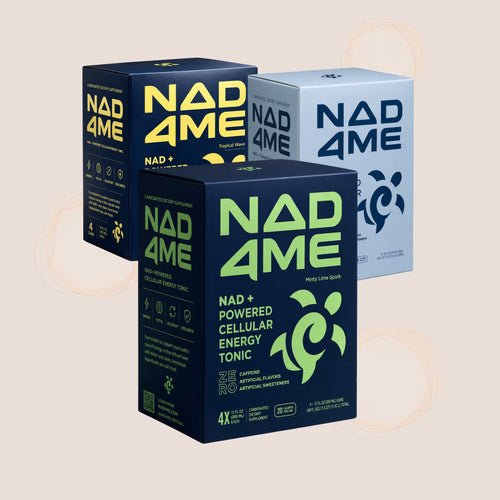
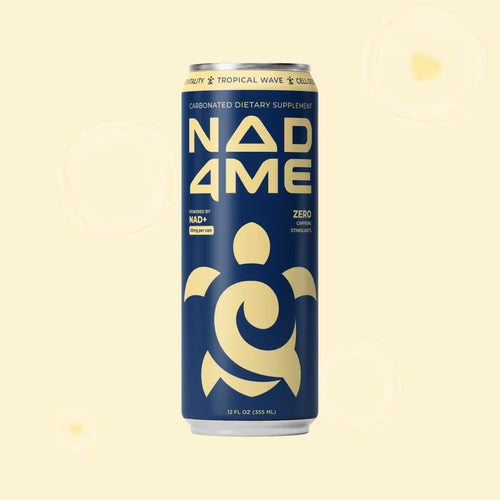
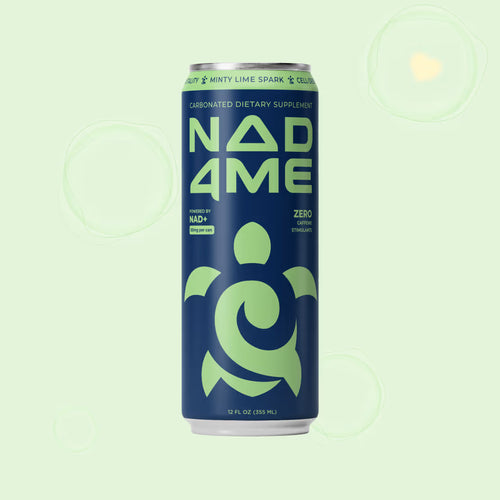
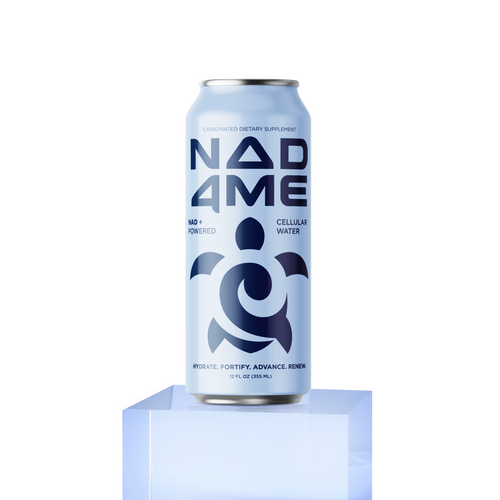
That is where brands like NAD&ME have found a meaningful position. By framing energy at the cellular level and building around stabilized NAD+ with supportive ingredients, the category starts to feel less like a performance hack and more like a daily vitality ritual.
Why this category is gaining momentum
Consumer behavior is shifting. People are reading labels more closely, questioning the cost of stimulant-heavy routines, and connecting energy to bigger wellness goals like recovery, cognition, and healthy aging. They want products that make sense in the context of the whole body.
That shift is also cultural. The future of energy is not just about feeling more awake. It is about preserving output without draining your reserves. In that sense, a cellular energy drink speaks to a more mature wellness mindset - one that values steadiness over spikes and function over hype.
There is still room for skepticism, and that is healthy. The category should be judged by formulation quality, lived experience, and whether it delivers on the promise of sustained energy without the usual downside. But the core idea is strong because it reflects what people are increasingly asking for: energy that works with the body, not against it.
If your current routine leaves you buzzing, crashing, and starting over again tomorrow, it may be time to ask a better question. Not how to get more stimulation, but how to bring back the energy your body was built to make.