Protein Benefits: What Actually Works at the Cellular Level
Protein benefits include muscle building and repair, sustained energy, immune function, hormone production, and healthy aging. But realizing those benefits depends on more than just protein intake.
The protein benefits most people don't know about
Protein is the most studied macronutrient in modern nutrition. The protein benefits are real, well-documented, and apply across nearly every demographic.
The core list of protein benefits: muscle building and maintenance, recovery from exercise, satiety, and appetite control. As well as stable blood sugar, immune support, hormone, and enzyme production. Not to mention healthy hair and nails, and protection against age-related muscle loss, also known as sarcopenia.
For women over 40, the protein conversation has shifted dramatically in the last five years. Where the standard recommendation once hovered around 0.8 grams per kilogram of body weight, current research suggests that 1.2 to 1.6 grams per kilogram is closer to optimal for adults.
Whey, casein, plant protein blends, collagen peptides, and essential amino acid (EAA) supplements have all carved out their place in this landscape. The category continues to grow because the research keeps validating the protein benefits.
But here is what the research also shows: protein benefits are not delivered by protein alone.

How protein actually works in your body
A protein shake, a chicken breast, a serving of Greek yogurt — none of them are directly usable by your cells. They are raw materials. The benefits of protein only emerge after a long sequence of biochemical processing.
In the stomach and small intestine, dietary protein is broken down into individual amino acids. Those amino acids are absorbed into the bloodstream and delivered to cells throughout the body.
Once inside a cell, amino acids face one of two fates: they are used to build new proteins, or they are broken down for energy.
Both pathways depend on NAD+.
For protein benefits, specifically muscle building, amino acids activate a cellular signaling pathway called mTOR, which initiates muscle protein synthesis. That synthesis requires energy in the form of ATP, and ATP production runs through NAD-dependent pathways at every step.
For protein benefits such as amino acid breakdown, the dependence is even more direct. The first step of using an amino acid for energy involves stripping off the nitrogen group. This reaction is performed by enzymes that require NAD+ to function. The remaining carbon skeleton then enters the Krebs cycle, and three of its eight steps require NAD+ as a cofactor.
In other words, protein delivers the building blocks. NAD+ is what lets your cells actually use them.
Protein provides the raw material. NAD+ is the cofactor that allows your cells to convert that material into muscle, energy, and repair. Without enough NAD+, even the best protein delivers less of what it's designed to deliver.
Why protein benefits feel different at 25 versus 45
A common observation among adults over 40, especially women: the protein routine that worked beautifully in your twenties feels less responsive a decade or two later. The shake doesn't quite hit the same. Recovery takes longer. Building muscle requires more effort for less visible results.
The standard explanations are valid but incomplete. Hormonal shifts (estrogen and testosterone decline), reduced anabolic signaling, lower mitochondrial density, and chronic low-grade inflammation all play roles. These are real factors.
But sitting underneath all of them is a quieter variable: cellular NAD+ availability declines with age. Multiple peer-reviewed reviews have documented meaningful reductions in tissue NAD+ levels with aging. The decline is accelerated by stress, alcohol, poor sleep, and inflammation.
This matters for protein benefits specifically because every step of protein utilization runs through NAD+. The amino acids still arrive. The mTOR pathway is still active. But the downstream machinery that converts those signals into actual muscle synthesis and recovery operates within a cofactor environment that has changed since your twenties.
The protein is not failing. The protein benefits are still there. The cellular environment processing it has shifted.

What the research says about protein for women over 40
For women specifically, the protein case becomes more compelling with age, not less. Studies in journals including The American Journal of Clinical Nutrition and Nutrients have consistently shown that adequate protein intake slows the loss of lean muscle mass that accelerates after menopause.
The current consensus on best practices: distribute protein across three to four meals per day (roughly 25 to 40 grams per meal), prioritize complete protein sources rich in leucine. And combine protein intake with resistance exercise within the same 24-hour window. This protocol has been repeatedly validated for measuring muscle protein synthesis in women over 40.
What the protocol does not address is that the supporting cofactor environment determines how efficiently the protocol translates into results. Two women with identical protein intake and training regimens can produce different outcomes if their cellular energy systems operate at different capacities.
Protein matters more after 40, not less. So does the cofactor that processes it. As NAD+ availability shifts with age, supporting it directly becomes part of any thoughtful protein strategy.

What "best protein" actually means in 2026
The supplement aisle now offers more protein options than at any point in history. Whey isolate, micellar casein, and pea-rice blends. Hemp, collagen peptides, and EAA powders. BCAA drinks. An expanding category of bone broth proteins.
The honest answer to "what is the best protein?" depends on your goals.
Whey isolate remains the gold standard for muscle protein synthesis. It has the highest leucine content and the fastest absorption profile. Casein is preferred for sustained release and is often used before sleep. Plant blends have closed the gap considerably. They now offer comparable amino acid profiles.
Collagen peptides have lower leucine content, so they're not optimal for muscle building. But they support skin, joint, and connective tissue health. EAAs offer a direct, low-calorie way to trigger muscle protein synthesis. They work without requiring a full protein dose.
Quality markers to look for: third-party testing for purity and transparent sourcing. Minimal added sugar. No artificial sweeteners if you are sensitive to them. A complete amino acid profile, including all nine essential amino acids.
But none of these distinctions matter if the cellular system is undersupplied with NAD+. The best protein in the world is still constrained by its cofactor environment.
How to support both protein and NAD+ together
This is the practical question. If protein and NAD+ are partners, how do you support both intentionally?
The protein side is well-established. Hit your daily intake target. For most active adults, that means 1.2 to 1.6 grams per kilogram of body weight. Distribute it across meals. Prioritize complete sources. Combine with resistance training.
The NAD+ side is where the conversation is still developing. Several proven approaches support NAD+ levels: regular exercise, quality sleep, and limited alcohol intake. Stress management also helps. So does direct supplementation with NAD+ precursors or NAD+-containing products.
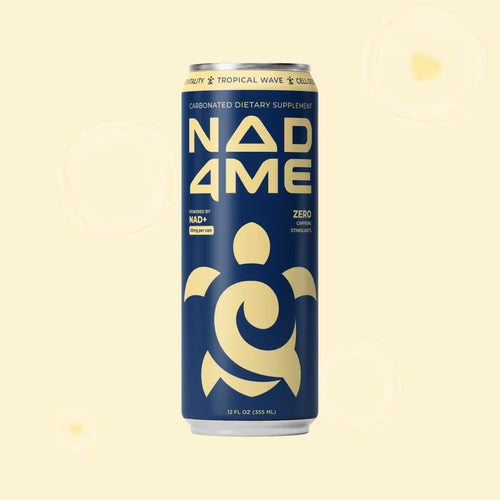
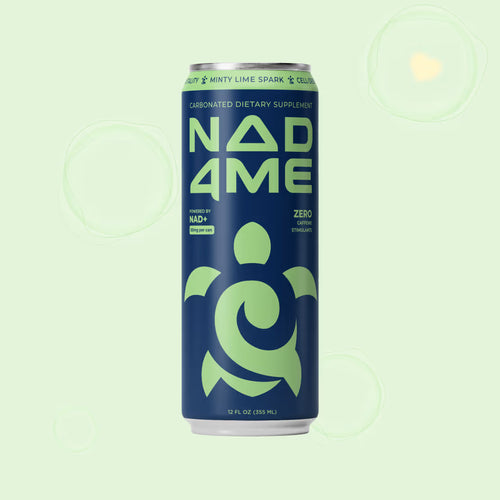
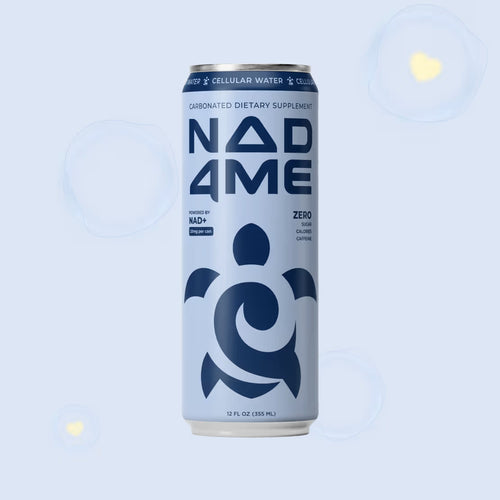
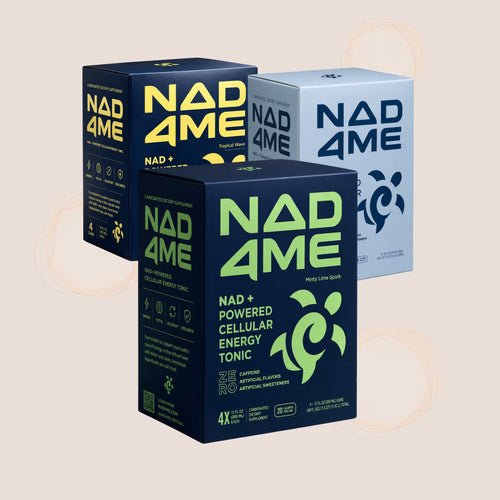
NAD4Me is the world's first cellular energy drink formulated around NAD+. It's one of the cleaner ways to add NAD+ support to a daily routine. The format delivers NAD+ in a bioavailable form. It's designed for daily use alongside any protein and nutrition strategy. Many consumers already optimize their protein intake but see results plateau, especially in their forties and beyond. For them, supporting NAD+ directly is often the missing variable.
The framing matters. NAD+ is not a replacement for protein. It's the cofactor that allows a protein to deliver its full benefit. The two work together. The consumer who understands that pairing tends to get more out of both.
Protein and NAD+ are not competing strategies — they are complementary ones. Protein delivers the building blocks. NAD+ powers the cellular machinery that uses it. Supporting both is how the modern, science-aware consumer gets the full benefit of either.
Frequently asked questions about protein benefits
How much protein do I actually need per day?
Current research suggests 1.2 to 1.6 grams of protein per kilogram of body weight. This applies to active adults focused on muscle maintenance, recovery, and metabolic health. For a 150-pound (68 kg) adult, that works out to roughly 80-110 grams per day. Distribute it across meals.
What is the best protein for women over 40?
Whey isolate offers the strongest profile for muscle protein synthesis. Its high leucine content is the reason. Plant-based blends combining pea and rice protein come close. Collagen peptides are excellent for skin and joints. But pair them with a complete protein to support muscle. EAA powders are a strong supplemental option.
Can you absorb more than 30 grams of protein at a time?
The "30-gram limit" is a common myth. Your body absorbs all the protein you eat. The real question is how much protein is required to trigger maximal muscle protein synthesis in a single sitting. Research suggests 25 to 40 grams optimizes the muscle-building response. Larger doses are still absorbed and used for other purposes.
Why does NAD+ matter for protein benefits?
Every step of protein utilization requires ATP. That includes amino acid breakdown and muscle protein synthesis. ATP is the energy currency that cells produce through NAD+-dependent pathways. When NAD+ is abundant, protein is processed efficiently. When NAD+ is low, the same protein delivers less.
Does protein work better with NAD+?
Yes. Protein provides the raw materials your cells use to build muscle, repair tissue, and produce energy. NAD+ powers the cellular machinery that uses those materials. The two work together as a partnership. Supporting both produces better results than supporting either alone.