The Best Energy Drinks That Aren’t Trying to Wire You Up
A new category of drink has quietly emerged for people who want energy without the performance. Here’s what’s worth your attention — and why the distinction matters.
The energy drink has had an image problem for a while now.
Not commercially — the category generates over eighty billion dollars a year globally and shows no sign of slowing. But among the demographic that has driven the growth of premium water, functional beverages, and adaptogenic everything, the classic energy drink — lurid, loud, built on caffeine and sugar — has started to feel like a relic.
The people who used to reach for it are now asking a different question: not “how do I feel more wired?” but “how do I feel more alive?”
What follows is an honest look at the options that have emerged for people in that second camp. We’ve organized them by what they’re actually doing inside the body, because that’s the only framing that matters.
First: what ‘caffeine-free energy’ actually means
A caveat worth stating upfront: energy, in the biological sense, is produced by your cells. It’s not something you drink. What beverages can do is provide substrates — raw materials and cofactors — that your cellular energy machinery uses to produce ATP more efficiently, or stimulants that create the sensation of alertness by blocking fatigue signals.
Most of the drinks below are doing the former. A few are doing the latter with better ingredients than the traditional category. Understanding which is which helps you choose for the right reason.
There’s a meaningful difference between a drink that makes you feel energetic and a drink that supports your body’s ability to produce energy. The market is finally starting to offer both.
The options worth knowing
Coconut water
Nature’s sports drink

Photo by sentidos humanos on Unsplash
What it offers: Genuine electrolyte content — potassium, magnesium, sodium — that supports hydration and cellular function. Lower in sugar than traditional sports drinks. Accessible and well-researched.
Worth knowing: The energy benefits are real but limited to correcting hydration. If you’re already well-hydrated, the effect is modest. Calorie content varies significantly by brand.
Verdict: Solid baseline choice for hydration. Not a meaningful energy solution on its own.
Electrolyte and mineral waters
Hydration elevated
 Photo by Ivan Rohovchenko on Unsplash
What it offers: Premium mineral waters and electrolyte-enhanced products address one of the most underestimated causes of low energy: chronic mild dehydration. Even a 1-2% deficit in hydration measurably reduces cognitive performance.
Worth knowing: The benefits are real and often significant for people who don’t drink enough water. But they’re correction benefits — bringing you back to baseline, not raising it.
Verdict: Underrated for people who are genuinely under-hydrated. Most people are.
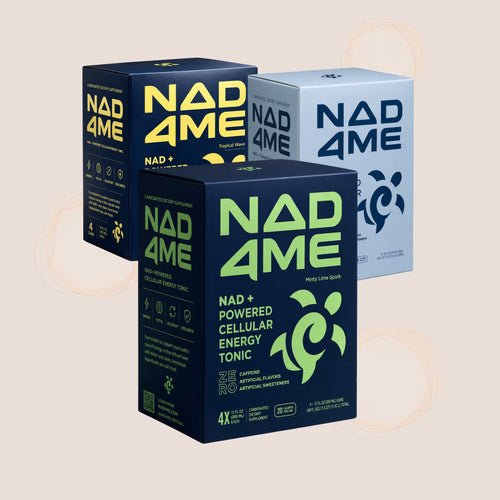
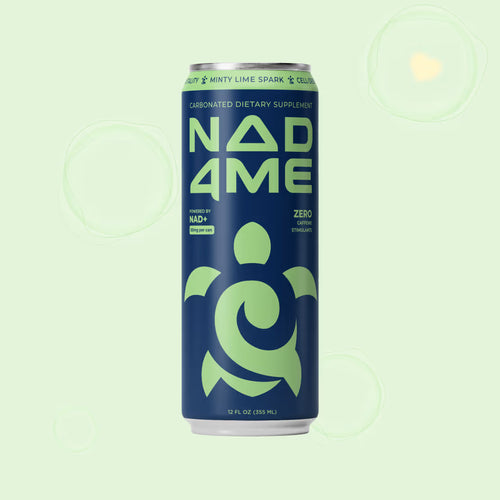
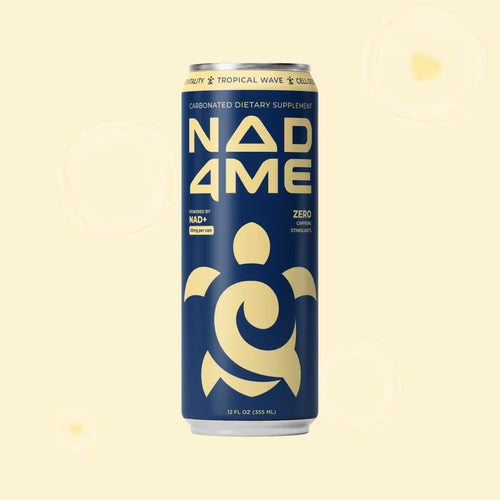
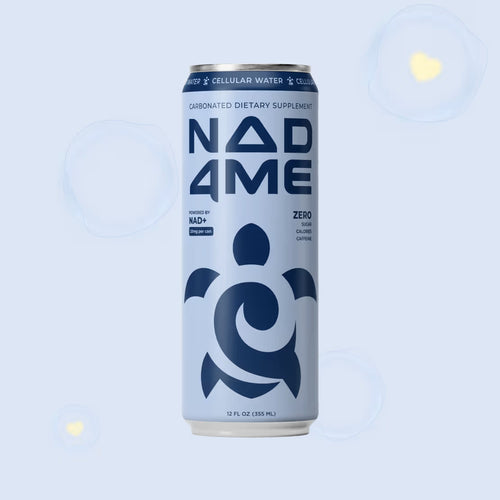
NAD4Me cellular energy drinks
Energy at the source

What it offers: Built around stabilized NAD+ (the coenzyme at the center of cellular energy production) delivered via nanocapsulation technology. Zero caffeine. Zero stimulants. Supporting ingredients include ergothioneine, trigonelline, L-tryptophan, inositol, and essential B vitamins, each selected for its cellular functions.
Worth knowing: The category is new, and the long-term body of human evidence is still building, as it is for most NAD+ delivery formats. The science behind NAD+ itself is robust and decades old — the beverage delivery mechanism is the newer development.
Verdict: The most scientifically ambitious option in this roundup. For people 35+ experiencing the cumulative effects of NAD+ decline, it’s addressing a different problem than everything else on this list.
How to choose
The right answer depends on what you’re actually trying to solve.
If you’re under-hydrated, electrolytes and good water will do more for your energy than anything else. If you want to reduce caffeine dependency without losing morning function, green tea or matcha is a logical bridge. If stress is draining your energy, adaptogens are worth exploring.
If you’re in your late 30s or beyond, sleeping reasonably well, managing stress adequately, and still finding that your energy is lower and less reliable than it used to be — that’s a different conversation.
That’s not a hydration problem or a stress problem. That’s a cellular energy problem. NAD4Me drinks address cellular energy directly and are the ones worth paying attention to.
The beverage industry has spent decades selling alertness. A smaller, newer, more interesting part of it is starting to sell something more ambitious: the conditions for your body to make its own.