Healthy Aging Energy Support That Lasts
Healthy aging energy support starts at the cellular level. Learn how to build steadier energy, focus, and vitality without relying on caffeine.
You can usually tell when your energy strategy is working against you. Mornings need more effort, afternoons get foggy, and the fix is often another coffee, a sugary drink, or pure willpower. Healthy aging energy support asks a better question: what if feeling steady, clear, and capable had less to do with stimulation and more to do with how well your cells are supported every day?
That shift matters because the goal is not to feel artificially revved up for two hours. It is to protect the kind of energy that helps you think clearly at 10 a.m., stay productive at 3 p.m., and still feel like yourself in the evening. For people who care about healthspan, recovery, and sustainable routines, that difference is everything.
What healthy aging energy support really means
There is a reason the usual energy playbook starts to feel outdated. Caffeine can be useful, and for some people it works well in moderation. But when energy support depends on repeated stimulation, the trade-off often shows up as jitters, disrupted sleep, irritability, or the familiar crash that makes tomorrow harder.
Healthy aging energy support is a more stable approach. Instead of asking the body to push harder, it focuses on supporting the systems that help produce energy in the first place. That includes mitochondrial function, nutrient status, stress resilience, hydration, sleep quality, and the daily habits that influence how energized you actually feel.
Aging does not mean low energy is inevitable. It does mean your routine has to work with your biology, not against it. The same choices that support vitality now often support better resilience later. That is why the conversation around energy has started to move from fast stimulation to cellular wellness.
Why cellular energy matters more than another pick-me-up
When people talk about energy, they often mean alertness. But alertness and energy are not the same thing. You can feel temporarily wired and still be running on a fragile system underneath. Real vitality feels different. It is smoother, more even, and less dependent on emergency fixes.
Cellular energy is the foundation of that feeling. Your cells are constantly doing the work that powers movement, focus, recovery, and everyday function. As life gets busier and sleep, nutrition, stress, and environmental load start to stack up, that foundation can feel less reliable.
This is where science-forward wellness has become more interesting than the old performance model. Ingredients associated with cellular support are gaining attention because they fit a different goal. Not bigger spikes. Better baseline energy. Not burnout disguised as productivity. More capacity, with fewer sharp edges.
That is also why caffeine-free energy support has become more appealing to health-conscious adults. If your nervous system already feels overstimulated, adding more stimulation is not always the smartest move. Sometimes the better play is support that feels cleaner and more sustainable.
Healthy aging energy support starts with your daily inputs
The strongest energy routine is rarely built on one product or one habit. It is built on inputs that reinforce each other. Sleep is still the anchor. If sleep quality is poor, almost everything else becomes compensatory.
Blood sugar stability comes next. A breakfast that leaves you hungry an hour later, or a lunch built around refined carbs with little protein, can create the exact rise-and-drop pattern many people mistake for an energy deficiency. Often it is a rhythm problem, not just a motivation problem.
Movement matters too, but the dose matters. A hard workout on low recovery can make you feel more drained, not more energized. On the other hand, walking, strength training, mobility work, and consistent conditioning can improve energy perception over time because they support metabolic health and resilience.
Then there is stress. Mental overload is one of the most underestimated energy drains in modern life. Even if you are eating well and exercising, a nervous system that never gets a break can make you feel depleted in a way that no stimulant really fixes. Healthy aging energy support has to include moments that downshift the system, not just moments that demand more from it.
The role of NAD+ and nutrient support
If you are wellness-literate, you have probably seen more conversation around NAD+ in the context of energy and healthy aging. The reason is simple: it is tied to core cellular processes involved in energy metabolism. That makes it relevant for people who want support that aligns with how the body actually creates and manages energy, not just how it reacts to stimulants.
The bigger point is not that one molecule does everything. It is that cellular energy is a systems conversation. Nutrients and compounds such as B-vitamins, L-tryptophan, trigonelline, ergothioneine, and inositol are often discussed because they complement broader wellness goals around energy production, focus, and recovery support.
What matters most is formulation quality and intent. A functional beverage built around cellular support is different from a neon energy drink built around caffeine and sugar. One aims to create a temporary jolt. The other is designed to fit into a daily vitality ritual with a steadier feel.
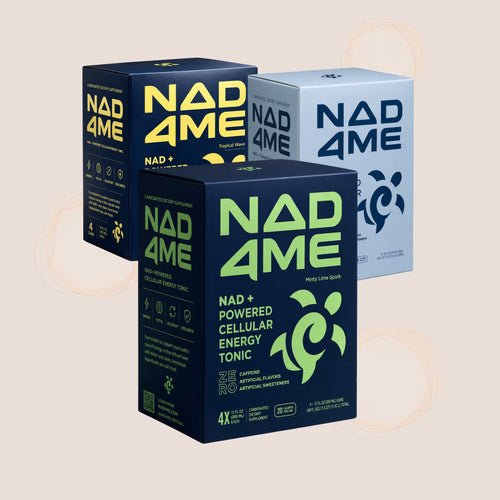
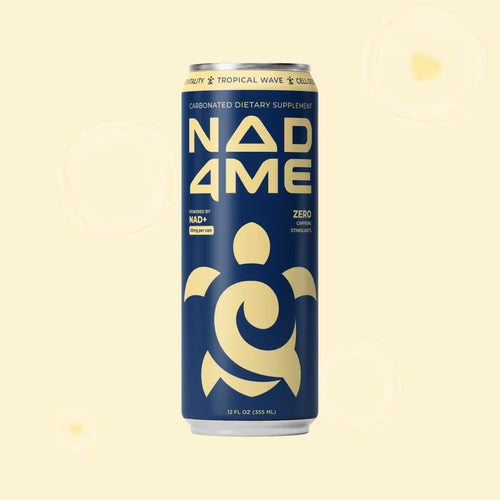
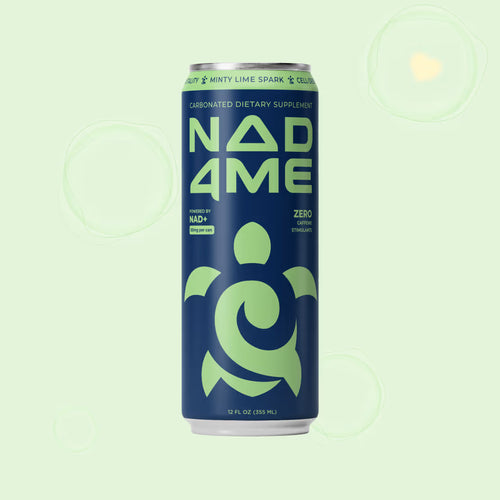
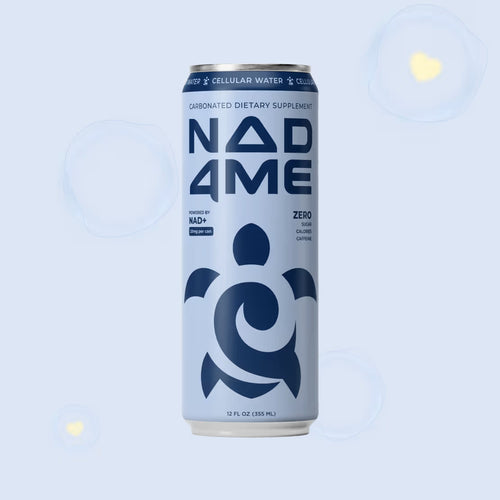
That distinction is part of why brands like NAD&ME resonate with people who are done chasing energy in extremes. The appeal is not just no caffeine. It is a more modern idea of energy - one rooted in support, clarity, and consistency.
What to look for in a better energy routine
The best routine is one you can sustain without feeling like you are constantly correcting for side effects. If your current system gives you a strong morning but steals your afternoon, it needs work. If it sharpens focus but wrecks sleep, it is too expensive.
A better setup usually has a few qualities in common. It feels even rather than intense. It supports clear thinking without making you edgy. It fits alongside meals, work, training, and recovery instead of fighting them. And it respects a basic truth: if you want energy tomorrow, you cannot keep borrowing it from tonight.
This is also where personalization matters. Some people do well with a small amount of caffeine and no late-day use. Others sleep better and feel more balanced when they step away from stimulants almost entirely. The right answer depends on your stress load, sleep quality, sensitivity, and what kind of energy you are actually trying to create.
If your goal is healthy aging, the standard should be higher than short-term output. You want energy support that helps you stay present, capable, and steady through real life. Meetings, workouts, parenting, travel, recovery, and ordinary weekdays all count.
How to build healthy aging energy support into real life
Start with one honest audit. Notice when your energy drops, what you usually reach for, and how that choice affects the next few hours. Most people spot a pattern quickly. The fix is not perfection. It is replacing reactive habits with supportive ones.
A practical starting point could be a protein-forward breakfast, more hydration early in the day, outdoor light within the first hour of waking, and fewer high-sugar quick fixes. From there, add movement that improves energy instead of draining it, and build an evening routine that gives sleep a real chance.
If you use a functional beverage, make sure it matches the outcome you want. If you want steadier energy, choose support that aligns with steadier energy. If you want focus without the wired feeling, avoid products that rely on loading up stimulants and hoping for the best.
This is where ritual helps. A daily energy practice tends to work better than random interventions. The body responds well to consistency. So does the mind. When your habits become more predictable, your energy often does too.
The future of energy is calmer, cleaner, and smarter
The old energy category trained people to expect intensity first and consequences later. That model is losing its appeal, especially among adults who care about wellness, performance, and how they feel across a full day, not just a single moment.
A smarter approach respects biology. It sees energy as something to support, not force. It values mental clarity, recovery, and stable vitality as much as raw stimulation. And it understands that healthy aging is not about chasing youth. It is about keeping more of your capacity, more consistently, for longer stretches of real life.
You do not need your energy routine to be dramatic. You need it to be dependable. That is often where vitality starts to come back - not in a spike, but in the quiet relief of feeling steady again.