Functional Soda Versus Energy Drinks: What Wins?
Functional soda versus energy drinks: compare caffeine, sugar, ingredients, and the kind of daily energy that supports your routine without the crash.
The 3 p.m. slump has trained people to reach for whatever promises the fastest lift. But functional soda versus energy drinks is not simply a choice between two cans. It is a choice between a quick stimulant hit and a more intentional approach to how you want to feel through the rest of your day.
For health-conscious adults, the question is becoming less about getting the biggest possible buzz and more about protecting focus, sleep, recovery, and tomorrow morning’s energy. That shift is changing the beverage aisle - and raising the bar for what an “energy” drink should actually deliver.
Functional Soda Versus Energy Drinks: The Core Difference
Traditional energy drinks are built around stimulation. Caffeine is usually the main event, often paired with sugar or sweeteners, flavor systems, and familiar add-ons such as B-vitamins or taurine. The experience can be immediate: a faster heartbeat, heightened alertness, and a noticeable push to power through a workout, deadline, or long drive.
Functional soda is a broader category. It often looks and tastes like a soft drink but includes ingredients positioned around a functional benefit, such as prebiotic fiber, adaptogens, botanicals, vitamins, or nootropics. Many functional sodas contain little or no caffeine. Some are designed for digestion or relaxation rather than energy at all.
That distinction matters. A functional soda is not automatically an energy drink, and an energy drink is not automatically functional in a meaningful wellness sense. The label may use the same language - clean, natural, better-for-you - while the formula creates a completely different experience.
A better question is: what is powering the effect? If the answer is 200 milligrams of caffeine, it belongs in a different conversation than a beverage designed to support daily vitality without stimulants.
The Energy Trade-Off: Immediate Lift or Steadier Support?
Caffeine has a place. Coffee before an early meeting, tea during a long afternoon, or an occasional energy drink before a demanding event can fit into a balanced lifestyle for many people. It is familiar, effective, and fast.
The trade-off is that caffeine does not create cellular energy. It primarily changes how your body perceives fatigue by interacting with adenosine signaling. That can feel useful in the moment, but it may also come with jitters, a racing feeling, digestive discomfort, or a late-day energy drop for people who are sensitive to stimulants.
Timing is part of the equation, too. A drink consumed to rescue an exhausted afternoon can stay in your system long enough to interfere with winding down at night. Then the next morning starts with less-than-ideal sleep and another need for stimulation. For some people, that cycle becomes routine rather than occasional.
Functional energy beverages take a different route. Rather than making caffeine the engine, they may focus on nutrients and compounds associated with metabolism, mental performance, and cellular function. The goal is not necessarily a dramatic jolt. It is a more natural-feeling sense of energy that fits meetings, errands, training, and the hours after work without asking your nervous system to sprint.
That is why “no crash” should be more than marketing shorthand. A lower-drama energy experience can be especially valuable when you care about staying present in the evening, maintaining a consistent sleep routine, or avoiding the wired-but-tired feeling that follows a caffeine-heavy day.
Sugar, Sweeteners, and the Rest of the Formula
Sugar is another major dividing line. Many legacy energy drinks built their reputation on the combination of caffeine and a significant dose of sugar. The result can taste great and provide fast fuel, but it is rarely aligned with a daily wellness ritual.
Zero-sugar energy drinks have changed that equation, but removing sugar does not automatically change the stimulant load. A can can be low-calorie and still contain enough caffeine to make a sensitive person feel unsettled. It can also still rely on a long list of ingredients that do little beyond creating a high-intensity sensory experience.
Functional sodas often lead with lower sugar, simpler positioning, and ingredients consumers recognize from the wellness space. That can be an upgrade from conventional soda. Still, it pays to look beyond the front of the can. Check the serving size, grams of added sugar, caffeine amount, type of sweetener, and the actual purpose of each functional ingredient.
A formula earns a place in your routine when it makes sense for your routine. If you want something refreshing with lunch, a prebiotic soda may be a great fit. If you need a bold wake-up effect before a sunrise workout, caffeine may be your preference. If you want sustained daily energy without stimulant dependence, seek a beverage designed around cellular support rather than a louder jolt.
What to Look for in a Caffeine-Free Energy Option
The most useful category is not necessarily functional soda or energy drink. It is the beverage that matches your goal. For people moving away from caffeine, that usually means looking for clear, intentional formulation instead of vague promises of “natural energy.”
Start with transparency. You should be able to see what is in the can and understand why it is there. Functional ingredients should not be hidden behind a proprietary blend that makes it impossible to assess what you are actually consuming.
Next, look at the energy mechanism. NAD+ is a naturally occurring coenzyme involved in cellular energy production. A beverage built with stabilized NAD+ and complementary ingredients such as trigonelline, ergothioneine, inositol, L-tryptophan, and essential B-vitamins reflects a different philosophy from simply adding more caffeine. It is designed to support the systems behind everyday energy, not just turn up the volume on alertness.
Finally, consider how it fits the rest of your day. Can you enjoy it in the afternoon without second-guessing your sleep? Does it support a calm, focused work block rather than a spike-and-crash pattern? Does it feel like a ritual you can repeat, rather than an emergency measure when your battery is already flashing red?
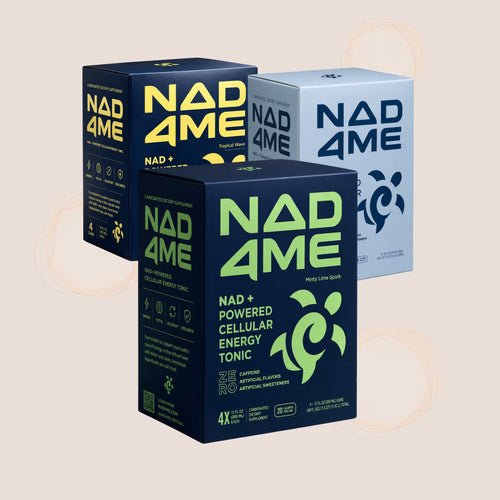
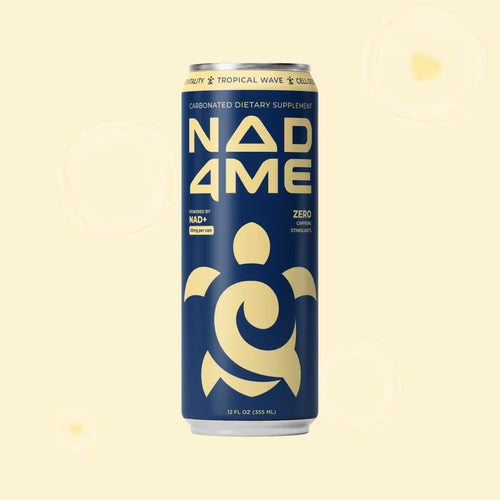
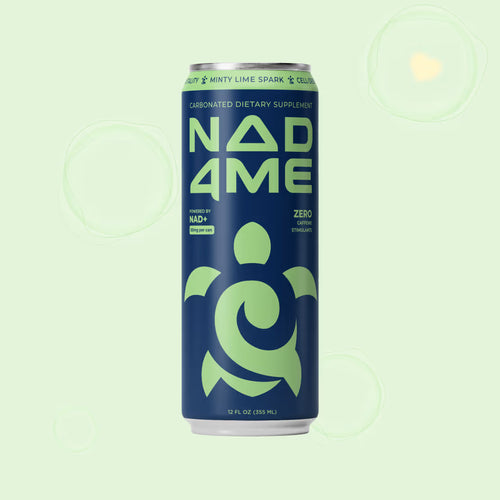
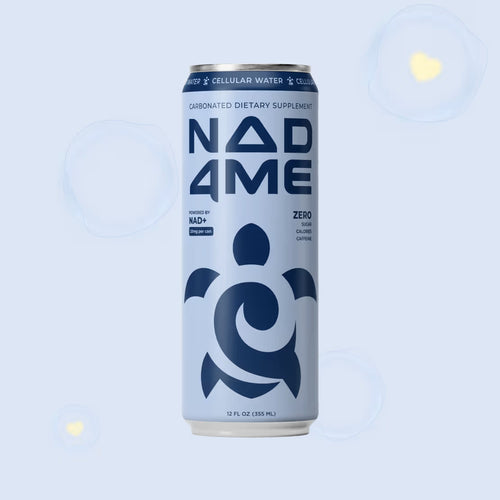
NAD4Me was created for that space: a zero-caffeine cellular wellness drink for people who want to reclaim vitality without relying on stimulants or sugar-heavy energy products.
When an Energy Drink May Still Make Sense
There is no need to pretend every caffeine drink is a bad decision. Context matters. An athlete who already tolerates caffeine well may use it strategically before an intense event. A traveler crossing time zones may choose a caffeinated option on a day when alertness matters more than their usual routine. Someone who simply enjoys coffee can continue enjoying coffee.
The key is to separate intentional use from automatic use. If an energy drink is an occasional performance tool, its trade-offs may be worthwhile. If it has become the only way to feel awake, focused, or productive every day, that is useful information. Your routine may be asking for better sleep, more consistent meals, recovery time, hydration, movement, or a less stimulant-dependent source of support.
Functional soda also has limits. A fizzy prebiotic drink can be a smart alternative to a regular soda, but it may not address low energy. High amounts of certain fibers may not agree with every digestive system. And “functional” on the package should never replace the basics that make energy sustainable.
Build an Energy Ritual That Holds Up After 4 p.m.
The future of energy does not have to be louder, sweeter, or more caffeinated. It can be more considered. Start by noticing what your current drink delivers after the first 30 minutes, not just in the first five. Pay attention to your mood, concentration, appetite, sleep, and whether you feel like you need another can tomorrow.
Choose stimulation when you genuinely want stimulation. Choose a functional soda when you want a better soft drink. And when what you want is steady, clear daily vitality without caffeine, choose ingredients that respect the pace you want to keep. The best energy ritual is the one that helps you show up now without borrowing too heavily from later.