Top Functional Ingredients for Focus That Lasts
Explore top functional ingredients for focus, from NAD+ and B vitamins to L-theanine, and build clearer energy without a caffeine crash with no jitters.
The best focus does not feel like being wired. It feels like opening your laptop at 2:30 p.m. and still knowing exactly what needs to happen next. That is why the conversation around the top functional ingredients for focus is shifting away from bigger stimulant doses and toward ingredients that support steady cellular energy, mental composure, and daily resilience.
Caffeine can have a place, but it is not the only route to a productive day. For people who are tired of the jitter-crash cycle, the smarter question is not, “What will hit hardest?” It is, “What supports clear, usable energy that fits the rest of my life?”
What Focus Actually Needs
Focus is not one switch in the brain. It is the result of several systems working together: stable energy availability, well-managed stress, hydration, quality sleep, nutrient status, and the ability to stay present when distractions compete for attention.
That means no single ingredient can replace a short night, an under-fueled day, or a calendar packed beyond reason. But a thoughtful functional formula can support the conditions that make focused work feel more natural. The strongest options are not always the loudest ones. They tend to work with your biology rather than forcing a temporary surge.
Top Functional Ingredients for Focus Without the Crash
NAD+: a cellular-energy foundation
NAD+ is a coenzyme found naturally throughout the body and involved in cellular processes related to energy metabolism. Put simply, it helps cells carry out the work required to turn the food you eat into usable energy. That matters when your goal is sustained mental output, not a brief burst of urgency.
NAD+ is not a stimulant. You should not expect the immediate jolt associated with a double espresso. Its appeal is different: it belongs in a broader cellular wellness approach designed around feeling consistently capable through demanding days.
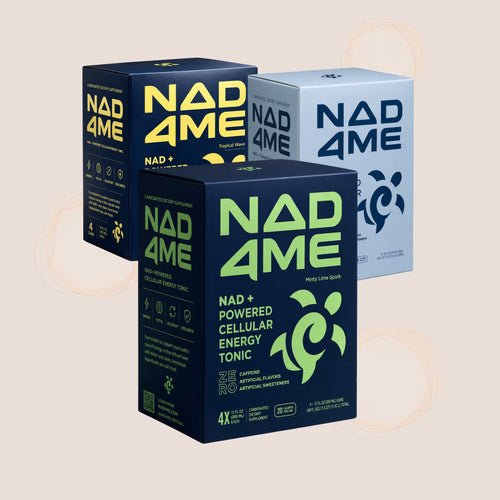
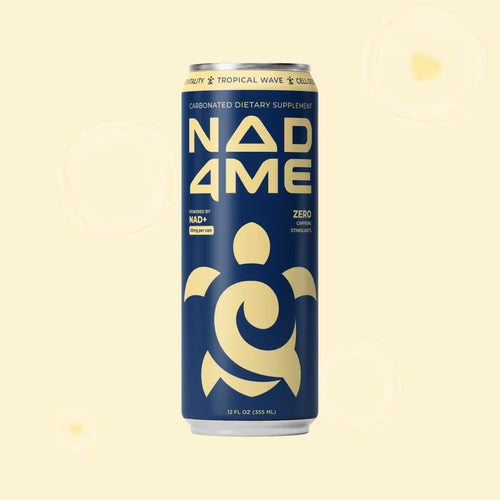
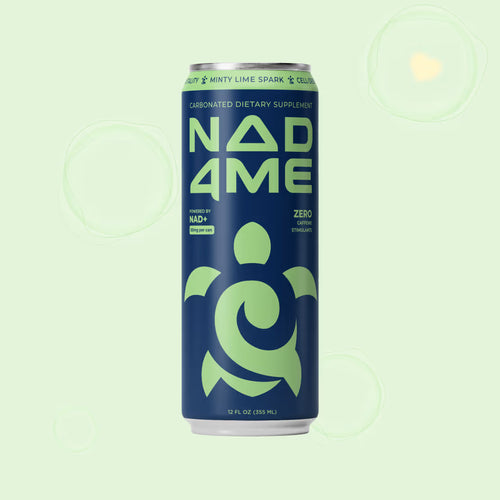
For wellness-minded professionals, athletes, and anyone building a more intentional routine, NAD+ represents a meaningful shift in the energy conversation. Instead of asking your nervous system to go faster, you can prioritize the biology behind daily vitality. NAD&ME uses stabilized NAD+ as the center of its caffeine-free cellular wellness drink, paired with complementary ingredients selected for everyday energy and clarity.
B vitamins: essential support for everyday energy
B vitamins are often described as energy vitamins, but the detail matters. They do not create energy out of nowhere. Rather, several B vitamins help the body process carbohydrates, fats, and proteins and support normal nervous system function.
B12, B6, thiamin, riboflavin, niacin, folate, biotin, and pantothenic acid each play distinct roles. When your intake is low, feeling less than sharp can be one signal among many. When intake is already adequate, more is not automatically better.
That is why B vitamins make the most sense as part of a complete formulation and a nutrient-aware lifestyle, not as a reason to reach for extreme doses. Their role is foundational: helping support the metabolic machinery behind a full day of thinking, moving, and recovering.
L-theanine: calmer concentration
L-theanine is an amino acid most associated with tea. It has become a favorite in focus formulations because it is valued for promoting a calm, attentive state rather than a high-alert, tense one.
It is especially relevant for people whose biggest focus obstacle is mental noise. If your mind feels busy before your work even begins, an ingredient that supports composure may be more useful than another aggressive energizer. L-theanine is commonly paired with caffeine, but it can also fit a caffeine-free approach for people who want a steadier mood and clearer head without adding stimulation.
The trade-off is that calm focus can feel subtle. It may not register as a dramatic “kick,” which is precisely why it works well for those seeking less friction and fewer jitters in their routine.
Trigonelline: an emerging metabolic ingredient
Trigonelline is a naturally occurring compound found in foods such as coffee, fenugreek, and certain legumes. It is gaining attention in wellness research for its relationship to metabolic pathways and cellular function.
This is an ingredient to approach with curiosity, not hype. The science around trigonelline is still developing, and it should not be positioned as an instant concentration hack. Its value in a modern functional formula is its potential to complement a cellular-energy-first philosophy rather than mimic the feel of caffeine.
For consumers who read labels closely, trigonelline is a signal that a product is looking beyond familiar stimulants. It reflects an interest in the deeper systems that shape how energized and capable you feel across a day.
Ergothioneine: support for the long game
Ergothioneine is an amino acid antioxidant found in foods including mushrooms. It has drawn scientific interest because of how it is transported into tissues and its role in helping cells manage everyday oxidative stress.
Focus is often framed as a brain-only issue, but the reality is more connected. A body under constant pressure does not always feel mentally available. Ingredients that support cellular protection and recovery can have a place in a daily vitality ritual, even if they are not intended to create an acute, noticeable boost.
Ergothioneine is a long-game ingredient. It is best understood as a thoughtful addition to a well-rounded formula, particularly for people who care about energy today and how their routine supports their future selves.
Inositol: support for signaling and balance
Inositol is a naturally occurring carbohydrate-like compound involved in cellular signaling. It is present in many foods and is often included in wellness formulas focused on balance, mood, and metabolic support.
Its relationship to focus is not about forcing attention. Instead, inositol can complement an overall formula aimed at helping you feel more centered and less scattered. That distinction matters. Some days, what looks like poor focus is really overstimulation, inadequate recovery, or a nervous system that has been running too hot for too long.
A calm, balanced foundation creates room for better decisions, better work, and a more sustainable relationship with ambition.
L-tryptophan: a thoughtful mood-supporting addition
L-tryptophan is an essential amino acid, meaning it must come from food or supplementation. It serves as a precursor in pathways involved in serotonin and melatonin production, making it more closely associated with mood and sleep rhythms than a direct productivity boost.
That does not make it irrelevant to focus. Better daytime focus is closely tied to how well you recover at night and how emotionally steady you feel during the day. Still, expectations should be realistic: L-tryptophan is not the right choice if you want an immediate, stimulant-like effect. Some people may also prefer to discuss its use with a qualified healthcare professional, particularly if they take medications that affect serotonin.
How to Choose a Focus Formula That Fits Your Day
The label should tell a coherent story. A formula built around caffeine, sugar, and a long list of trendy extracts may create a fast sensation, but that does not necessarily mean it supports sustained focus. Look for an approach that is transparent about what each ingredient is there to do.
Consider your personal friction point. If you feel sluggish in the morning, cellular-energy and nutrient support may be most relevant. If you feel mentally frantic, calming ingredients may be a better fit. If your afternoon disappears into brain fog, look at the whole picture: lunch quality, hydration, sleep consistency, screen habits, and whether your current energy drink is setting up a crash.
Dose, timing, and tolerance also matter. Even well-chosen ingredients are not universal. Start with the product directions, give your routine time to become consistent, and pay attention to how you feel over several days rather than judging every ingredient by the first hour.
Build Focus as a Daily Ritual
Functional ingredients work best when they support habits already worth keeping. Start the day with water and a real meal when you can. Protect sleep with the same seriousness you bring to your training plan. Take a short walk before the task that requires your best thinking. Then choose energy support that does not ask you to sacrifice your evening for your afternoon.
The future of energy has no caffeine requirement. A focused day can feel clear, calm, and fully yours - built one intentional choice at a time.