8 Best Low Sugar Energy Drinks for Clean Energy
Looking for the best low sugar energy drinks? Learn what to look for beyond caffeine and sugar, plus a smarter path to steady daily energy without crashes.
The best low sugar energy drinks do more than swap sugar for a different sweetener. They should fit the way you actually want to feel at 10 a.m., 3 p.m., and after dinner: alert enough to perform, clear enough to think, and not wired when it is time to wind down.
That is where the category gets complicated. A can with zero sugar can still deliver 200 to 300 milligrams of caffeine, a stimulant load that may work before a hard workout but feel like too much for a regular workday. Others trade sugar for a long ingredient panel with little explanation of what each ingredient is doing. The better choice depends on your caffeine tolerance, your routine, and whether you want a quick jolt or a more considered daily energy ritual.
What Makes a Low Sugar Energy Drink Worth Buying?
Start with the nutrition panel, not the front of the can. “Low sugar” is not a regulated promise that tells you everything. Some products have no added sugar but use sweeteners that do not agree with everyone. Others keep sugar modest but still contain enough caffeine to disrupt sleep if you drink them late in the day.
Caffeine deserves just as much attention as sugar. For a healthy adult who tolerates it well, a moderate dose may feel useful before training or a demanding morning. But more caffeine is not automatically better. It can also mean jitters, a racing feeling, an afternoon slump, or a night of lighter sleep that leaves you reaching for another can tomorrow.
Look at the full formulation, too. B vitamins are common, though they are not a substitute for food, hydration, or rest. Ingredients like electrolytes, tea extracts, nootropics, amino acids, and functional compounds each serve a different purpose. The right drink makes its purpose clear rather than hiding behind a generic “energy blend.”
Finally, consider the habit you are building. If you want an occasional pre-workout lift, a caffeinated product may make sense. If your goal is consistent daily vitality without stimulant dependence, caffeine-free options deserve a place in the conversation.
8 Best Low Sugar Energy Drinks to Consider
Formulas, serving sizes, and caffeine levels can change, so always check the current label before buying. These options stand out for people trying to move away from sugar-heavy energy drinks, but they are not interchangeable.
1. Celsius
Celsius is a familiar choice for active people who want zero sugar and a pronounced caffeine boost. Most varieties provide around 200 milligrams of caffeine, often from green tea extract plus added caffeine. That makes it a strong fit for a morning workout or a demanding day when you already know you tolerate caffeine well.
The trade-off is obvious: 200 milligrams is substantial. It is not the best pick for a late-afternoon slump, anyone sensitive to stimulants, or people trying to improve their sleep routine.
2. Alani Nu Energy
Alani Nu pairs zero sugar with bright, candy-inspired flavors and about 200 milligrams of caffeine in many cans. It has broad appeal for anyone who wants an energy drink that tastes more like a treat than a traditional functional beverage.
For caffeine users, it is convenient and approachable. For people looking to get off the stimulation-and-crash cycle, it may be more of the same in a cleaner-looking package.
3. Ghost Energy
Ghost Energy has a transparent-label reputation and typically includes zero sugar, around 200 milligrams of caffeine, and added ingredients marketed around focus and performance. Its bold flavors and pop-culture branding make it especially popular with gym-goers.
This is a practical choice if you want a high-stim, pre-training style beverage without sugar. It is less compelling when your definition of clean energy includes a calmer nervous system and no caffeine at all.
4. Red Bull Sugarfree
Red Bull Sugarfree offers a lower-caffeine route than many modern energy cans. A 12-ounce serving is commonly around 114 milligrams of caffeine, making it easier to fit into a day than a 200-milligram option.
It remains a stimulant-driven product, but the lower dose can be a better middle ground for someone who likes caffeine and wants more control over their intake. The flavor and artificial sweetener profile are personal preference factors here.
5. Monster Ultra
Monster Ultra is widely available, sugar-free, and generally provides about 150 milligrams of caffeine in a large 16-ounce can. The bigger format can feel satisfying when you want something cold and carbonated to sip at your desk or on the road.
That size is also worth noticing. A large can can make it easier to drink quickly without realizing how much caffeine you are taking in. If you choose it, be intentional about timing and avoid stacking it with coffee.
6. ZOA Zero Sugar
ZOA Zero Sugar is positioned around active lifestyles and often combines caffeine with B vitamins and electrolytes. With roughly 160 milligrams of caffeine in many varieties, it sits below the highest-stimulant cans while still delivering a noticeable lift.
It can be a sensible option before a workout or during a busy travel day. Still, electrolytes do not turn an energy drink into a replacement for water, and the caffeine question remains central.
7. Rockstar Pure Zero
Rockstar Pure Zero gives consumers another zero-sugar, high-caffeine option. Certain varieties contain up to 240 milligrams of caffeine per can, which may appeal to people accustomed to strong coffee or intense pre-workouts.
That same dose is why it will not be right for everyone. If you experience anxiousness, headaches, sleep disruption, or a hard energy drop after caffeinated drinks, a higher dose is unlikely to solve the underlying problem.
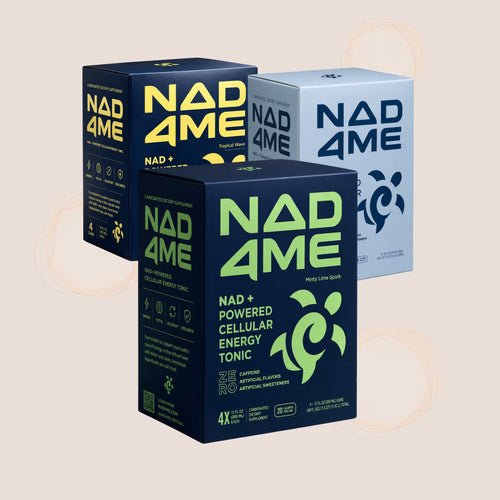
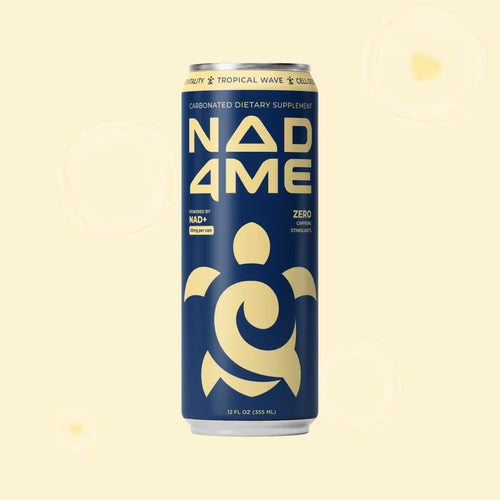
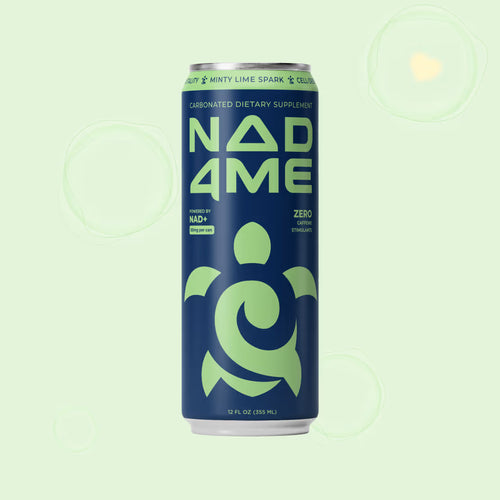
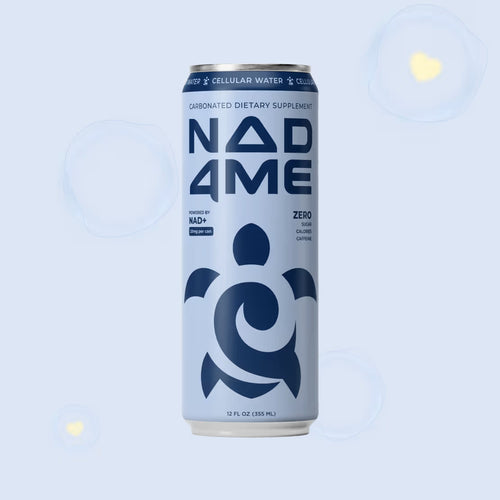
8. NAD4Me
NAD4Me takes a different position: zero caffeine, with stabilized NAD+ and supportive ingredients including L-tryptophan, trigonelline, ergothioneine, inositol, and essential B vitamins. Rather than relying on a stimulant to create a sharp peak, it is designed as a cellular wellness drink for people who want to support daily energy, clarity, and vitality without caffeine.
That makes it particularly relevant for professionals who cannot afford an afternoon crash, wellness-minded consumers reducing coffee, and anyone who wants their evening to feel as calm as their morning is productive. It is not a pre-workout replacement for someone specifically seeking a stimulant hit. It is a different philosophy of energy.
Low Sugar Is Only Half the Equation
Sugar can create a fast rise and a fast fall, especially when paired with caffeine. Reducing it is a meaningful first step. But a zero-sugar label does not guarantee sustained energy, because the experience still depends on caffeine dose, when you drink it, what you have eaten, how hydrated you are, and how much sleep you got the night before.
Think of energy drinks in three broad lanes. High-caffeine, zero-sugar drinks are built for intensity. Moderate-caffeine options can offer a more manageable lift. Caffeine-free functional drinks are for people who want to support their daily rhythm without adding another stimulant to it.
None of those lanes is universally best. A 6 a.m. training session and a 2 p.m. client presentation are different moments with different needs. The problem comes when a high-caffeine beverage becomes the default answer to every form of fatigue.
How to Choose the Right Can for Your Routine
If you already drink coffee, add up your total caffeine before opening an energy drink. Many people underestimate how quickly a latte, pre-workout, soda, and can of energy can stack up. Keep timing in mind, too. A beverage that feels harmless at noon may affect how easily you fall asleep later.
Pay attention to your personal response for a week. Do you feel focused, or merely stimulated? Do you stay steady through the afternoon, or are you searching for something sweet two hours later? Do you sleep well enough to wake up without needing to repeat the cycle?
The most useful energy drink is not necessarily the strongest one. It is the one that supports the life you want to lead after the can is empty: clear-headed, capable, and still able to rest. Choose the formula that helps you reclaim vitality without asking tomorrow’s energy to pay for today’s rush.