Electrolyte Drinks vs Energy Drinks Explained
Electrolyte drinks vs energy drinks serve different needs. Learn when hydration helps, when stimulants backfire, and what supports steady daily energy.
The 3 p.m. slump is not always a hydration problem. And it is not always a cue to reach for another caffeinated can. In the electrolyte drinks vs energy drinks conversation, the right choice depends on what your body is actually asking for: fluids and minerals, a short-term stimulant lift, or a more sustainable way to support daily energy.
These beverages can look similar on a store shelf. Bright cans, functional claims, convenient single servings. But they are built for very different moments. Knowing the distinction can help you hydrate with purpose, avoid the caffeine-crash cycle, and create an energy ritual that still feels good when the day is over.
Electrolyte Drinks vs Energy Drinks: The Core Difference
Electrolyte drinks are primarily hydration products. They typically contain minerals such as sodium, potassium, magnesium, and calcium, which help regulate fluid balance and support normal muscle and nerve function. Their role is straightforward: replace fluids and electrolytes lost through sweat, heat, illness, or extended physical activity.
Traditional energy drinks are primarily stimulant products. Most rely on caffeine, often paired with sugar, B-vitamins, amino acids, botanical extracts, or other performance-oriented ingredients. Their job is to make you feel more awake, quickly. That can be useful in a pinch, but it does not necessarily mean your hydration needs or underlying energy habits have been addressed.
The distinction matters because fatigue is not one single experience. A long run in humid weather, a poor night of sleep, and an overloaded workday may all leave you depleted, but each has a different root cause. Choosing a drink based on the moment can make a meaningful difference in how you feel afterward.
When an Electrolyte Drink Makes Sense
Electrolytes are especially useful when you have lost more fluid and sodium than normal. Think hard training sessions, long outdoor days, travel in hot weather, sauna use, or a physically demanding job. In those situations, plain water may not be the full answer, particularly if you are sweating heavily for an extended period.
Sodium is often the electrolyte that gets the most attention for good reason. It helps the body retain fluid and can support rehydration after substantial sweat loss. Potassium, magnesium, and calcium also play roles in normal muscle function and fluid regulation.
That said, not every workout requires a sports drink. For a short walk, a standard gym session, or a typical desk-day, water and balanced meals are often enough. Many electrolyte drinks also contain more sugar or sodium than some people need for casual use. The best hydration strategy is not the most aggressively marketed one. It is the one that fits your activity level, climate, and overall diet.
If you choose an electrolyte drink, look beyond the word “hydration.” Check the sodium level, sugar content, serving size, and whether the formula fits your actual sweat loss. A sweet drink can be enjoyable, but it should not be mistaken for a universal answer to low energy.
What Traditional Energy Drinks Actually Do
Caffeine works by blocking adenosine, a brain chemical associated with sleep pressure. That is why it can create a noticeable lift in alertness, focus, and perceived energy. For many adults, moderate caffeine intake can fit into a healthy routine. The issue is less about caffeine being inherently bad and more about how, when, and why it is used.
A high-caffeine energy drink can be tempting when your inbox is full, your sleep was short, or your training schedule is packed. But the feeling of being more energized can sometimes be stimulation layered on top of exhaustion. If that pattern repeats, it may push bedtime later, disrupt sleep quality for sensitive people, and make the next day’s caffeine feel even more necessary.
Sugar can complicate the experience. Some conventional energy drinks combine a substantial dose of caffeine with a high amount of added sugar, creating a fast, intense-feeling boost. Others use zero-calorie sweeteners and skip the sugar entirely. Neither option automatically determines whether a product is right for you, but the label tells you what kind of experience the drink is designed to deliver.
Caffeine sensitivity also varies widely. One person can drink coffee after dinner and sleep soundly. Another may feel jittery, anxious, or wired from a mid-afternoon can. If your energy drink leaves you with a racing mind, an unsettled stomach, or a harder time winding down, that is useful feedback, not a personal failure.
Hydration Is Not the Same as Energy
This is where a lot of beverage marketing gets blurry. Hydration can help you feel better when dehydration is contributing to fatigue, headaches, or sluggishness. But electrolytes do not function like a stimulant. They are not designed to produce a sudden mental surge during a late-night deadline.
Likewise, caffeine can make you feel switched on without correcting dehydration. If you have spent the day under-hydrated, adding a stimulant may mask the signal temporarily while leaving the foundational need untouched.
Then there is cellular energy, which is a separate conversation. Every cell uses energy to perform its normal work, and that process depends on a network of nutrients, metabolic pathways, rest, movement, and daily habits. A beverage cannot replace sleep, nourishing meals, or recovery. But a thoughtfully formulated, caffeine-free functional drink can be part of a ritual built around steadier vitality rather than another spike-and-crash cycle.
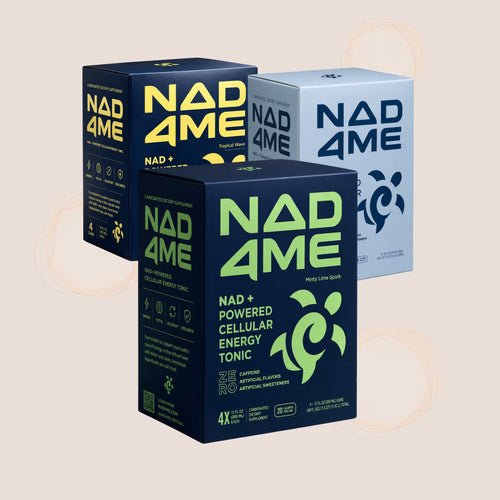
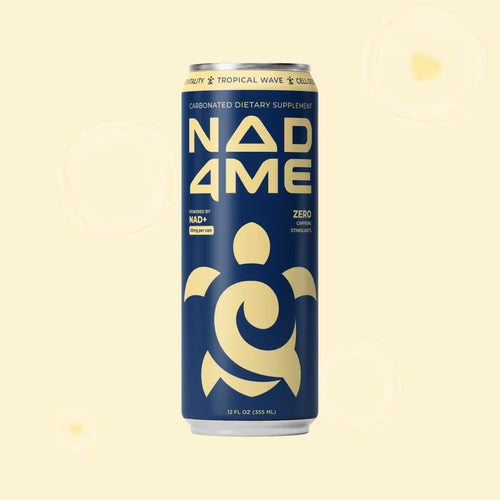
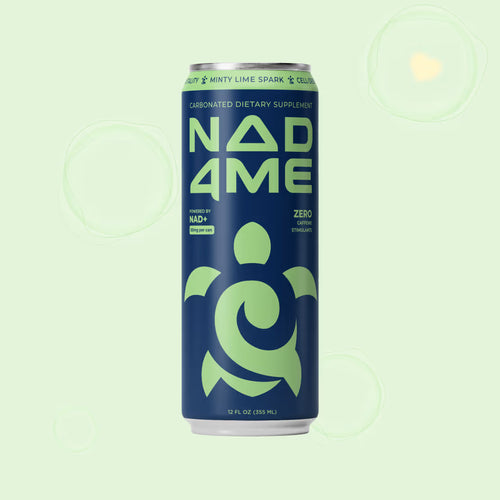
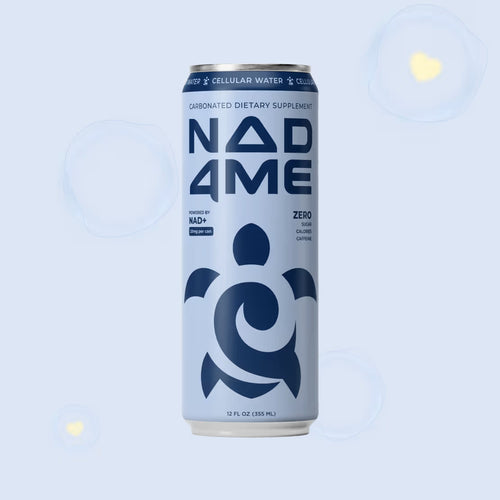
NAD&ME takes that approach with NAD4Me, a cellular wellness drink formulated with stabilized NAD+ and supportive ingredients including L-tryptophan, trigonelline, ergothioneine, inositol, and essential B-vitamins. It is designed for people who want an energizing daily ritual without leaning on caffeine or sugar-heavy formulas.
Choose the Drink for the Moment
The most useful question is not, “Which drink is healthier?” It is, “What do I need right now?”
After a sweaty summer run or several hours working outside, an electrolyte drink may be the most practical choice. You are replacing what you lost. During a morning when you need a familiar boost and know caffeine agrees with you, coffee or a lower-caffeine energy option may be a reasonable fit.
But if you are repeatedly reaching for stimulants to power through brain fog, low motivation, and evening burnout, it may be time to zoom out. Look at your sleep consistency, hydration habits, meal timing, movement, stress load, and caffeine cutoff. A better daily energy plan usually starts there.
For many people, the strongest routine combines rather than confuses these categories. Water and electrolytes for true hydration needs. Caffeine used intentionally, not automatically. And a stimulant-free wellness ritual for the days when you want to feel clear, capable, and present without borrowing energy from later.
What to Look for on the Label
A quick label check can prevent a lot of guesswork. With electrolyte drinks, consider whether the mineral profile matches your activity. If you are drinking it after a light workout, you may not need a high-sodium formula or a large serving of added sugar.
With energy drinks, start with caffeine per can, not just caffeine per serving. Some containers hold more than one serving, and amounts can add up quickly alongside coffee, tea, pre-workout, or soda. Also notice whether the product relies on a large sugar dose, proprietary blends that do not disclose amounts, or ingredients you know do not work well for you.
For a caffeine-free functional beverage, look for a clear purpose and transparent ingredients. The goal is not to chase the loudest promise on the shelf. It is to find a formula that complements the way you want to feel throughout your whole day - including after the can is empty.
The Better Energy Question
Electrolyte drinks and energy drinks are not enemies. They simply solve different problems. Hydration products can be valuable when sweat and fluid loss are the issue. Caffeinated products can offer a temporary alertness boost when used thoughtfully. Neither should have to carry the full weight of a demanding life.
The future of energy does not have to mean more stimulation. It can mean building a routine that respects hydration, recovery, focus, and the natural rhythm of your day. Choose the drink that matches the moment, then give your body the kind of support that helps you show up with energy left for the life you want to live.