How to Avoid Afternoon Brain Fog
Learn how to avoid afternoon brain fog with smarter meals, better hydration, light movement, and stimulant-free energy habits that last.
2:17 p.m. Your inbox is still full, your focus is gone, and suddenly even simple tasks feel heavier than they should. If you’ve been searching for how to avoid afternoon brain fog, the fix usually is not more coffee. More often, it’s about what happened earlier in the day - and what your brain and body are missing by midafternoon.
That sluggish, cloudy feeling is rarely random. It tends to show up when your energy routine leans too hard on quick fixes, skimps on recovery, or ignores the basics that support steady mental clarity. The good news is that afternoon brain fog is often highly responsive to a few practical changes.
Why afternoon brain fog happens in the first place
Brain fog is a broad term, but most people know it when they feel it: slower thinking, lower motivation, poor concentration, and that flat, drained feeling that makes the second half of the day harder than it should be. For many adults, the afternoon slump is tied to unstable energy patterns.
A blood sugar spike at lunch can leave you dragging an hour later. Too little protein in the morning can set you up for cravings and mental drift by 3 p.m. Mild dehydration can make focus feel fragile. Poor sleep compounds all of it. And if caffeine is doing most of the heavy lifting, there is a trade-off - sharper alertness now can turn into a harder dip later.
There is also a rhythm component. Energy and alertness naturally rise and fall throughout the day. That does not mean brain fog is unavoidable, but it does mean your routine has to work with your biology instead of fighting it.
How to avoid afternoon brain fog without chasing stimulation
The most effective approach is not a single hack. It is building a more stable energy curve from morning through evening. That starts with how you eat, hydrate, move, and recover.
Start earlier than the slump
If you wait until 2 p.m. to think about energy, you are already behind. Afternoon clarity is usually built in the first half of the day.
A breakfast that combines protein, fiber, and healthy fats tends to create a steadier foundation than a pastry, sugary smoothie, or nothing at all. That does not mean every morning needs to be perfect. It means your brain generally performs better when it is not running on a fast spike and crash cycle.
Your sleep also matters more than most people want to admit. A short night can make any lunch feel heavier and any meeting feel longer. If afternoon fog is happening most days, look at the night before before you blame your workload.
Rethink the lunch that knocks you out
A lot of people create their own afternoon crash at noon. Heavy lunches, refined carbs, oversized portions, and low-protein meals can all leave you feeling mentally muted.
If your goal is to stay clear and productive, lunch should feel supportive, not sedating. A balanced plate with protein, fiber-rich carbs, vegetables, and some fat usually lands better than takeout that is mostly white bread, fries, or sugar-heavy sauces. You do not need to eat like a biohacker. You just need to avoid meals that ask your body to do too much at once.
This is also where self-awareness matters. Some people feel great with a larger lunch and a lighter dinner. Others do better with a moderate lunch and a more substantial evening meal. If you consistently get sleepy after eating, the move is not to skip lunch entirely. It is to adjust composition and portion size until your energy feels more even.
Hydration is more powerful than it sounds
Even mild dehydration can make concentration feel harder. It is one of the least glamorous explanations for brain fog, but also one of the most common.
Many professionals move from coffee to meetings to workouts without drinking much plain water. By afternoon, they are mentally off and assume they need more stimulation. Sometimes they just need fluids and electrolytes.
A simple check is your pattern, not just one glass of water. If you are under-hydrated by noon, catching up later may help, but it will not always erase the dip. Steadier hydration across the day tends to work better than trying to fix everything at 3 p.m.
The caffeine trap
Caffeine can be useful. It is not the villain. But it often becomes the default answer to every energy problem, even when the real issue is unstable routine design.
The trade-off is familiar. A strong morning coffee on an empty stomach can create a quick lift, then shakiness, irritability, or an energy drop later. An afternoon coffee may rescue focus in the short term but leave you wired at night, which sets up tomorrow’s fog. That loop can feel productive while quietly eroding your baseline.
If you are trying to figure out how to avoid afternoon brain fog, it may help to think beyond stimulation and toward support. Cellular energy, nutrient status, hydration, and recovery all shape how steady you feel. That is why more people are shifting toward stimulant-free rituals that feel cleaner and more sustainable.
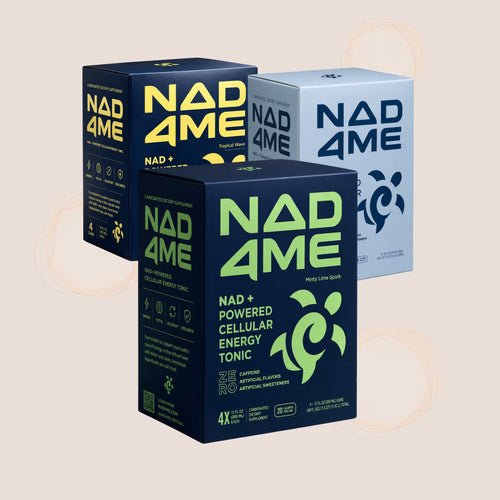
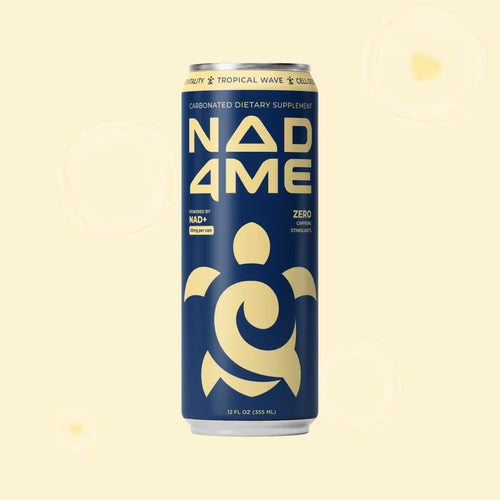
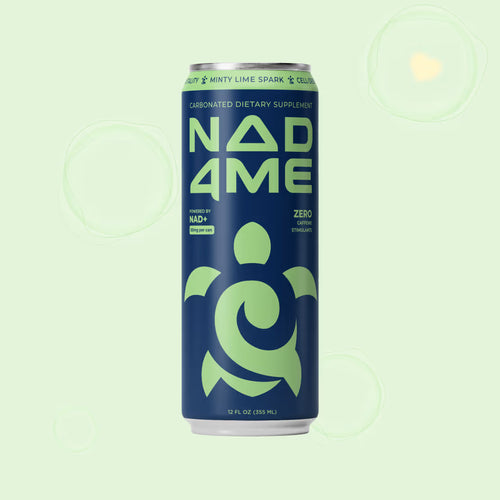
For a wellness-literate audience, this is where ingredient quality matters. Functional formulas built around nutrients and compounds that support everyday vitality can fit into a modern routine without pushing the nervous system harder. NAD&ME sits in that category by focusing on cellular wellness and natural-feeling energy rather than the spike-crash pattern of traditional energy drinks.
Use movement to clear the mental static
One of the fastest ways to reset fog is also the simplest: move your body for a few minutes. Not a full workout. Just enough to change your state.
A brisk walk, a lap around the block, a few flights of stairs, or ten minutes away from your desk can improve alertness more reliably than scrolling for a break. Movement helps because it interrupts the physical stagnation that often comes with mental stagnation.
This works especially well after lunch. If a midday meal tends to make you sleepy, even a short walk can help you feel more awake and present. It is low effort, low risk, and surprisingly effective.
Build a better afternoon routine
The best afternoon routine is one you will actually repeat. It does not need to be elaborate. It needs to remove friction and support consistency.
Create an energy checkpoint
Instead of waiting until you feel terrible, check in around 1 or 2 p.m. Ask a few simple questions. Have you had enough water? Did lunch leave you steady or heavy? Have you been sitting for hours? Are you actually tired, or just overstimulated and mentally saturated?
This kind of pause helps you choose the right fix. If you are dehydrated, caffeine will not solve that. If you are mentally overloaded, another snack may not help. If you have been staring at a screen nonstop, five minutes of daylight might do more than another productivity app.
Choose snacks that stabilize, not spike
If you need an afternoon snack, aim for one that keeps energy level instead of sending it on another roller coaster. Pairing protein or fat with fiber tends to be more reliable than grabbing candy, pastries, or a sugary bar.
Think apple with nut butter, Greek yogurt, a handful of nuts, or crackers with hummus. The exact snack matters less than the pattern. You want something that supports a steady second half of the day, not something that burns bright for twenty minutes.
Protect your focus environment
Not all brain fog is biological. Some of it is cognitive overload. Too many tabs, too many notifications, too many context switches - that can feel like low energy even when the real issue is fractured attention.
If your brain always goes fuzzy in the afternoon, look at your work design. Batch lower-value tasks. Protect one block for deeper focus. Close what does not need to be open. Mental clarity is not only about what you consume. It is also about what you stop feeding your attention.
What actually works long term
Long-term clarity usually comes from stacking small wins. Better sleep. Better hydration. A more balanced lunch. Less dependence on late caffeine. Brief movement. A functional ritual that supports energy without making you pay for it later.
There is no perfect formula because bodies, schedules, and stress loads differ. A parent with broken sleep will have different needs than a remote worker with flexible mornings. Someone training hard in the gym may need more food than someone at a desk all day. The point is not copying a rigid system. It is noticing what keeps your energy stable and repeating it often enough that it becomes automatic.
Afternoon brain fog can feel normal because it is common. That does not mean you have to accept it as the cost of a busy life. With a steadier approach to energy, your afternoons can feel clearer, calmer, and a lot more capable - which is often where your best work was waiting for you.