Cellular Nutrition Guide for Steady Daily Energy
Use this cellular nutrition guide to support steady energy, clearer focus, and daily vitality through food, recovery, hydration, and smarter routines every single day.
Your 3 p.m. slump is rarely a character flaw. It is often the predictable result of a rushed breakfast, long stretches of sitting, inconsistent sleep, dehydration, and an energy strategy built around another stimulant. This cellular nutrition guide takes a different view: lasting energy starts with the conditions your cells need to do their work well.
That does not mean chasing perfection, counting every micronutrient, or turning your kitchen into a lab. It means giving your body reliable raw materials, recovery time, and daily rhythms that support energy production from the inside out. The payoff is practical: steadier mornings, fewer sharp dips in focus, and more left in the tank when the workday ends.
What Cellular Nutrition Actually Means
Cellular nutrition is the practice of nourishing the systems that convert what you eat, drink, breathe, and experience into usable energy. Your cells continuously process nutrients to create ATP, the molecule commonly described as the body's usable energy currency. Mitochria play a central role in that process, but they do not operate in isolation.
They rely on enough protein, fats, carbohydrates, vitamins, minerals, water, oxygen, and recovery. They also respond to your environment. Poor sleep, chronic stress, underfueling, heavy alcohol intake, and a sedentary routine can all make it harder to feel consistently energized, even when your calendar demands that you perform at full speed.
The goal is not constant intensity. Real energy should feel stable and natural, not like a borrowed surge followed by a crash.
Build Meals Around Energy Stability
The most useful nutrition plan is the one you can repeat on a normal Wednesday. Start by looking beyond calories alone. Calories matter, but food quality, meal composition, timing, and adequacy all shape how you feel after you eat.
Prioritize protein early and consistently
Protein supplies amino acids used across the body, including in the maintenance of muscle and many everyday cellular processes. It also tends to make meals more satisfying, which can reduce the midmorning hunt for sugar or a second coffee.
A practical move is to make breakfast protein-forward rather than pastry-forward. Eggs with vegetables, Greek yogurt with berries and seeds, tofu with avocado toast, or a smoothie that includes a meaningful protein source can set a steadier tone than a refined-carb breakfast eaten on the run. The right amount varies with body size, activity, appetite, and dietary preferences, so think consistency before precision.
Choose carbohydrates for the long game
Carbohydrates are not the enemy of cellular energy. They are a primary fuel source, particularly for active bodies and demanding days. The difference is whether they arrive with fiber and other nutrients or as a fast hit that leaves you hungry and foggy an hour later.
Build most meals around fiber-rich carbohydrate sources such as fruit, beans, lentils, oats, potatoes, quinoa, brown rice, and whole-grain breads. Pair them with protein and healthy fats. That combination usually supports a more gradual energy curve than eating carbs alone.
There is room for quick-digesting carbs, too. A banana before a workout or a simple carbohydrate during a long endurance session can be useful. Cellular nutrition is not about making one food morally superior. It is about matching fuel to the moment.
Do not fear dietary fat
Fats support cell membranes, help the body absorb fat-soluble vitamins, and make meals more satisfying. Olive oil, nuts, seeds, avocado, fatty fish, and nut butters are easy ways to bring more nourishing fats into a routine.
The trade-off is simple: fat-heavy meals can feel great for some people but sluggish for others when eaten right before intense exercise. Pay attention to timing. A balanced lunch may support an afternoon of focused work, while a lighter pre-workout meal may feel better before training.
Micronutrients: The Small Inputs With Big Jobs
Macronutrients get most of the attention, but vitamins and minerals help keep energy metabolism moving. B vitamins participate in pathways involved in turning food into usable cellular energy. Magnesium is involved in hundreds of biochemical reactions. Iron helps transport oxygen, while vitamin C, zinc, selenium, and other nutrients contribute to normal body functions that influence how you feel day to day.
The smartest first move is usually food variety, not a cabinet full of supplements. Rotate colorful produce, legumes, whole grains, seafood or other protein sources, dairy or fortified alternatives, nuts, and seeds through the week. Different colors and food groups tend to bring different nutrient profiles to the table.
If fatigue is persistent, severe, or new for you, do not self-diagnose it as a nutrient issue. A qualified health professional can help evaluate the bigger picture. Wellness routines are valuable, but they are not a substitute for individualized care.
Hydration Is an Energy Habit
Even mild dehydration can make a demanding day feel harder. Focus drifts, workouts feel less enjoyable, and headaches can show up at exactly the wrong time. Yet hydration is often treated as an afterthought until the afternoon.
Start earlier. Keep water visible during your first work block, drink with meals, and increase fluids when heat, travel, sweat, or high-fiber meals raise your needs. If you exercise heavily or sweat a lot, electrolytes may be useful. If your activity is light and your meals are balanced, plain water may be enough.
There is no prize for forcing excessive amounts of water. Your needs depend on your body, food intake, climate, and movement. The better question is whether hydration is supporting your day rather than becoming another rule to obsess over.
Support the Cellular Rhythm Beyond Your Plate
Nutrition works best when it is part of a broader energy ritual. You cannot out-supplement a five-hour night of sleep, nor can one green juice offset a day spent motionless under fluorescent lights.
Sleep is where recovery gets real. A consistent sleep and wake time, morning daylight, a darker bedroom, and a less stimulating wind-down can support better rest. You do not need a perfect night every night. You need enough good nights that your body has a reliable recovery pattern.
Movement matters, too. Strength training helps maintain muscle, which plays an active role in metabolic health. Walking after meals can be an accessible way to break up long periods of sitting. Higher-intensity exercise can build fitness when recovery and nutrition are adequate. The best approach depends on your starting point, schedule, and current stress load.
Stress deserves a place in any cellular nutrition conversation because the body does not separate your inbox from your biology. A two-minute breathing break, a short walk outside, a phone-free meal, or a transition ritual after work can help signal that the day is not an endless emergency.
Where NAD+ Fits Into a Daily Energy Practice
NAD+ is a naturally occurring coenzyme involved in cellular processes related to energy metabolism. It helps shuttle electrons in reactions that help cells produce energy, and it is also involved in other fundamental biological functions. That is why NAD+ has become a meaningful topic in conversations about vitality, performance, and healthy aging.
Still, NAD+ is not a shortcut around the fundamentals. Think of it as part of a larger cellular conversation. Food quality, adequate protein, hydration, sleep, movement, and stress management create the daily context for feeling well-supported.
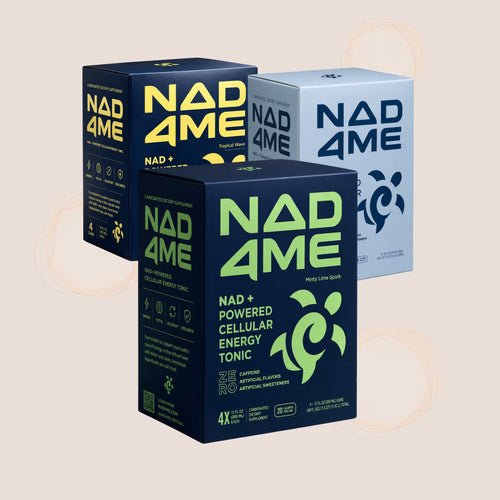
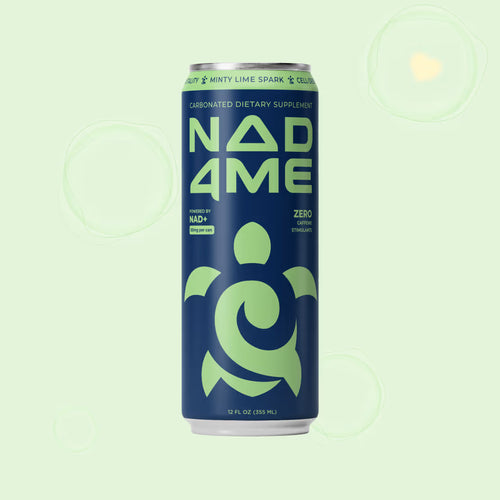
For people who want a caffeine-free addition to that ritual, NAD&ME approaches energy differently than conventional energy drinks. Its NAD+-powered cellular wellness drink is designed for people who want to move through demanding days without building another habit around stimulants or sugar-heavy crashes. It belongs beside the basics, not in place of them.
A Simple Way to Start This Week
Pick one upgrade for each anchor of your day. Make breakfast more balanced. Fill a water bottle before your first meeting. Take a 10-minute walk after lunch. Put your phone down 30 minutes before bed. These choices can sound almost too simple, which is exactly why they work when repeated.
Avoid changing everything at once. If you overhaul your meals, exercise plan, supplements, and sleep schedule in a single week, you will not know what is helping or what is unsustainable. Build the kind of routine you can keep when life is busy.
Your cells do not need a dramatic reset. They need consistent signals that fuel, movement, hydration, and recovery are available. Give them that, and your energy routine can become less about surviving the day and more about showing up for the life you want to live.