How to Boost ATP Naturally for Steady Energy
Learn how to boost ATP naturally with food, movement, sleep, and stress-smart habits that support real, steady cellular energy without relying on stimulants.
That 3 p.m. fade is not always a motivation problem. Often, it is a cellular energy problem. Learning how to boost ATP naturally means looking beyond another coffee or sugary energy drink and supporting the systems that help your body create usable energy all day long.
ATP, short for adenosine triphosphate, is the immediate energy currency used by every cell. Your brain uses it to think clearly. Your muscles use it to move. Your body uses it to maintain the countless processes that keep you alert, resilient, and ready for the day. When energy production cannot keep pace with demand, the result can feel familiar: brain fog, sluggish workouts, an early-afternoon slump, and the sense that you are pushing through rather than moving forward.
The good news is that daily habits can support the conditions your cells need to produce energy efficiently. The goal is not a temporary spike. It is a stronger foundation for steady energy.
What ATP Has to Do With Your Daily Energy
ATP is made continuously, largely inside mitochondria, often called the power centers of the cell. Mitochondria turn the nutrients from food and the oxygen you breathe into ATP your body can use right now. This process depends on far more than calories alone.
Your sleep quality, movement patterns, stress load, hydration, and nutrient intake all influence how supported that energy-making process is. That is why a high-calorie meal can still leave you tired, while a balanced routine can make energy feel more stable even on a busy day.
There is an important distinction here. You do not store large reserves of ATP for later like money in a savings account. Your body makes and uses it constantly. Natural ATP support is therefore about creating repeatable inputs your cells can work with, not chasing a one-time fix.
How to Boost ATP Naturally With Movement
Movement is one of the most reliable ways to signal that your body should maintain capable, responsive energy systems. It may sound counterintuitive when you feel tired, but appropriate activity can help you feel more energized over time.
Build a consistent aerobic base
Walking, cycling, swimming, jogging, and other aerobic exercise challenge your muscles to use oxygen efficiently. With regular practice, your body adapts to meet the demand more effectively. You do not need punishing workouts to benefit. A brisk 20- to 30-minute walk, especially after a meal or between long periods of desk work, is a meaningful place to start.
The best approach depends on your current fitness level. If you are already active, a few purposeful cardio sessions each week may fit well. If you are rebuilding your routine, consistency matters more than intensity. Going too hard when you are under-recovered can leave you more depleted, not less.
Add strength work to the mix
Strength training asks muscles to generate force, which creates a different but valuable energy demand. Two or three full-body sessions per week can support muscle health, metabolic flexibility, and the ability to handle everyday physical demands with less effort.
Keep it practical. Squats, hinges, pushes, pulls, carries, and core work cover a lot of ground. Progress gradually, prioritize good form, and leave room for recovery. The goal is to feel stronger after a month, not wrecked after one workout.
Interrupt the all-day sitting pattern
A focused workday can quietly become eight hours of near-total stillness. Short movement breaks help break that cycle. Stand up for a few minutes, take a lap around the block, stretch your hips, or do a quick set of bodyweight movements. These small resets support circulation and can make your energy feel less flat by late afternoon.
Eat for Cellular Energy, Not Just a Quick Boost
Food provides the raw materials involved in energy metabolism, but meal quality and timing shape how that energy feels. A pastry and sweetened coffee may offer a rapid lift, followed by a hard drop. A balanced meal is less dramatic and usually more useful.
Start with enough protein. Protein supports muscle repair and provides amino acids used throughout the body. Pair it with high-fiber carbohydrates such as fruit, beans, oats, potatoes, brown rice, or whole grains. Carbohydrates are not the enemy of steady energy. They are a key fuel source, particularly for an active brain and body. The difference is choosing forms that digest more gradually and combining them with protein, fat, and fiber.
Healthy fats also belong on the plate. Olive oil, avocado, nuts, seeds, and fatty fish can help make meals more satisfying and support overall nutrition. Then add color. Leafy greens, berries, citrus, legumes, and other plant foods provide vitamins, minerals, and protective compounds that support normal cellular function.
B vitamins deserve particular attention because they help the body process nutrients into usable energy. Foods such as eggs, fish, poultry, dairy, legumes, leafy greens, and fortified grains can contribute, though individual dietary needs vary. People following restrictive diets may need personalized guidance from a qualified health professional.
Hydration matters, too. Even mild dehydration can make concentration and exercise feel harder than they should. Keep water visible during the workday, drink consistently around exercise, and consider how alcohol may be affecting next-day energy and sleep quality.
Protect Sleep Like It Is Part of Your Energy Strategy
A stimulant can mask fatigue. It cannot replace recovery. Quality sleep is one of the most practical ways to support the daily rhythm of energy production, mental clarity, and physical readiness.
Aim for a consistent sleep and wake time most days, including weekends when possible. Give yourself a real wind-down period rather than scrolling until the moment you close your eyes. Dim lights, lower the room temperature, and keep your phone out of reach if it tends to turn a five-minute check-in into an hour.
Morning light can also help set your internal clock. Step outside soon after waking, even briefly. Pair that light exposure with a short walk and you have already checked two foundational boxes before your inbox gets a say.
If you are regularly sleeping too little, adding more intense exercise or cutting calories aggressively is unlikely to create the energized feeling you want. Recovery is not a passive luxury. It is part of the system.
Reduce Energy Leaks From Chronic Stress
Your body is built to handle short bursts of stress. The problem is the always-on version: nonstop alerts, packed calendars, late-night work, and no real transition between effort and rest. Chronic stress can leave you feeling wired at night and drained during the day.
You do not need a perfect meditation practice to shift the pattern. Start with a small daily downshift that you will actually repeat. Take five slow minutes before lunch. Walk without headphones. Try a few deep breaths before an important meeting. Put a boundary around the final hour of your workday.
These practices will not erase a demanding life, but they can reduce the constant sense of internal urgency that drains attention and makes rest less restorative.
Consider Your Daily Cellular Wellness Ritual
Nutrition, movement, sleep, and stress management are the foundation. Functional ingredients can fit into that routine, but they should complement basics rather than compensate for skipped meals, short sleep, or chronic overtraining.
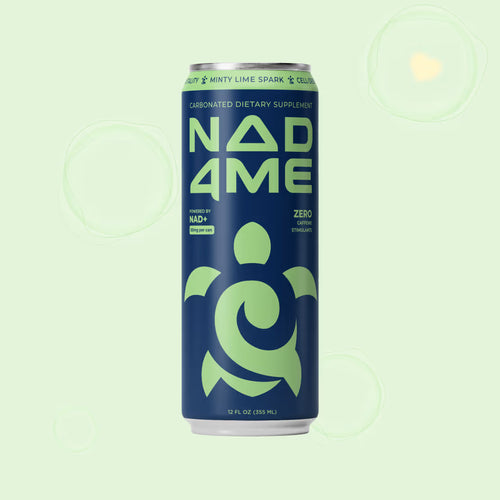
NAD+ is a naturally occurring coenzyme involved in cellular processes related to energy metabolism. NAD&ME was created for people who want a caffeine-free cellular wellness ritual that feels aligned with steady energy, mental clarity, and modern recovery habits. Think of a functional beverage as one intentional part of your day, not permission to ignore the signals your body is sending.
Be thoughtful with any supplement or functional product, particularly if you are pregnant, nursing, taking medication, or managing a health condition. Persistent or unexplained fatigue deserves a conversation with a healthcare professional, not just another energy product.
Make the First Week Simple
Trying to overhaul your routine overnight usually creates more stress, not more energy. For the next seven days, choose one action in each area: move for 20 minutes, build one balanced meal, protect a consistent bedtime, and take one deliberate pause during the workday. Notice what changes in your mornings, your focus, and your late-day mood.
Real energy is not meant to feel like a jolt followed by a crash. It should feel like having enough capacity to show up for the work, training, people, and moments that matter to you.