Post Workout Hydration That Supports Recovery
Post workout hydration is more than water. Learn how to replace fluids, sodium, and fuel after training for clearer recovery and steady energy all day.
You finish a hard session feeling accomplished, then spend the next few hours foggy, flat, and strangely thirsty. That is often not a motivation problem. It is a post workout hydration problem. The drink you choose after training can influence how you feel through the rest of your workday, evening plans, and tomorrow’s workout.
Hydration is not just about chasing a number of ounces. It is about restoring what training asked your body to give up: fluid, electrolytes, and, depending on the session, enough nutrition to begin replenishing energy stores. Get that balance right and recovery feels less like a crash landing and more like a return to your normal, capable self.
Why Post Workout Hydration Is More Than Water
Sweat does more than lower your body’s water level. It carries electrolytes, especially sodium, which helps regulate fluid balance and supports normal muscle and nerve function. The harder, longer, hotter, or more humid your workout, the more that distinction matters.
Plain water is a strong default after an easy 30-minute walk, a light lifting session in a cool gym, or any workout where you barely sweat. But after a long run, a hot yoga class, a demanding cycling session, or outdoor training in summer, water alone may not feel like enough. You may keep drinking and still feel thirsty, headachy, or depleted because you have not replaced much of the sodium lost in sweat.
The goal is not to turn every workout into a complicated nutrition project. It is to match your recovery drink to the actual demand of your training. A short session and a sweat-soaked two-hour workout do not require the same plan.
Start With the Signals Your Body Gives You
Thirst is useful, but it is not always a perfect recovery metric, particularly when you are busy moving from the gym to a commute or a meeting. Notice how you feel after training and during the following few hours. Persistent thirst, dry mouth, darker-than-usual urine, fatigue, lightheadedness, and a lingering headache can all suggest that you need more fluid, electrolytes, or both.
Your body weight can offer another practical data point. If you weigh yourself before and after a few representative workouts, the difference provides a rough picture of how much fluid you lost. A pound lost during training generally reflects about 16 ounces of fluid. You do not need to weigh in after every session, but this simple check can be useful for athletes, heavy sweaters, and anyone training outdoors in heat.
Sweat rate is highly individual. Two people can follow the same workout and lose very different amounts of fluid and sodium. Genetics, acclimation to heat, clothing, intensity, and the environment all play a role. That is why blanket advice can be helpful as a starting point but not as a rule you have to force.
A Simple Post Workout Hydration Formula
For most sessions, begin drinking soon after you finish rather than waiting until you are extremely thirsty. Sip steadily over the next hour or two. Chugging a large amount all at once can leave you uncomfortable, and it does not automatically mean your body will retain the fluid better.
If your workout was moderate and under an hour, water plus a balanced meal or snack is often enough. That meal naturally brings in sodium and potassium from real food, while protein and carbohydrates support the broader recovery process.
When you have trained hard for more than an hour, exercised in heat, or finished with salt dried visibly on your skin or clothes, include an electrolyte source. Sodium is the central player here because it helps the body hold onto the fluid you drink. Potassium, magnesium, and other minerals can be useful parts of an overall diet, but they do not make sodium optional after heavy sweat loss.
For a longer or especially demanding workout, pair hydration with carbohydrates and protein. Carbohydrates help replenish the fuel used during endurance work or high-volume training. Protein provides amino acids your body uses as it adapts to exercise. The right amount depends on your body size, training goals, and what you are eating later, so think of this as a recovery window, not a rigid 30-minute deadline.
Choose Your Drink Based on the Session
A good post workout drink should fit the moment, not just the marketing. Water is accessible, effective, and hard to beat for everyday training. If you need electrolytes, look for an option with a meaningful amount of sodium and a flavor you genuinely want to drink. A hydration product that sits unopened in your bag is not helping anyone.
Traditional sports drinks can be useful during extended, high-sweat training because they typically combine fluid, electrolytes, and fast carbohydrates. The trade-off is that some contain more added sugar than you need after a shorter session, especially if you are also having a full meal soon afterward. There is no need to fear sugar in the context of demanding endurance work, but it should match the job.
Zero-sugar electrolyte drinks can make sense when electrolyte replacement is the priority and you are getting fuel from food. Just check the label. Some products emphasize minerals that sound impressive while providing very little sodium, which is often the electrolyte most relevant to sweat replacement.
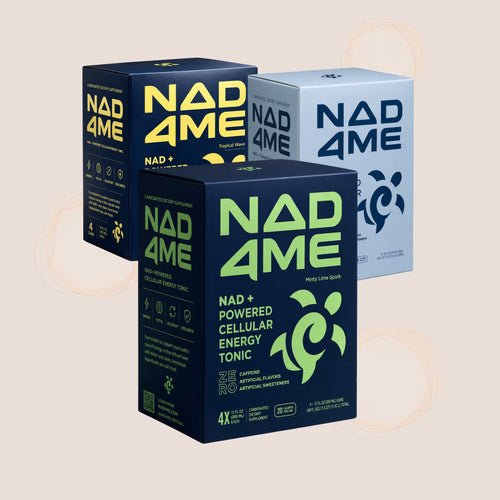
For your everyday vitality routine, separate hydration from stimulation. Caffeine may be part of some people’s pre-workout habits, but it is not required for recovery, and a late-day energy drink can work against the sleep your body needs after training. A caffeine-free functional drink such as NAD4Me can fit a daily wellness ritual alongside water, electrolytes, and food, but it should not be treated as a substitute for replacing fluids after a sweaty workout.
Don’t Forget the Food on Your Plate
Recovery does not live in a bottle. A post-workout meal can contribute meaningful fluids and electrolytes while giving your body the building blocks it needs. Fruit, yogurt, soups, smoothies, eggs, grains, beans, and salty foods can all play a role, depending on what sounds good and when you are training.
If you finish a morning workout and eat breakfast soon after, you may not need a separate recovery shake or sports drink. Oatmeal with fruit and yogurt, eggs with toast, or a smoothie with protein and a source of carbohydrates can cover a lot of ground. If dinner is several hours away after an evening class, a more intentional snack and hydration plan may help you avoid arriving home depleted and overeating whatever is closest.
This is where consistency beats perfection. Recovery is shaped by what you do across the day: how much you drink, whether you eat enough, how well you sleep, and how often you push hard without giving yourself room to reset.
Common Hydration Mistakes That Drain Your Energy
The first mistake is treating every workout the same. A gentle mobility class does not call for the same response as a humid 10K. The second is relying on thirst only after you have spent hours sweating. The third is reaching for caffeine because you feel drained when what you actually need is fluid, sodium, food, or rest.
Another common misstep is overcorrecting with excessive water. More is not always better. Drinking far beyond your needs, especially without electrolytes after prolonged sweating, can dilute the concentration of sodium in your blood. Let your thirst, workout conditions, urine color, and personal sweat patterns guide you instead of trying to hit an arbitrary number.
Finally, do not confuse a flavored drink with a complete strategy. Electrolytes are valuable, but they cannot compensate for under-fueling, poor sleep, or repeated high-intensity sessions without recovery days. Your body responds best to the full picture.
Build a Recovery Ritual You Can Repeat
Keep the routine simple enough to do when you are tired. Bring a water bottle to training. Have an electrolyte option available for heat, endurance sessions, and heavy sweat days. Plan a meal or snack you can eat within a reasonable time after you finish. Then pay attention to how you feel later that day and when you wake up tomorrow.
The best post workout hydration plan is not the most complicated one. It is the one that helps you leave training feeling restored, protects your energy for the life you are building outside the gym, and becomes second nature one session at a time.