7 Caffeine Alternatives for Steadier Energy
Caffeine alternatives offer a calmer path to energy. Compare smart options, know the trade-offs, and build a ritual that supports your day with balance.
The 3 p.m. slump rarely asks permission. It arrives between meetings, on the school pickup run, or halfway through a workout - and the familiar answer is often another coffee. But when that second or third cup turns into jitters, a racing mind, disrupted sleep, or a late-day crash, it is worth asking a better question: what kind of energy do you actually want?
The best caffeine alternatives are not all trying to imitate espresso. Some support a calmer morning ritual. Others help with hydration, nutrition, or the everyday cellular processes involved in turning food into usable energy. The right choice depends on what is behind your fatigue, how caffeine affects you, and what you need from your day.
Why look beyond caffeine?
Caffeine has a place. For many people, a morning coffee is enjoyable, social, and perfectly compatible with a healthy routine. The issue is not that caffeine is inherently bad. It is that more stimulation is not always the answer to low energy.
Caffeine works primarily by blocking adenosine, a chemical messenger associated with sleep pressure. That can make you feel more alert, but it does not replace sleep, hydration, balanced meals, or recovery. It can also be a poor fit for people who are sensitive to stimulants, have trouble winding down at night, or find themselves stuck in a cycle of caffeine followed by an energy dip.
A non-caffeinated approach creates room for a different goal: steadier energy that still feels like you. Less wired. Less dependent on timing the next dose. More aligned with the way you want to feel at 9 a.m., 2 p.m., and after dinner.
7 caffeine alternatives worth considering
1. Water with electrolytes
Fatigue and dehydration can look remarkably similar. A dry mouth, headache, sluggish focus, and low workout output may have less to do with needing a stimulant and more to do with needing fluids.
Plain water is a strong starting point. If you sweat heavily, exercise often, work in heat, or simply struggle to drink enough throughout the day, an electrolyte beverage can be a useful option. Look for a formula that fits your needs rather than assuming more sodium or added sugar is always better. For a normal workday, water and regular meals may be enough.
2. A protein-forward breakfast or snack
Coffee on an empty stomach can feel productive until it does not. If your morning begins with caffeine and little food, the midmorning dip may be a fuel problem, not a motivation problem.
Try building a meal or snack around protein, fiber-rich carbohydrates, and healthy fats. Greek yogurt with berries and nuts, eggs with whole-grain toast, or apple slices with nut butter can offer a more grounded foundation than a pastry and a large cold brew. The point is not perfection. It is giving your body something substantial to work with before asking it to perform.
3. Decaf coffee or herbal tea
Sometimes the ritual is the real need. The warmth of a mug, the five-minute pause before opening your inbox, and the familiar flavor of coffee can all signal that the day has begun.
Decaf coffee preserves much of that experience with only a small amount of caffeine. Herbal teas offer even more variety, from peppermint after lunch to rooibos in the afternoon. Neither is a magic energy source, but replacing a late caffeinated drink with a satisfying non-caffeinated ritual can protect your evening wind-down without making you feel deprived.
4. A short walk in daylight
This is not a beverage, but it belongs in any honest conversation about energy. A 10-minute walk outdoors can interrupt the sedentary fog that builds after hours at a desk. Daylight also helps reinforce your body’s natural daily rhythm, which matters if you want more alert mornings and easier evenings.
Use it strategically. Take a call while walking, step outside after lunch, or make a lap around the block before reaching for another drink. It will not compensate for chronic sleep loss, but it can be surprisingly effective when your attention has simply gone stale.
5. A well-timed power nap
For some people, a brief nap is more restorative than forcing another caffeinated beverage. A 10- to 20-minute rest can provide a mental reset without leaving you groggy. The trade-off is timing: naps that run too long or happen too late may make it harder to fall asleep at night.
If naps are not realistic in your schedule, try a five-minute eyes-closed reset, slow breathing, or a screen-free break. The goal is not to be idle. It is to stop treating exhaustion as a character flaw that needs to be overridden.
6. Creatine for training and cognitive support
Creatine is best known in fitness circles for supporting high-intensity exercise performance, but it has become a broader part of many wellness routines. It helps replenish phosphocreatine, a compound involved in rapid energy availability in muscles and other tissues.
It is not a stimulant, so do not expect a coffee-like lift. Think of it as a consistent, foundational tool rather than an immediate jolt. Creatine may not suit everyone, particularly those with specific medical considerations, so it is smart to discuss new supplements with a qualified healthcare professional if you are pregnant, nursing, managing a condition, or taking medications.
7. Cellular wellness beverages
A growing category of caffeine alternatives focuses on the biology beneath the buzz. Rather than relying on stimulants and sugar, these formulas are designed around ingredients involved in metabolism, nutrient support, and cellular energy pathways.
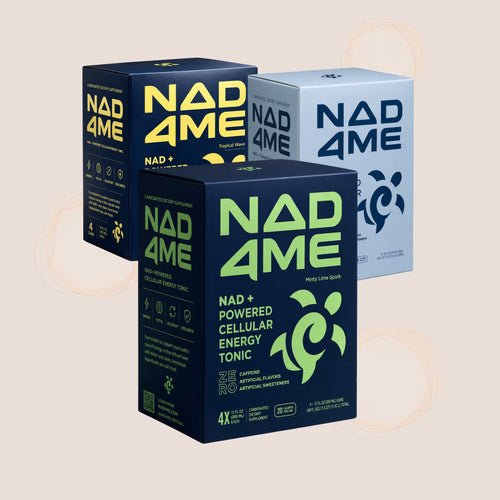
NAD+ is one compound often discussed in this context because it plays a role in cellular processes related to energy metabolism. A thoughtfully formulated beverage may pair stabilized NAD+ with supportive ingredients such as B-vitamins, trigonelline, ergothioneine, inositol, and L-tryptophan. The experience is intended to feel different from a traditional energy drink: less of a spike, more of a daily vitality ritual.
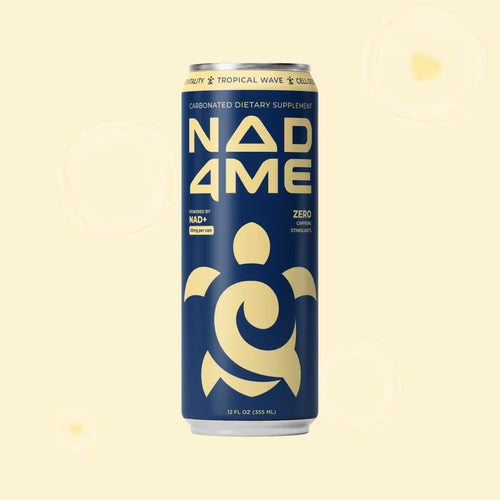
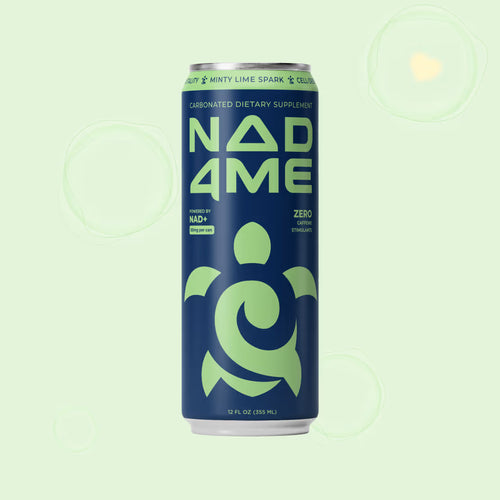
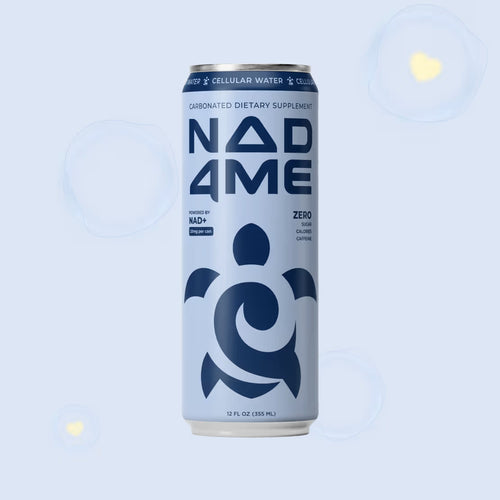
NAD&ME was built around this idea - the future of energy has no caffeine. It is a compelling option for people who want to move away from stimulant dependence while still choosing a functional beverage that feels purposeful. As with any wellness product, read the label, consider your individual tolerance, and keep expectations realistic. No drink can outwork consistently short sleep or an overloaded schedule.
How to choose the right alternative
Start with the moment you usually reach for caffeine. If it is first thing in the morning, ask whether you need hydration, breakfast, sunlight, or a more consistent bedtime. If it is after lunch, look at meal composition, movement, and the quality of your sleep. If it is before a workout, hydration and a snack may be more useful than another stimulant.
Then consider what you are trying to avoid. Sensitive to caffeine? Choose fully caffeine-free options. Trying to cut back gradually? Decaf or half-caf may be a practical bridge. Want a beverage that feels elevated beyond plain water? Explore functional formulas with transparent ingredients and no stimulant-heavy blend hiding behind wellness language.
The biggest mistake is swapping one quick fix for another. A sugary drink may be caffeine-free and still leave you feeling flat later. An impressive ingredient list may be less helpful than a basic lunch if you have not eaten all day. Energy is a system, not a single purchase.
Build an energy ritual that lasts past lunch
A better routine can be simple: drink water when you wake, eat a real breakfast when your schedule allows, get daylight early, and set a personal caffeine cutoff that protects sleep. Then choose a caffeine alternative that supports the part of your routine most likely to break down.
You do not need to earn rest by running yourself into the ground, and you do not need to accept an afternoon crash as the price of a busy life. The most sustainable energy often starts with a quieter choice: give your body what it needs, then let your day build from there.