What Makes a Science Backed Wellness Drink Work?
A science backed wellness drink should support daily energy without caffeine spikes. Learn what the research, ingredients, and routine should look like.
The 3 p.m. slump is not always a sign that you need another coffee. For many people, it is the predictable result of a day built around stimulant peaks, rushed meals, poor recovery, and energy habits that ask too much from the body. A science backed wellness drink takes a different approach: rather than borrowing energy from caffeine and hoping the crash stays away, it is designed to complement the cellular processes that help power your day.
That distinction matters. Real daily vitality is not about feeling intensely switched on for an hour. It is about clearer mornings, more even focus through the workday, and enough left in the tank for a workout, dinner, or time with the people you love.
What a Science-Backed Wellness Drink Is Designed to Do
The phrase "science-backed" gets used freely in wellness. It should mean more than an ingredient appearing in a study somewhere. A thoughtfully formulated functional drink begins with ingredients that have a credible biological role, uses them in a purposeful combination, and makes claims that match the available evidence.
For energy, the biology starts inside the cell. Cells turn nutrients into usable energy through a network of metabolic pathways, much of it centered in the mitochondria. NAD+ is a naturally occurring coenzyme involved in cellular energy metabolism and other foundational processes. It helps enzymes move electrons during reactions that turn food into cellular fuel. It is also involved in pathways related to cellular maintenance.
That does not mean a beverage can promise endless energy, erase fatigue, or change your health overnight. Sleep, nutrition, movement, stress, hydration, and underlying health all shape how you feel. What a well-designed wellness drink can offer is a caffeine-free ritual that fits into an energy-conscious routine, without adding another stimulant spike to the day.
Look Beyond the Energy-Drink Playbook
Traditional energy drinks tend to rely on a familiar formula: high caffeine, sweet flavor, and a fast sensory hit. That can have a place for someone who wants a temporary boost, but it is not the same thing as sustained, natural-feeling energy. Caffeine can also be a poor fit for people who feel jittery, experience an afternoon crash, train later in the day, or want to protect their sleep.
A cellular wellness drink is built for a different use case. The goal is not to mimic the buzz of a double espresso. The goal is to support a more intentional daily rhythm. That means no caffeine, no dependence on a sugar rush, and ingredients selected for their relationship to energy metabolism, focus, and recovery-oriented wellness.
The trade-off is refreshingly honest: stimulant-free energy may feel subtler than a strong coffee. If you expect an immediate rush, you may miss the point. The better question is whether the drink helps you feel steady, capable, and less reliant on the next hit of caffeine.
The Ingredients Should Have a Job
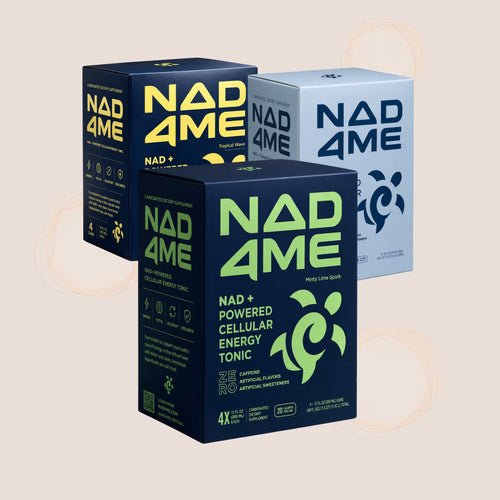
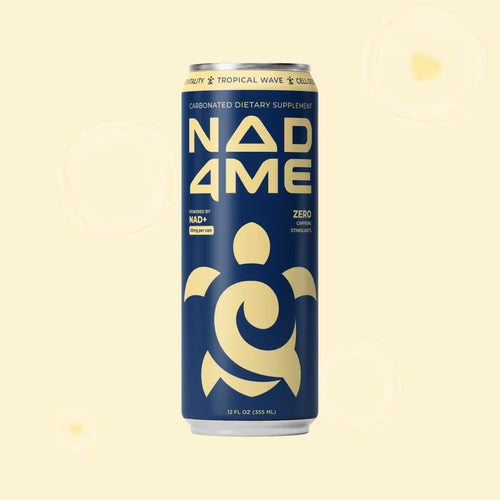
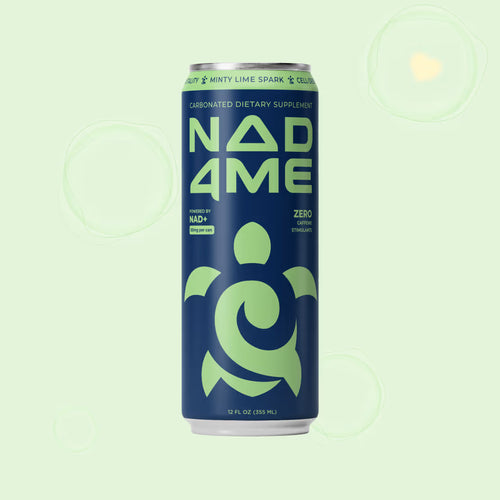
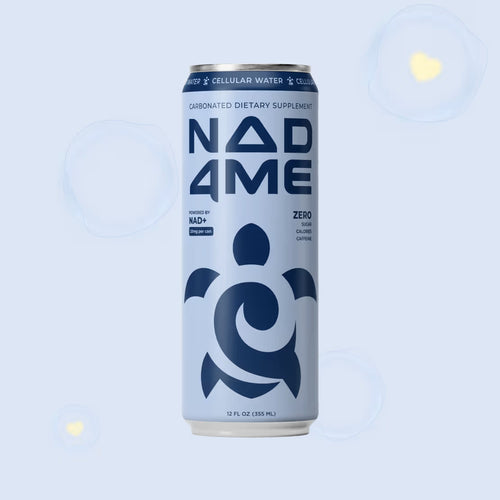
A science-backed formula does not need a long list of trendy ingredients. It needs a reason for every ingredient to be there. At NAD&ME, NAD4Me pairs stabilized NAD+ with supportive compounds chosen to make a cellular-wellness ritual more complete.
NAD+ and cellular energy metabolism
NAD+ is central to the conversation because it is used throughout cellular metabolism. Think of it as one of the molecules that helps keep energy-related reactions moving. Its role has made it a major subject of research in metabolism and healthy aging, but credible brands should be careful not to turn intriguing biology into exaggerated promises.
The practical takeaway is simple: NAD+ belongs in a conversation about how the body produces and manages energy at the cellular level. It gives a wellness drink a fundamentally different starting point than caffeine.
B-vitamins, trigonelline, and inositol
Essential B-vitamins are involved in normal energy-yielding metabolism, which is why they are common in functional formulations. Their presence does not replace balanced meals or make sleep optional. They are supporting players in processes your body already performs every day.
Trigonelline is a naturally occurring plant compound that has drawn scientific interest for its relationship to metabolic pathways. Inositol is another compound found naturally in the body and in foods, often included in wellness formulas for its role in cell signaling. These are not magic ingredients. Their value comes from fitting a formula built around cellular function rather than stimulant intensity.
L-tryptophan and ergothioneine
L-tryptophan is an essential amino acid, meaning it must come from food or supplementation. It participates in several biological pathways and is often discussed in the context of mood and sleep-related chemistry. That is precisely why timing and individual needs matter. Anyone using medications or managing a health condition should speak with a qualified clinician before adding new functional ingredients to their routine.
Ergothioneine is a dietary compound found in foods such as mushrooms. It has gained attention for its antioxidant properties and its presence in the body. In a modern wellness drink, it reflects an interest in cellular resilience, not a promise to treat oxidative stress or prevent disease.
How to Read a Wellness Drink Label With More Confidence
Start with the energy source. If a product promises all-day vitality but leads with a large dose of caffeine, it is a stimulant drink first. There is nothing inherently wrong with that, but it may not meet your goal if you are trying to move away from caffeine reliance.
Next, look for transparency. A brand should clearly identify what is in the drink and why it is included. Be skeptical of vague proprietary blends that make it hard to understand quantities, as well as dramatic language that implies a beverage can solve chronic fatigue, repair your health, or replace fundamentals like rest and nourishment.
Then consider the formula in the context of your real life. A drink can be science-informed and still be the wrong fit if it disrupts your sleep, clashes with your sensitivities, or asks you to ignore medical guidance. The best routine is the one you can use consistently and comfortably.
Make It a Daily Vitality Ritual
A science-backed wellness drink works best when it replaces a less helpful habit, not when it becomes another item in an already overloaded routine. Try it in the morning as a caffeine-free start, before a mentally demanding stretch of work, or as an afternoon reset that does not compromise your evening.
Pay attention to patterns over time. Notice your focus, your desire for extra coffee, and how you feel when the day ends. Keep the rest of the foundation in view: drink water, eat enough protein and fiber, move your body, and protect your sleep window. Cellular energy is not a shortcut around these habits. It is a reason to take them more seriously.
Consistency matters more than chasing a dramatic first-day sensation. The future of energy has no caffeine because the most useful kind of energy is not frantic. It is the kind that helps you show up for the whole day, then still lets you wind down when it is time.
Choose products with science, transparency, and your real routine in mind. Your daily drink should not just make the next hour louder. It should help make your day feel more like your own.