How to Switch From Caffeine Gradually Without Crashing
Ready to switch from caffeine gradually? Build a lower-stimulation routine with tapering, better sleep cues, hydration, and cellular-minded daily energy.
That second cup can feel less like a choice and more like a requirement. By midafternoon, you may be reaching for coffee, tea, pre-workout, or an energy drink just to stay level. The good news: you can switch from caffeine gradually without turning your workday, training routine, or mornings upside down.
The goal is not to white-knuckle your way through a caffeine-free week. It is to reduce your dependence on stimulation while building the habits that make steady energy feel possible again. Think less spike-and-crash, more intentional rhythm.
Why a gradual caffeine switch works better
Caffeine blocks adenosine, a chemical involved in your body’s natural sleep-pressure signaling. When caffeine is part of every morning and every afternoon, your system adapts to that pattern. Remove it all at once, and the adjustment can be uncomfortable: headaches, low energy, irritability, trouble concentrating, and a powerful urge to return to your usual dose.
A taper gives your body time to recalibrate. It also reveals where caffeine has been covering for a routine problem, such as short sleep, skipped meals, dehydration, or a work schedule with no real recovery breaks.
There is no prize for quitting fastest. If you drink one coffee each morning and feel fine reducing it over a week, great. If you regularly rely on several coffees plus an afternoon energy drink, a slower approach may be more realistic. Consistency beats intensity here.
Start by finding your real caffeine baseline
Before changing anything, spend three typical days noticing where your caffeine actually comes from. Coffee is obvious. Cold brew, espresso drinks, matcha, black tea, soda, chocolate, pre-workout powders, some pain relievers, and energy drinks are easier to overlook.
Write down the drink or product, approximate serving size, time of day, and how you felt an hour later. You do not need perfect milligram math. You are looking for patterns: the automatic 3 p.m. can, the oversized cold brew that replaces lunch, or the late workout formula that makes bedtime harder.
Timing matters as much as total intake. A modest amount early in the day may feel very different from a smaller dose at 4 p.m. If your sleep has become lighter or more fragmented, late caffeine may be part of the cycle that keeps tomorrow’s craving alive.
How to switch from caffeine gradually
A useful starting point is to reduce your total caffeine by roughly 10% to 25% every three to seven days. The right pace depends on your current intake, sensitivity, schedule, and how your body responds. If withdrawal symptoms are disruptive, hold at the current level for a few extra days rather than abandoning the plan.
Start with the easiest reduction, not necessarily the biggest one. For many people, that means removing the least satisfying source first: the second coffee you barely taste, the desk drawer energy drink, or the caffeine used out of habit before a meeting.
Next, make your first caffeine serving smaller. Order a smaller size, use fewer scoops, dilute cold brew with water or milk, or mix regular and decaf coffee. A half-caf approach preserves the familiar ritual while lowering the stimulant load. After that feels normal, reduce the later serving or move it earlier.
If you use caffeine before training, test a few sessions without it before deciding you cannot perform without it. Your warm-up, hydration, carbohydrate intake, music, and sleep can all shape how ready you feel. Keep expectations grounded during the transition: a personal best might not be the goal for the first week, but a solid, consistent session still counts.
A simple four-week taper example
For someone drinking two coffees and one caffeinated afternoon drink most days, a four-week transition may feel manageable:
- In week one, replace the afternoon caffeinated drink with a caffeine-free option and keep your two morning coffees.
- In week two, turn one morning coffee into half-caf or reduce its size.
- In week three, make both coffees smaller or keep only one fully caffeinated serving.
- In week four, switch the remaining coffee to decaf, half-caf, or a caffeine-free ritual depending on your goal.
Replace the ritual, not just the stimulant
Caffeine often does more than create alertness. It marks the start of the day, gives you a reason to step away from your desk, and offers a moment of comfort before a demanding workout or commute. Remove the drink without replacing the moment, and the habit can pull you back.
Build a new cue that still feels rewarding. That might be sparkling water over ice, herbal tea, decaf coffee, a protein-forward breakfast, a quick outdoor walk, or five minutes of mobility before opening your laptop. The replacement does not need to imitate coffee. It needs to fit the moment when you normally reach for it.
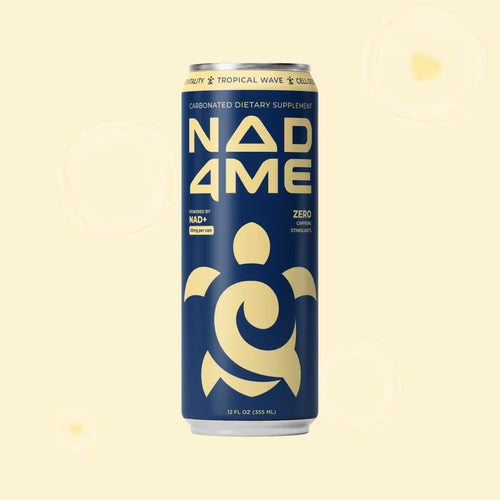
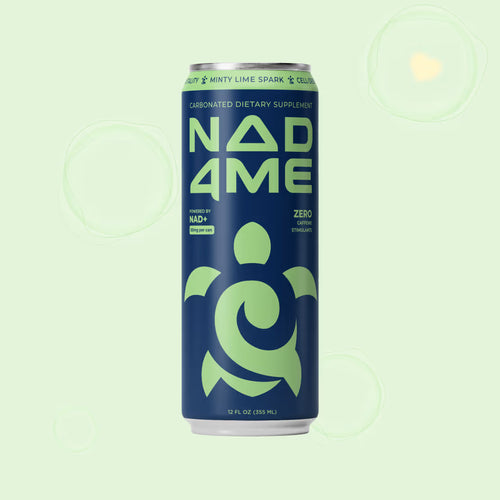
For people looking for a more intentional alternative, a zero-caffeine cellular wellness drink such as NAD4Me can become part of that daily ritual. Its approach is different from conventional energy beverages: it is built around stabilized NAD+ and supportive nutrients rather than a stimulant hit. The point is not to recreate the jolt. It is to choose a routine aligned with steady, everyday vitality.
Support the basics that caffeine may have been masking
Lowering caffeine can make underlying habits more noticeable. That is useful information, even if it is inconvenient at first. If 2 p.m. feels impossible without an energy drink, look at what happened between breakfast and that moment.
Start with sleep timing. A consistent wake time and a wind-down routine can do more for your next-day energy than an extra late coffee ever will. Morning outdoor light, even for a short stretch, can also help reinforce your body’s daily rhythm.
Then look at food and hydration. A breakfast built only around caffeine can set up a shaky, hungry afternoon. Try pairing your morning routine with protein, fiber-rich carbohydrates, and fluids. At lunch, aim for enough food to fuel the second half of the day instead of relying on a stimulant to push through it.
Movement is another practical lever. A 10-minute walk, a few flights of stairs, or a brief mobility break will not replace sleep, but it can interrupt the slump that triggers an automatic caffeine run. It also creates a clean transition between tasks when mental fatigue is the real issue.
Handle headaches and low-energy days without panic
Mild withdrawal discomfort is common when caffeine drops quickly. Headaches, sleepiness, and cloudy focus can feel discouraging, but they are not proof that your body cannot function without caffeine. They are often a sign that your taper needs a little more patience.
Drink water regularly, eat consistent meals, and protect your sleep during the transition. If a headache or fatigue spike is more than you can reasonably manage, slightly increase your current amount or stay at that level longer, then continue with smaller reductions. A gradual plan is allowed to adapt.
If you are pregnant, have a health condition, take medications that contain caffeine or affect sleep and alertness, or have concerns about withdrawal symptoms, talk with a qualified healthcare professional before making major changes. The same applies if fatigue is persistent, severe, or unexplained.
Measure the energy you are getting back
For two weeks, track more than cravings. Notice your morning alertness, afternoon focus, mood, sleep quality, and whether you still feel wired at night. You may find that the first few days are flat, then your energy becomes more predictable because it is no longer being dictated by the next dose.
The future of energy has no caffeine because real vitality should not require a daily trade: borrowed alertness now, a crash later, and compromised rest tonight. Your ideal caffeine-free routine may include decaf coffee, a functional beverage, better meals, earlier light, and more realistic boundaries around sleep. Make it yours, keep it enjoyable, and give your body enough time to remember its natural rhythm.