Top Non Stimulant Energy Options That Actually Last
Top non stimulant energy options for steady focus, better afternoons, and a calmer routine - without caffeine, sugar spikes, or an energy crash later.
The best top non stimulant energy options do not try to overpower your body. They help you build a steadier baseline: clearer mornings, fewer 3 p.m. slumps, and enough reserve left for the life that starts after work. That is a different goal from feeling wired for an hour, then reaching for another coffee.
For many people, caffeine is not the problem until it becomes the only answer. A second or third dose can disrupt sleep, amplify jitters, and turn tomorrow’s energy into a loan with interest. Non-stimulant options offer a more intentional path. Some support the foundations of energy, while others fit neatly into a daily wellness ritual. The right choice depends on what is draining you in the first place.
What non-stimulant energy really means
Non-stimulant does not mean instant, dramatic intensity. It means avoiding ingredients that push the nervous system into a revved-up state, such as caffeine and many common energy-drink stimulants. The payoff is often subtler but more useful: energy that feels like you, not like a temporary override.
Your day-to-day energy is shaped by sleep quality, blood-sugar stability, hydration, stress load, movement, and how efficiently your cells turn nutrients into usable energy. No beverage can replace all of those inputs. But a thoughtful routine can make your energy feel more consistent, especially when it replaces a sugar-heavy drink or late-day espresso.
Top non stimulant energy options for a steadier day
1. Morning light and a short walk
This is not a trendy substitute for a real energy problem. Getting outdoor light soon after waking helps reinforce your circadian rhythm, the internal timing system that influences alertness during the day and sleepiness at night. Pair it with a 10-minute walk and you create a clean transition from sleep to action without needing a jolt from a can.
The trade-off is obvious: it requires a few minutes and works best when repeated. But for people who rely on caffeine just to feel human in the morning, this is one of the highest-return habits to test first.
2. Water with electrolytes, when you actually need it
Mild dehydration can feel like fatigue, dull focus, or a low-grade headache. Plain water is enough for many days. Electrolytes can make more sense after a sweaty workout, time in the heat, travel, or a long day when you have not eaten or hydrated consistently.
Choose options without a heavy sugar load if steady energy is the goal. More is not always better, though. If you are sedentary and eating regular meals, a high-sodium drink may not add much. Think of electrolytes as situational support, not a mandatory personality trait.
3. A protein-forward breakfast or snack
A pastry and coffee can create a fast lift followed by a familiar dip. Adding protein, fiber, and healthy fats helps make meals more satisfying and can support more even energy across the morning. Greek yogurt with berries, eggs with whole-grain toast, or an apple with nut butter are simple examples.
This option is especially useful if your energy crash arrives a few hours after eating. The issue may not be a lack of stimulation. It may be that your first meal is built for speed rather than staying power.
4. Creatine for consistent routine support
Creatine is often associated with strength training, but it is fundamentally involved in cellular energy systems. It has a strong research history in exercise performance and is popular among people looking to support demanding training blocks or active lifestyles. Unlike caffeine, it is not taken for a quick buzz.
It is a routine-based option, not an afternoon rescue. Results and tolerance vary, and some people notice water-weight changes. If you have a medical condition, take medications, or are pregnant or nursing, it is wise to ask a qualified healthcare professional before adding a new supplement.
5. A caffeine-free cellular wellness drink
For people who want the ritual and convenience of an energy drink without stimulants, a functional beverage can be a smarter daily swap. Look past flashy front-label promises and ask better questions: Is it caffeine-free? Is the formula transparent? Does it avoid excess sugar? Does it fit the time of day you want to use it?
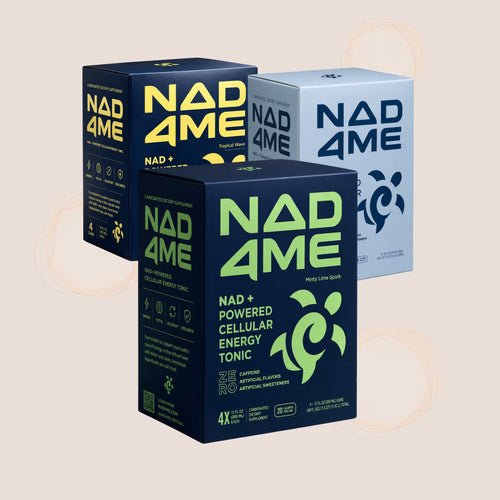
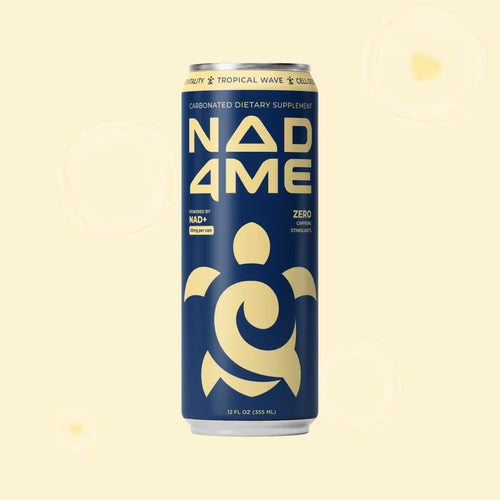
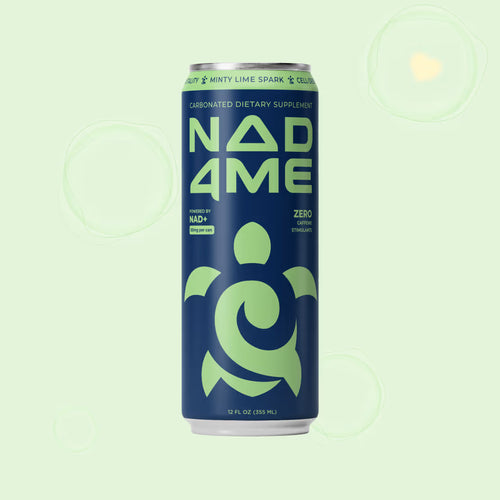
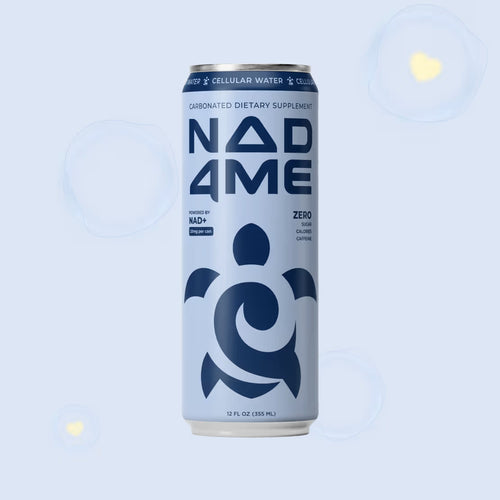
NAD&ME’s NAD4Me is designed around stabilized NAD+ with supportive ingredients including L-tryptophan, trigonelline, ergothioneine, inositol, and essential B-vitamins. The intention is not a spike. It is a modern daily vitality ritual for people who want to move away from the crash-and-repeat energy cycle.
NAD+ is a naturally occurring molecule involved in cellular energy metabolism. That makes it an intriguing part of the broader conversation around how the body creates and uses energy. Still, functional beverages are best viewed as one layer of a well-built routine, not a replacement for sleep, food, or recovery.
6. Strategic movement breaks
When focus drops, many people sit still and consume more stimulation. Often, a brief movement break works better. Two minutes of stairs, a brisk walk around the block, bodyweight squats, or a few mobility drills can change how alert you feel by getting blood flowing and interrupting mental stagnation.
The key is to do it before you are fully depleted. Put a movement break between meetings or use it as the bridge into an afternoon task. It costs nothing, does not interfere with bedtime, and pairs well with every other option on this list.
7. A better approach to the afternoon slump
The afternoon dip is partly biological. Many people experience a natural decline in alertness after lunch, even with solid sleep. Trying to erase it with caffeine at 4 p.m. can make the next morning harder.
Instead, start with a quick diagnostic. Were you underhydrated? Did lunch leave you overly full or hungry again an hour later? Have you been staring at one screen for four hours? A glass of water, a protein-and-fiber snack, daylight, and five minutes of movement may be enough to reset the next block of your day.
How to choose the right option for your energy pattern
Start with the pattern, not the product. If you wake up exhausted most days, look at sleep timing, sleep quality, and whether caffeine is creeping too late into your afternoon. If you fade after lunch, investigate meal composition, hydration, and inactivity. If you feel mentally scattered but physically fine, reduce context switching and build a short reset between demanding tasks.
Then choose one or two changes and give them time. Swapping an afternoon coffee for a caffeine-free wellness drink while adding a 10-minute walk is a realistic experiment. Rebuilding your entire diet, supplement stack, and training schedule in one Monday is not.
Keep expectations honest. Non-stimulant energy is rarely about a dramatic rush. It is about reclaiming the capacity to show up with clearer focus, steadier momentum, and less dependence on the next hit of caffeine.
The most powerful option may be the one you can repeat tomorrow: a better breakfast, a midday walk, enough water, and a daily ritual that supports how you want to feel long after the can is empty.