Wellness Drinks Sugar and What to Look For
Wellness drinks sugar can hide behind healthy language. Learn what to check on a label and choose daily energy without the sharp rise and crash later on.
A 3 p.m. wellness drink can look like a better choice than soda or a conventional energy drink. But wellness drinks sugar can still add up quickly when a product is dressed in clean colors, botanical language, and promises of focus. The front of the can tells a story. The Nutrition Facts panel tells you whether that story fits the way you want to feel an hour later.
For people building a smarter energy routine, the goal is not necessarily to fear every gram of sugar. It is to understand what is powering the experience. If you want clear mornings, steadier afternoons, and enough runway left for your evening, sugar deserves a closer look.
Why Sugar Shows Up in Wellness Drinks
Sugar does more than make a beverage taste good. It can soften acidic flavors, carry fruit-forward notes, and deliver fast calories. In a drink designed for endurance training or rapid replenishment after intense exercise, that can have a practical purpose. A long run in heat is not the same situation as sitting at a desk between meetings.
The problem is that many drinks are positioned for everyday wellness while still relying on a meaningful amount of added sugar. The result can be a familiar cycle: a quick lift, followed by a dip in energy or concentration that has you reaching for another drink, snack, or coffee.
That pattern is especially worth considering when the drink also contains caffeine. Caffeine and sugar can create a strong immediate effect, but immediate is not always the same as sustained. If your priority is daily vitality rather than a short-lived jolt, look beyond the first sensation.
Wellness Drinks Sugar: Read Beyond the Front Label
Words like natural, organic, real fruit, low calorie, and functional are not a shortcut around the label. They may describe a real feature of a product, but they do not answer the most useful question: how much added sugar are you drinking per serving?
Start with serving size. Some bottles and cans contain more than one serving, which makes the number on the label easy to underestimate. Next, compare total sugars with added sugars. Total sugars can include naturally occurring sugars from ingredients such as fruit juice. Added sugars show what was included during formulation to sweeten the drink.
Then scan the ingredient list. Sugar may appear as cane sugar, syrups, honey, agave, fruit juice concentrate, coconut sugar, or several other names. A source may sound more wholesome, but it is still relevant to your overall intake and to how the drink fits into your day.
Context matters here. A drink with some sugar is not automatically a bad choice, just as a zero-sugar drink is not automatically right for every person. What matters is frequency, serving size, your activity level, and whether the formula supports the experience you actually want.
“No Added Sugar” Is Useful, but Not the Whole Story
No added sugar can be a helpful signal for someone trying to reduce sweetened beverages. Still, take one more step. Look at the total carbohydrate count, ingredients, and sweetener used.
Some zero-sugar wellness drinks use non-nutritive sweeteners or sugar alcohols. Many people enjoy them without issue. Others notice digestive discomfort, an aftertaste, or that a very sweet flavor keeps their palate expecting sweetness throughout the day. There is no universal winner. The best option is the one you can enjoy consistently, tolerate well, and use without turning your energy routine into another crash-and-crave cycle.
Fruit Is Not a Free Pass
Fruit ingredients can bring flavor and nutritional appeal. Yet fruit juice concentrates can also raise sugar content fast, especially in a beverage that is easy to drink in a few minutes. Whole fruit and fruit-flavored drinks are not interchangeable experiences. Whole fruit comes with texture and fiber; a sweetened beverage is still primarily a beverage.
This does not mean you need to reject every fruit-based drink. It means treating it honestly. If it is a refreshing occasional choice, great. If it is your daily workday energy tool, you may prefer a formula that does not lean on sugar for its main effect.
The Energy Question Most Labels Avoid
A better question than “Does this drink give me energy?” is “What kind of energy is it built to deliver?”
Sugar delivers calories. Caffeine stimulates the nervous system. Both can have a place, depending on the moment. But neither is the only route to a more supported daily energy ritual.
Your cells continuously produce energy to power the work of everyday life. That is why cellular wellness has become such an interesting space for people who are tired of choosing between overstimulation and burnout. NAD+ is a coenzyme involved in cellular energy processes, and it is central to a growing conversation around metabolism, vitality, and healthy aging.
A beverage formulated around cellular support takes a different approach from the classic energy-drink playbook. Rather than asking sugar and stimulants to do all the work, it can pair a no-sugar, no-caffeine foundation with thoughtfully selected functional ingredients. The practical appeal is simple: a more intentional option for the morning commute, the post-lunch slump, travel days, or the hours when you want to stay present without compromising sleep later.
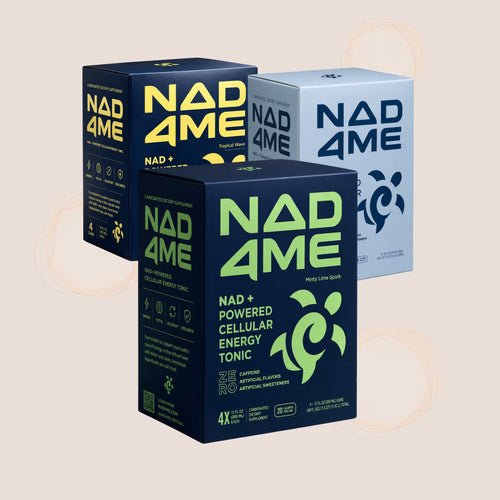
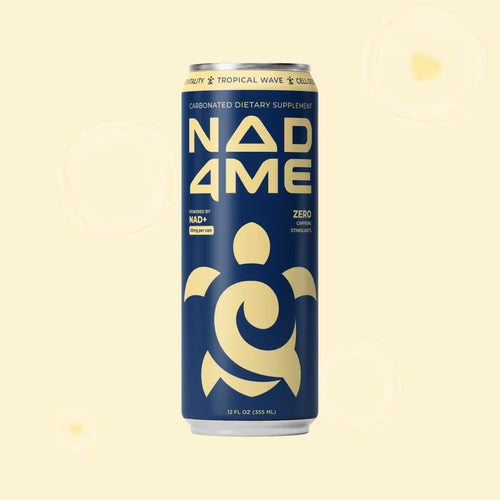
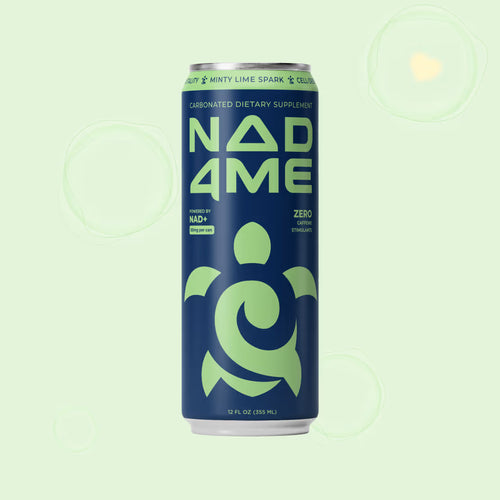
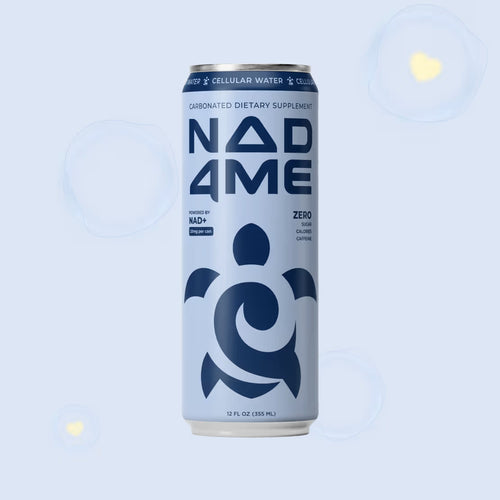
NAD&ME was built around this idea, with a cellular wellness drink featuring stabilized NAD+ alongside ingredients such as L-tryptophan, trigonelline, ergothioneine, inositol, and essential B vitamins. The point is not to promise a dramatic overnight transformation. It is to make a more considered energy choice available in a format that fits real life.
When Sugar May Actually Make Sense
There is no need to make sugar the villain. During prolonged or high-intensity physical activity, carbohydrates can be useful fuel. Someone training for a race, cycling for hours, or working in extreme heat may have very different needs than someone looking for a clean lift before a presentation.
The key is to match the drink to the job. A carbohydrate-containing sports beverage may make sense when you are actively depleting energy stores. A sugar-heavy “wellness” drink may make less sense as a casual, everyday answer to tiredness, especially if you are already getting plenty of carbohydrates through meals and snacks.
Think of it as intention over restriction. You do not have to remove every sweet drink from your life. You can simply stop letting clever branding make the decision for you.
A Better Label Check for Everyday Energy
When choosing a wellness beverage for regular use, consider five things together:
- Added sugar per serving, and how many servings are in the container
- Whether caffeine is present, especially if you are sensitive to it or drink it late
- The role of the drink in your day: exercise fuel, occasional treat, or daily ritual
- The functional ingredients and whether they are clearly named
- How you feel afterward, including your focus, appetite, digestion, and evening wind-down
Build an Energy Ritual That Does Not Borrow From Tomorrow
The most effective wellness routine is usually the one that feels repeatable. It supports the life you already have instead of demanding a perfect schedule, a punishing workout plan, or another complicated supplement stack.
Start with the basics: eat consistently, hydrate, protect your sleep, and move your body in ways you can sustain. Then choose beverages that align with those efforts rather than working against them. If a drink leaves you wired, ravenous, or flat an hour later, its energy may be more borrowed than built.
A lower-sugar or sugar-free wellness drink is not magic. It is simply a chance to remove one common source of volatility from your day. Choose the formula that helps you show up with clearer intent - not just more intensity.