Afternoon Energy Reset Without the 3 PM Crash
Build an afternoon energy reset that supports steady focus, better momentum, and a calmer evening - without another caffeine-fueled crash. Start right today.
The 3 PM slump is rarely a character flaw. It is often the predictable result of a rushed lunch, back-to-back screens, too little daylight, and an energy strategy built around another stimulant. A smarter afternoon energy reset does not ask you to power through at all costs. It helps you create enough momentum to finish the day clearly, without borrowing from tonight's sleep.
That distinction matters. The goal is not to feel intensely wired for an hour. It is to feel capable, present, and steady through your final meeting, workout, school pickup, or dinner plans.
Why your energy drops in the afternoon
Your body is not designed to perform like a machine from sunrise to bedtime. Many people experience a natural dip in alertness in the early afternoon, especially after eating. That dip can feel sharper when the morning started with caffeine on an empty stomach, the day has been mostly sedentary, or lunch was light on protein and fiber but heavy on refined carbs.
Then there is the modern-work factor. Hours of notifications, tabs, video calls, and decision-making can create a kind of mental fatigue that coffee does not truly solve. Caffeine may make tiredness less noticeable for a while, but it can also push the problem later - into jittery late afternoons, a poor wind-down, or sleep that leaves you reaching for more the next morning.
An effective reset starts with a better question: what does my body need right now to regain steady energy? Sometimes the answer is fuel. Sometimes it is movement, water, a mental break, or a more thoughtful functional ritual.
The afternoon energy reset: four moves that work together
There is no single fix for every low-energy afternoon. But a brief, repeatable sequence can make a meaningful difference, especially when you do it before brain fog becomes a full-day write-off.
1. Change your state before you change your to-do list
When focus slips, most people try harder at the same desk. Try changing your physical state first. Step outside for five to ten minutes, let your eyes focus on something farther than a screen, and walk at a pace that raises your breathing slightly.
Daylight and movement are simple inputs, but they can be surprisingly effective for breaking the loop of mental stagnation. If you cannot get outdoors, climb a few flights of stairs, stretch your hips and shoulders, or take a brisk lap around the building. The point is not to turn your break into a workout. It is to remind your system that the workday has more than one gear.
2. Hydrate with intention
Mild dehydration can make concentration feel harder than it needs to be. Before reaching for another coffee, drink a glass of water and give it ten minutes. If you have been sweating, exercising, traveling, or sitting in dry air all day, consider whether your hydration routine has kept pace.
This is also a useful moment to notice your caffeine pattern. A second or third coffee may feel like the obvious answer, but late-day caffeine can be a trade-off. Some people tolerate it well; others find that even a small afternoon dose makes it harder to fall asleep or get deeply restorative rest. The more sensitive you are, the earlier you may want your caffeine cutoff to be.
3. Eat for steady momentum, not a sugar spike
The snack you choose at 3 PM can shape how you feel at 5 PM. A pastry or candy bar may offer a fast lift, but it often leaves you looking for another lift shortly afterward. Build a snack around protein, fiber, and satisfying fats instead.
Greek yogurt with berries, an apple with nut butter, edamame, cottage cheese, or hummus with vegetables can all work. The best choice depends on your preferences, schedule, and what you ate at lunch. If lunch was small or carb-heavy, a more substantial snack may be exactly what helps you regain your footing.
The goal is not dietary perfection. It is reducing the sharp swings that make an already demanding afternoon feel harder.
4. Choose energy support that respects your evening
Traditional energy drinks are built on a familiar formula: high caffeine, sweetness, and a short-term push. That approach may have a place for some people, particularly in occasional high-demand situations. But it is not the only way to approach energy - and it is often not the best fit for anyone who wants clear focus without the wired feeling.
A cellular wellness ritual offers a different frame. Rather than centering the experience on stimulants, it puts the focus on the systems involved in how your body produces and uses energy every day. NAD+ is a coenzyme involved in cellular energy processes, while nutrients such as B vitamins support normal energy-yielding metabolism. These are not overnight miracles or substitutes for sleep, nutrition, and stress management. They are part of a more considered approach to daily vitality.
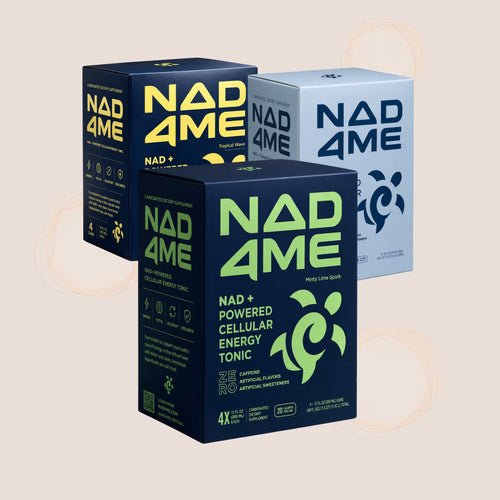
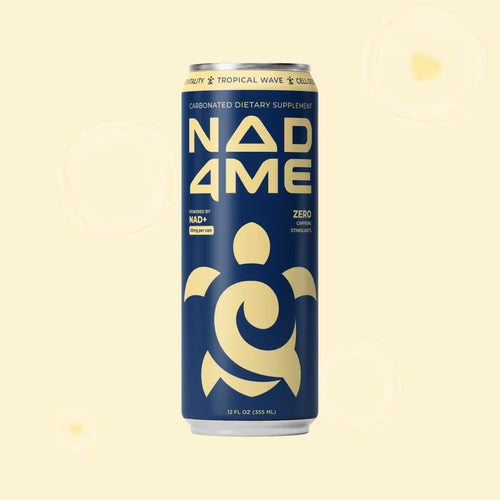
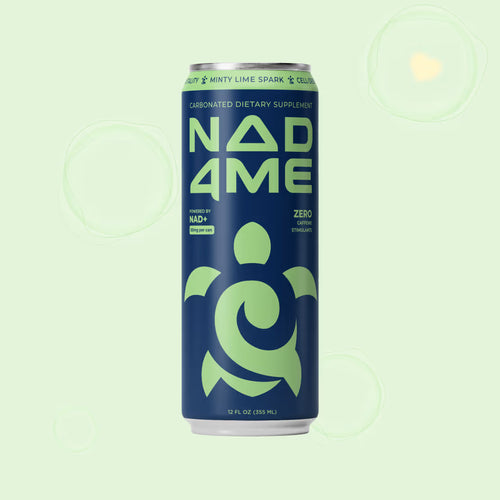
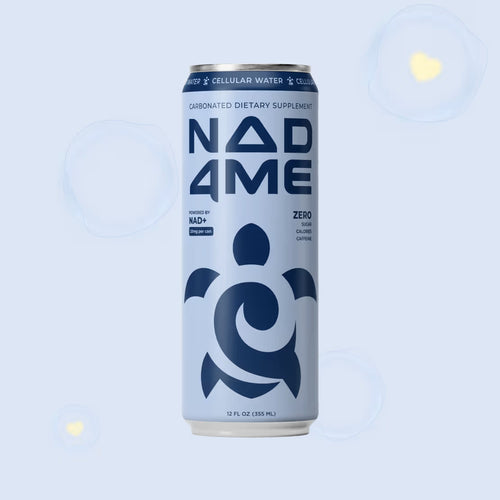
NAD&ME was built for this moment: a zero-caffeine option designed for people who want a more grounded kind of afternoon support. It is a practical choice when you want to stay engaged with your day while protecting the calm, natural wind-down you want later.
Build a reset you will actually repeat
A reset only works if it fits into real life. You do not need a 45-minute wellness routine between meetings. You need a few reliable cues that tell your brain and body the afternoon is not over yet.
Start by setting an alarm 15 minutes before your usual slump. When it goes off, stand up, drink water, and move before you decide whether you are truly tired. Keep a balanced snack where you work so hunger does not turn into an emergency vending-machine decision. If a functional beverage is part of your routine, place it where it is easy to choose deliberately rather than as an impulse response to exhaustion.
It also helps to protect the last part of the workday from low-value tasks. Your sharpest thinking may be better spent on one meaningful priority than on bouncing between ten open tabs. Consider using the first five minutes after your reset to write down the single task that would make the afternoon feel successful. Then give it your attention before returning to messages.
What not to expect from an energy reset
A thoughtful routine can improve how an ordinary afternoon feels. It cannot erase a week of short sleep, chronic overload, skipped meals, or an unsustainably packed schedule. If your fatigue is persistent, severe, or noticeably different from your normal baseline, it is wise to speak with a qualified healthcare professional.
There is also no prize for doing every step perfectly. Some days, the most useful reset is a walk and water. Other days, it is a real meal, a lighter workout, or the decision to log off on time. Wellness becomes more useful when it is responsive rather than rigid.
Make 3 PM a pivot point
The most powerful shift may be letting go of the idea that afternoon fatigue needs to be fought with force. Your low-energy moment can become a cue to check in: Have I moved? Have I eaten enough? Have I been staring at a screen too long? Am I choosing energy that supports the rest of my day?
Build your afternoon energy reset around those answers. A few minutes of movement, intentional hydration, balanced fuel, and non-stimulant support can turn 3 PM from the point where your day unravels into the point where you reclaim your momentum - and still have something left for your life after work.