Functional Beverages Versus Coffee for Energy
Functional beverages versus coffee: compare caffeine-driven alertness with cellular wellness support to choose a steadier daily energy ritual today.
Coffee can make a 9 a.m. meeting feel possible. But when your second or third cup starts competing with your sleep, recovery, or calm, it is worth asking a better question: what kind of energy are you actually looking for? The conversation around functional beverages versus coffee is not about declaring one drink universally better. It is about choosing an energy ritual that supports how you want to feel all day.
For some people, coffee remains a pleasurable and useful part of the morning. For others, its stimulation comes with jitters, an afternoon dip, digestive discomfort, or a wired-at-night feeling. Functional beverages offer a different approach: ingredients selected to support focus, hydration, mood, metabolism, or cellular wellness without making caffeine the main event.
Functional Beverages Versus Coffee: The Core Difference
Coffee is primarily a caffeine delivery system wrapped in a beloved daily ritual. Caffeine works by temporarily blocking adenosine, a compound associated with growing sleep pressure. That can create a noticeable lift in alertness, especially when you are tired. It is fast, familiar, and effective for many people.
The limitation is that caffeine does not create new energy. It changes how strongly you perceive fatigue for a period of time. The experience can be useful, but timing, dose, sleep quality, stress levels, food intake, and individual sensitivity all shape the outcome.
Functional beverages are a wider category. They may contain electrolytes, adaptogenic botanicals, amino acids, vitamins, mushrooms, probiotics, nootropics, or cellular wellness ingredients. Some include caffeine. Others, like NAD+-powered cellular wellness drinks, are intentionally caffeine-free. Their goal is often less about a sharp stimulant hit and more about supporting a steadier daily state: clear-headed mornings, less dependence on the next cup, and energy that better fits the rest of your routine.
That distinction matters. A functional beverage can be a coffee replacement, a coffee companion, or neither. The right choice depends on what your body is asking for.
What Coffee Does Well
Coffee earned its place in millions of routines for good reasons. It is accessible, social, flavorful, and tied to a comforting sense of ritual. Moderate caffeine intake can help many adults feel more alert and ready to begin a task. For a morning workout, an early commute, or a deadline-driven day, that quick lift may be exactly what you want.
Coffee also contains naturally occurring plant compounds, and the experience is deeply personal. A well-made cup can be one of life’s simple pleasures. Replacing it just because functional beverages are trending is not the point.
Still, coffee is not a neutral choice for everyone. A strong cup on an empty stomach may feel very different from a small cup after breakfast. One person can drink espresso at 3 p.m. and sleep normally, while another notices disrupted sleep from caffeine consumed at noon. The same dose can produce focus in one person and anxious energy in another.
The most useful question is not, “Is coffee good or bad?” It is, “How does it affect my energy, mood, appetite, training, and sleep over a full day?”
Where Caffeine Can Work Against Your Routine
Caffeine sensitivity is not a character flaw. It is biology. Genetics, medications, hormonal shifts, stress, sleep debt, and habitual use can all influence how caffeine feels and how long it lingers.
When coffee becomes the answer to every low-energy moment, it can also obscure what is driving the fatigue. Maybe lunch was too light. Maybe your schedule leaves no room to reset. Maybe a late coffee is borrowing from tomorrow’s energy by making tonight’s sleep less restorative. The issue is not necessarily the beverage itself. It is the pattern.
Common signs that your coffee routine may need an adjustment include feeling shaky after drinking it, needing increasingly larger amounts for the same effect, experiencing an afternoon slump after a strong morning, or struggling to wind down at night. None of these automatically means you need to quit coffee. They may simply mean your energy strategy needs more than stimulation.
The Functional Beverage Approach: Support Before Stimulation
The most compelling functional beverages start with a different premise: energy is not only about feeling awake. It is also about the cellular processes that help your body convert nutrients into usable energy, respond to the demands of the day, and recover afterward.
That is why ingredient transparency matters. Instead of relying on proprietary mystery blends or a towering caffeine number, look for formulas that explain what is in the can and why it is there. B-vitamins, for example, play established roles in normal energy-yielding metabolism. Electrolytes can be relevant when hydration is a factor. Ingredients associated with cellular wellness may appeal to people who want their daily ritual to reflect a longer-term investment in vitality.
NAD+ is a naturally occurring coenzyme involved in cellular processes related to energy metabolism. It has become a central topic in the longevity and wellness conversation because of its role inside the body’s cells. A beverage built around stabilized NAD+, along with supportive ingredients such as trigonelline, ergothioneine, inositol, L-tryptophan, and essential B-vitamins, offers a distinct alternative to caffeine-first energy products.
The practical benefit is not that a functional drink should make you feel artificially supercharged. The better goal is a more grounded kind of energy: present enough to work, train, create, and connect without feeling like your nervous system has been turned up too high.
Choosing the Right Drink for the Moment
There is room for both coffee and functional beverages in a thoughtful routine. Coffee may fit when you genuinely enjoy it, tolerate caffeine well, and want a modest boost early in the day. A caffeine-free functional beverage may be a better fit when you want to protect your sleep window, reduce stimulant dependence, stay clear through the afternoon, or create a more intentional wellness ritual.
Consider your timing. If you wake up energized and love a single morning coffee, there may be no reason to abandon it. If you reach for caffeine because you feel depleted at 2 p.m., a non-stimulant functional beverage may be a more aligned experiment. It lets you hydrate and reset without adding another late-day dose of caffeine.
Also consider your goal. Are you chasing immediate alertness, or are you trying to feel more consistently capable across your workday, workout, and evening? These are related goals, but they are not identical. Coffee is optimized for a noticeable stimulant effect. A well-designed cellular wellness drink is designed for a different kind of daily support.
How to Make the Switch Without Making It Miserable
If coffee has become a multi-cup habit, going from several servings to none overnight may not feel great. A gradual approach is usually more realistic. Keep the cup you most enjoy, often the first one, and replace a later cup with a caffeine-free functional beverage for a week or two.
Pay attention to more than your productivity. Notice your concentration after lunch, your desire for sugary snacks, your pre-workout motivation, and how easily you settle into sleep. These signals tell you whether your new ritual is helping.
It also helps to protect the parts of coffee that are not about caffeine. Use your favorite glass, take five quiet minutes before opening your inbox, or make your functional drink part of the same morning or afternoon pause. Ritual is powerful. The future of energy does not need to feel clinical or restrictive.
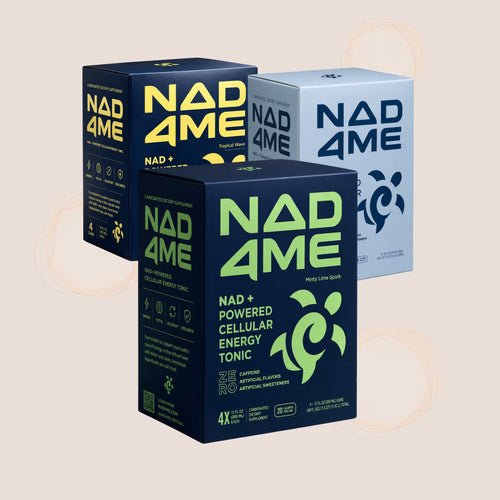
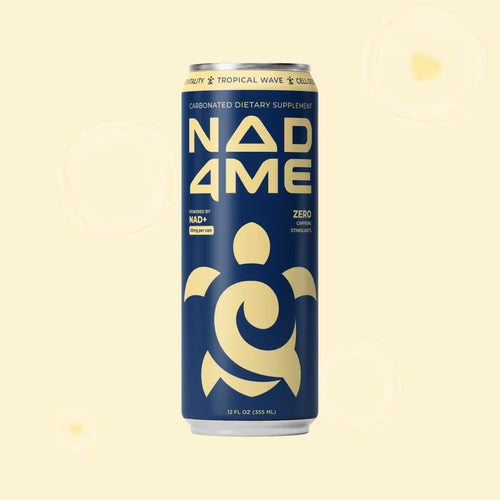
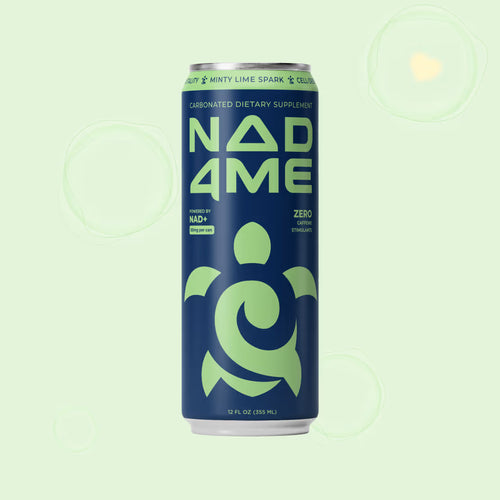
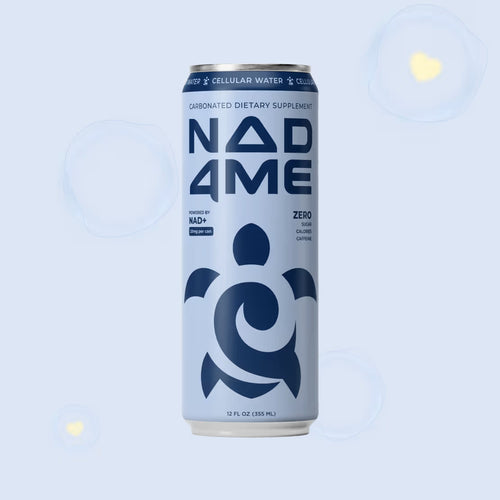
For people looking to move beyond the stimulant cycle, NAD4Me is built around that idea: a zero-caffeine cellular wellness ritual for everyday clarity, vitality, and recovery-minded living. It is not about forcing energy. It is about giving your routine a more intentional foundation.
Read the Label, Not the Hype
Functional is not automatically synonymous with better. Some products carry impressive language but still rely on large caffeine doses, substantial added sugar, or ingredient amounts that are hard to evaluate. Others may include botanicals that are not a fit for every person, particularly those who are pregnant, nursing, managing a health condition, or taking medications.
Choose brands that clearly list ingredients and serving sizes. If you are sensitive to caffeine, confirm the product is truly caffeine-free rather than merely lower in caffeine. If you are introducing a new ingredient, start with the labeled serving and pay attention to how you feel. For personal medical questions or possible ingredient interactions, consult a qualified healthcare professional.
Your energy ritual should leave room for good sleep, nourishing meals, movement, hydration, and recovery. No drink can replace those basics. But the drink you choose can either reinforce them or compete with them.
Tomorrow morning, do not automatically reach for the strongest thing available. Choose the ritual that helps you feel clear at your desk, steady through the afternoon, and still like yourself when the day is over.