Best Ingredients for Mitochondrial Health
Learn the best ingredients for mitochondrial health, how they support cellular energy, and how to build a no-crash daily vitality ritual for daily life.
That 3 p.m. slump is rarely about willpower. It is often the moment when a fast morning, too little sleep, stress, and another caffeine hit catch up with your cellular energy systems. The best ingredients for mitochondrial health are not a replacement for sleep, movement, or real food. They are targeted nutritional tools that can help support the processes behind steady energy, clear thinking, and recovery - without building your day around stimulants.
Mitochondria are often called the power plants of the cell, but the description only goes so far. These small structures help convert the food you eat and the oxygen you breathe into ATP, the usable energy your cells rely on. They also participate in metabolic signaling and the body’s response to everyday stress. When your routine consistently asks for more than it gives back, feeling flat, foggy, or dependent on another coffee can become the norm.
The smarter goal is not artificial intensity. It is supporting the foundations of cellular energy so your day can feel more consistent.
What Mitochria Need to Do Their Job
Mitochondrial health is not determined by one superfood or one supplement. It depends on inputs working together: adequate calories and protein, micronutrients that help energy-producing enzymes function, movement that challenges the body, restorative sleep, and protection from excessive oxidative stress.
That is why ingredient quality and context matter. A nutrient that supports a normal cellular pathway is not a guarantee of a dramatic feeling on day one. Your response may depend on your diet, training load, sleep debt, age, medication use, and baseline nutrient status. The most useful approach is consistent and practical, not extreme.
Best Ingredients for Mitochondrial Health
NAD+ and cellular energy metabolism
NAD+ is a coenzyme found in every living cell. It plays a central role in redox reactions, the transfer of electrons that helps turn nutrients into cellular energy. It also participates in pathways related to normal cellular maintenance and metabolism.
That makes NAD+ a meaningful part of the mitochondrial conversation. It is not caffeine, and it does not work like a stimulant. Caffeine mainly changes how alertness signals are perceived in the brain. Cellular wellness ingredients are designed around the biochemical systems that support energy production itself.
For people who are over the spike-and-crash cycle, that distinction matters. A daily ritual built around cellular support may fit better than another oversized coffee or sugar-heavy energy drink, particularly when you want to feel switched on without sacrificing your evening wind-down.
B vitamins
B vitamins are essential cofactors in the process of converting carbohydrates, fats, and proteins into usable energy. Thiamin, riboflavin, niacin, pantothenic acid, vitamin B6, folate, and vitamin B12 each contribute to different metabolic functions.
Riboflavin, for example, helps form coenzymes involved in electron transfer. Niacin is a dietary precursor to NAD-related compounds. Vitamin B12 and folate help support normal red blood cell formation and metabolic pathways that influence energy indirectly.
The practical takeaway is simple: B vitamins are foundational, not flashy. They are most valuable when they help close a dietary gap, which is why a broad, balanced approach often makes more sense than chasing megadoses. More is not automatically better, and long-term high-dose supplementation should be discussed with a qualified healthcare professional.
Ergothioneine
Ergothioneine is a naturally occurring amino acid derivative found in foods such as mushrooms, beans, and certain whole grains. It has drawn attention for its antioxidant properties and its unique transport system in the body, which helps it reach tissues exposed to high metabolic demand.
Mitochondria naturally generate reactive byproducts as they make energy. That is normal biology, not something to eliminate completely. The issue is maintaining balance when poor sleep, intense training, environmental stressors, or a low-quality diet add more pressure than the body can comfortably manage.
Ergothioneine belongs in a mitochondrial-health formula because it supports the body’s antioxidant defenses without pretending that stress can be erased from a can. It works best as part of a bigger pattern that includes colorful plants, adequate recovery, and regular meals.
Trigonelline
Trigonelline is a plant compound found naturally in foods including coffee, fenugreek, and legumes. Unlike the caffeine associated with coffee, trigonelline itself is not a stimulant. It is being studied for its relationship to metabolic and cellular processes, making it an interesting addition to formulas focused on daily vitality.
The research around trigonelline is still developing, so this is a place for curiosity rather than hype. It should be viewed as a supportive ingredient, not a shortcut. For a wellness-focused consumer, its appeal is that it brings plant-based nutritional value to a cellular-energy routine without relying on the familiar stimulant playbook.
L-tryptophan
L-tryptophan is an essential amino acid, meaning it must come from food or supplementation. It is a building block for protein and contributes to pathways involved in serotonin and melatonin production.
Its mitochondrial role is less direct than NAD+ or B vitamins, but it still earns a place in a thoughtful daily formula. Energy is not just about how hard you can push at 10 a.m. It is also shaped by mood, nourishment, and the ability to transition into restorative sleep later. A no-caffeine energy ritual should respect the full rhythm of the day, not just demand more output from it.
Inositol
Inositol is a naturally occurring carbohydrate-like compound involved in cell signaling. It is found in foods such as fruits, beans, grains, and nuts. It does not function as a stimulant, but it supports signaling systems that help cells communicate and respond to their environment.
For mitochondrial health, that broader cellular context matters. Energy production is not an isolated switch. It is influenced by nutrient sensing, metabolism, and communication between systems. Inositol is a useful example of an ingredient that supports the environment in which cellular energy processes operate.
How to Build a Mitochondria-Supportive Routine
Ingredients work better when your habits give them something to work with. Start with the basics: eat enough protein and fiber-rich plants, include healthy fats, hydrate consistently, and avoid turning breakfast into a caffeine delivery system. A protein-forward meal with fruit, oats, eggs, yogurt, tofu, or beans gives your body more useful raw material than coffee alone.
Then add movement. You do not need a punishing workout every day. Brisk walks, resistance training, cycling, and interval-style exercise can all challenge energy systems in different ways. The best plan is the one you can repeat without digging a deeper recovery hole.
Sleep deserves equal status. Late-day stimulants can make you feel productive while quietly borrowing from tomorrow’s energy. If you regularly reach for caffeine to survive the afternoon, consider whether your routine is supporting alertness at the cost of real restoration.
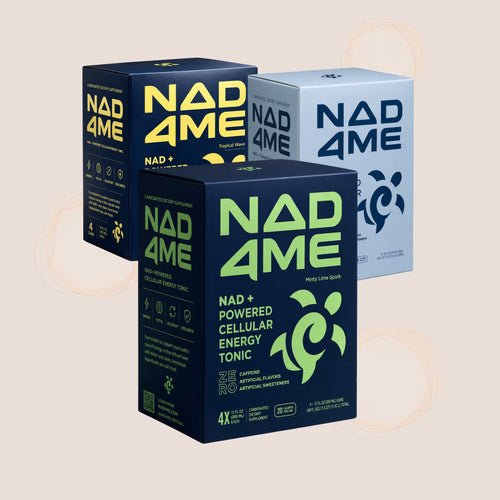
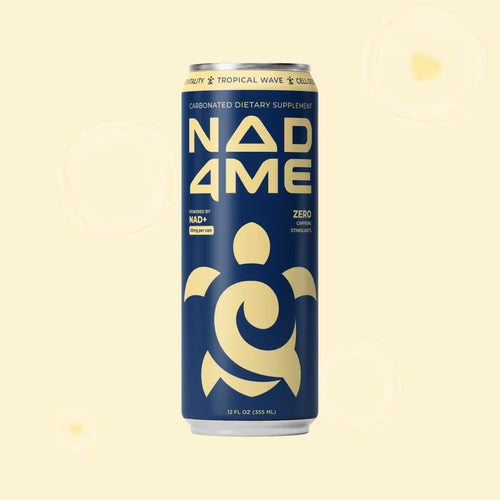
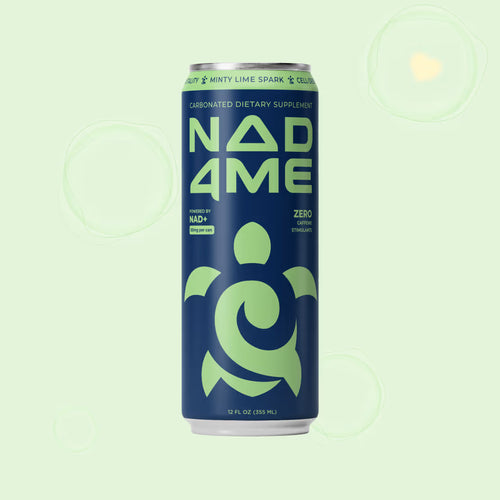
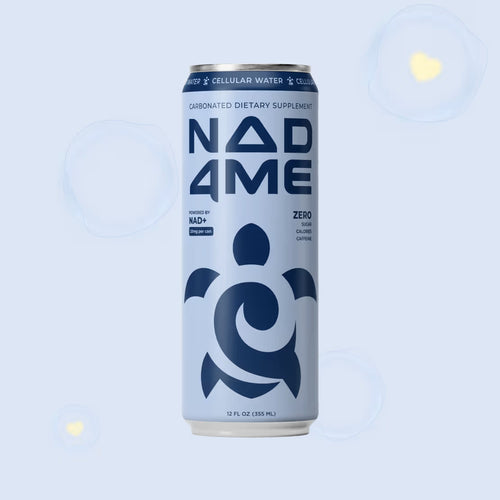
This is where a cellular wellness beverage can fit naturally. NAD&ME pairs stabilized NAD+ with ingredients such as L-tryptophan, trigonelline, ergothioneine, inositol, and essential B vitamins for a daily energy ritual built without caffeine or a sugar-loaded crash. It is designed for the morning meeting, the workout, the school pickup, and the long stretch between them.
What to Look for in a Formula
Choose formulas with transparent ingredient labeling and doses that make sense for regular use. Be skeptical of products that promise instant, limitless energy or position themselves as a substitute for sleep. The strongest wellness routines create steadier capacity over time, not a brief feeling of being overstimulated.
Also consider what is absent. For many people, avoiding high caffeine, excessive sugar, and proprietary blends is just as valuable as choosing supportive ingredients. If you are pregnant, nursing, managing a health condition, or taking medication, check with a healthcare professional before adding a new supplement or functional beverage.
Your cells are not asking for another crash course in productivity. Give them consistent nourishment, intelligent movement, real recovery, and ingredients chosen for the long game. That is how daily vitality starts to feel less like something you chase and more like something you can count on.