How to Build a Caffeine Free Routine That Lasts
Build a caffeine free routine for steadier mornings, clear focus, and calmer evenings - without chasing another stimulant-fueled energy spike every day.
The 3 p.m. coffee run is rarely about taste. It is usually a signal: your morning energy has faded, your focus is slipping, and the rest of the day still demands something from you. A caffeine free routine gives you another way to respond - one built around steadier inputs, better timing, and cellular wellness rather than another stimulant-driven spike.
This is not about forcing yourself to give up a ritual you enjoy or pretending that tiredness is a mindset problem. It is about creating a daily rhythm that helps your energy feel more reliable, from your first meeting to your evening workout, dinner, or downtime.
Why a Caffeine Free Routine Feels Different
Caffeine works by blocking adenosine, a compound involved in the body’s natural sleep-pressure signaling. That can feel useful in the moment. But when caffeine becomes the default answer to poor sleep, skipped meals, dehydration, or nonstop stress, the result can be a familiar cycle: a jolt, a dip, another dose, then trouble winding down at night.
A caffeine free routine asks a better question: what helps you feel capable before you reach the point of depletion?
For some people, that means cutting caffeine completely. For others, it means moving from several daily coffees to one intentional morning cup, then choosing non-stimulant support for the rest of the day. There is no prize for quitting overnight if a gradual change helps you build habits that actually stick.
The goal is not flat energy. Real life includes demanding days, hard training sessions, travel, and short nights. The goal is fewer dramatic peaks and valleys, with more clarity and vitality available when you need them.
Start With Your First 60 Minutes
The first hour of the day has an outsized effect on how much you rely on caffeine later. Before you reach for a drink, give your body a few basic signals that the day has started.
Start with water. After a full night without fluids, even mild dehydration can make you feel sluggish or headachy. Pair hydration with natural light, ideally outdoors, and a few minutes of movement. A walk around the block, gentle mobility, or a short strength session is enough to shift your state without turning your morning into a performance.
Then eat in a way that supports the day ahead. A breakfast with protein, fiber, and healthy fats tends to provide a more stable foundation than a pastry and a sweet coffee alone. Think eggs with vegetables, Greek yogurt with berries and nuts, or oats paired with protein. The right choice depends on your appetite, schedule, and training, but the principle is consistent: do not ask caffeine to compensate for a missing meal.
If you currently drink coffee immediately after waking, experiment with delaying it. Even a 30- to 60-minute pause can help break the automatic connection between opening your eyes and needing a stimulant to function.
Build Energy Around the Afternoon Dip
Most people do not abandon a caffeine free routine in the morning. They abandon it when the afternoon slump hits. The answer is not to white-knuckle your way through that window. Plan for it before it arrives.
First, look at lunch. A very large, highly refined, or sugar-heavy meal can leave you feeling foggy afterward. A balanced lunch with protein, colorful plants, and a satisfying source of carbohydrates supports steadier energy without the sharp rebound that can send you searching for an energy drink at 2:45.
Second, create a short reset that is not another scroll break. Step outside for five minutes. Refill your water. Walk while taking a call. Do a quick set of bodyweight squats. These small interruptions help separate genuine fatigue from the mental drag of sitting in one position and staring at one screen all day.
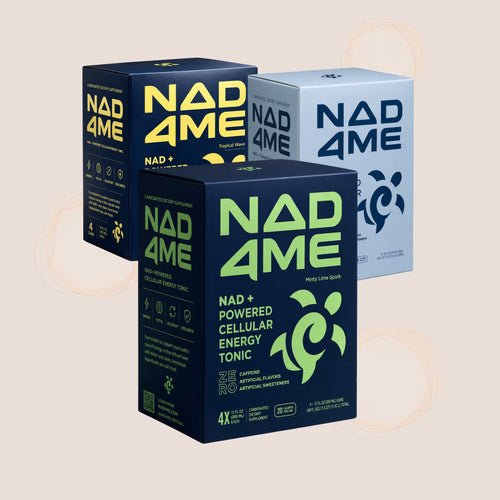
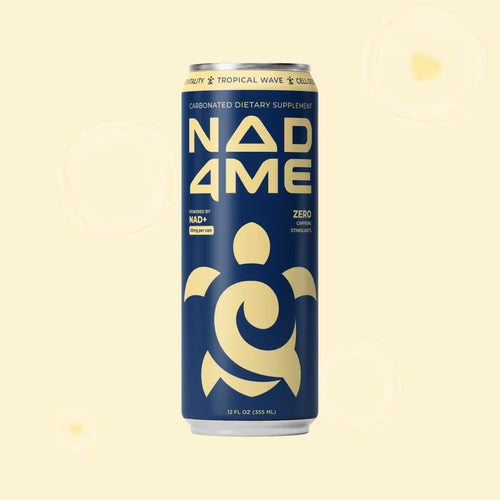
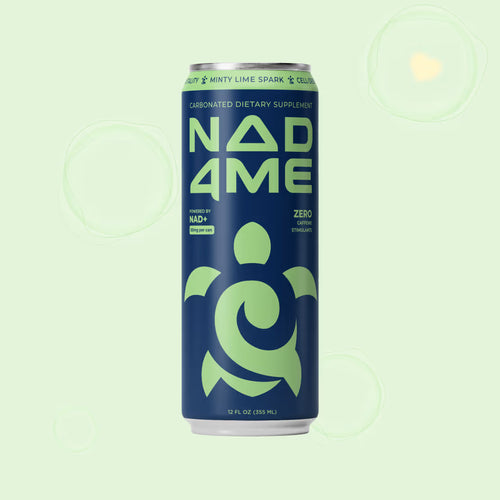
Third, choose your afternoon beverage intentionally. This is where a zero-caffeine functional drink can become part of a useful ritual. Rather than recreating the buzz of a conventional energy drink, look for a formula designed around non-stimulant ingredients and daily cellular wellness. NAD&ME, for example, frames energy around stabilized NAD+ and supportive ingredients such as trigonelline, ergothioneine, inositol, L-tryptophan, and essential B-vitamins - a different approach for people who want to step away from caffeine and sugar-heavy energy products.
That distinction matters. The best caffeine alternative is not necessarily the one that feels most intense. It is the one that fits your day without making your evening pay for it.
Design a Caffeine Free Routine for Your Actual Life
A routine that only works on a quiet Tuesday is not a routine. It is an ideal. Build yours around the moments when caffeine has been most useful to you.
If coffee is your transition into work mode, replace the cue as well as the drink. Pour a cold functional beverage into your favorite glass, make a protein-forward breakfast, and begin with a short planning ritual. If an afternoon latte is your excuse to leave your desk, keep the walk and change the beverage. If you rely on pre-workout caffeine, test a caffeine-free training day when the session matters less, then notice your performance, mood, and sleep that night.
Your environment should make the new choice easy. Keep cold water and caffeine-free options visible. Do not stock a cabinet with the exact energy drinks you are trying to outgrow. Set a calendar reminder for an afternoon reset until it becomes automatic. Small design choices reduce the need for daily willpower.
Make Room for a Transition Period
If your caffeine intake has been high or frequent, a sudden stop may come with headaches, low mood, irritability, and heavy fatigue. That is not a personal failure. It is feedback that your body has adapted to a regular stimulant input.
A taper can be more practical. Reduce serving size, remove one daily dose at a time, or swap your latest caffeine serving for a caffeine-free ritual first. Keep sleep, food, hydration, and movement as consistent as possible during the transition. Otherwise, you will not know whether you are missing caffeine or simply under-recovered.
People who are pregnant, nursing, managing a health condition, or taking medications should speak with a qualified healthcare professional about caffeine changes and ingredient choices that fit their needs.
Protect the Evening You Want to Have
The real test of daytime energy is not whether you can power through an inbox. It is whether you still have something left for your life after work.
Caffeine can linger longer than people expect, and sensitivity varies widely. One person can drink coffee after dinner and fall asleep. Another feels a morning cup in their system well into the afternoon. Pay attention to your own patterns: time to fall asleep, overnight wake-ups, how rested you feel on waking, and whether you need more caffeine the next day to compensate.
A caffeine free routine creates space for a calmer off-ramp. Eat dinner without working through it when possible. Dim screens and lights as bedtime approaches. Choose a short walk, stretch, shower, or book as a repeatable signal that the day is ending. These are not glamorous habits, but they support the recovery that tomorrow’s energy depends on.
Measure More Than Your Morning Alertness
When you change a long-standing habit, do not judge it by one groggy day. Give your caffeine free routine two to four weeks and track a few practical markers: your afternoon focus, workout motivation, evening patience, sleep quality, and how often you feel compelled to reach for a quick fix.
You may find that one early coffee still fits your life. You may feel best with none at all. You may use caffeine occasionally for a specific event rather than treating it as a daily requirement. The right routine is the one that leaves you feeling more in command of your energy, not more restricted by rules.
Tomorrow morning, try one simple shift: drink water, get outside, eat something that can carry you, and wait before deciding you need a stimulant. That pause can be the beginning of a more resilient kind of energy.