Clean Energy Labels: What They Really Tell You
Clean energy labels help you spot stimulants, sugar, and functional ingredients, so you can choose daily energy without a crash that fits your routine.
A can can promise “clean energy” in oversized type and still leave the details in six-point print. That is why clean energy labels deserve more than a quick glance. For anyone trading caffeine spikes and sugary afternoon slumps for a smarter daily ritual, the label is where the real story starts.
“Clean” is not a standardized definition for energy drinks or functional beverages. It can signal a thoughtful formula, but it can also be a broad marketing phrase. The better question is simple: What is creating the feeling of energy, and does that approach fit how you want to feel an hour, four hours, and eight hours from now?
Why Clean Energy Labels Need a Closer Look
Most conventional energy products are built around one familiar mechanism: a large dose of caffeine, often paired with sugar or sweeteners and ingredients that sound functional but appear in unclear amounts. That formula may create a noticeable lift. It can also leave some people feeling wired, restless, hungry, or flat once the effect fades.
A cleaner approach is not automatically a weaker one. It simply asks more of the formula. Instead of relying on a stimulant hit, a thoughtfully designed product may focus on ingredients associated with cellular energy pathways, nutrient support, hydration, or mental clarity. The experience is meant to feel more like steady momentum than a jolt.
But “meant to” is the key phrase. Labels let you separate a real formulation from a vague promise. They also help you choose for your own needs. A person who enjoys coffee and wants a modest pre-workout boost may evaluate a product differently than someone who is caffeine-sensitive, managing a packed workday, or protecting sleep.
Start With the Source of Energy
The front of the package often tells you the benefit. The ingredient panel tells you the mechanism.
Look for caffeine, even when it is not front and center
Check the Nutrition Facts panel and the supplement facts or ingredient list for total caffeine per serving. Do not stop at the word “caffeine.” Common sources include green tea extract, guarana, yerba mate, coffee fruit, kola nut, and matcha. A product may describe itself as natural while still delivering a meaningful stimulant dose.
Natural does not necessarily mean gentle, and caffeine-free does not necessarily mean every ingredient is right for every person. The useful distinction is transparency. You should be able to see what is in the product, why it is there, and how much you are getting.
If you are trying to reduce dependence on stimulants, pay attention to the number, not just the ingredient source. A lower-caffeine drink may still be a fine fit. But a zero-caffeine option creates a different kind of flexibility: energy support without making your afternoon timing a negotiation with your bedtime.
Check sugar and the serving size together
Sugar is another common shortcut. It can make a drink taste great and create a fast lift, but it may not match a goal of even, sustained energy. Look at grams of added sugar per serving, then look at how many servings are in the container. A bottle that appears modest at first glance can contain two servings.
Zero sugar also deserves a closer look, not suspicion. It simply means you should scan the sweetener system and decide what you prefer. Some people prioritize no added sugar. Others avoid particular sugar alcohols because they do not agree with them. There is no universal winner - only a formula that works with your body and routine.
Read the functional ingredients with context
B vitamins, amino acids, botanicals, electrolytes, and compounds tied to cellular wellness can all appear on a clean energy label. Their presence alone does not tell you much. Ask whether the individual amounts are disclosed and whether the formula explains the role of each ingredient in plain language.
For example, a label may include nutrients involved in normal energy metabolism alongside ingredients selected for focus, recovery, or daily vitality. That is a more useful starting point than an unexplained “energy complex.” The goal is not to memorize every compound. It is to know whether the formula is open about what you are drinking.
Watch for Proprietary Blends and Busy Formulas
A proprietary blend groups several ingredients under one total amount. The label may tell you that a blend weighs 1,500 milligrams, but not whether you are getting a meaningful amount of any specific ingredient inside it.
That does not make every proprietary blend ineffective. Companies may use them for legitimate formulation reasons. Still, full disclosure gives consumers more control, especially if they are stacking products such as a multivitamin, pre-workout, nootropic, or adaptogen blend.
Busy formulas can create another issue: overlap. A drink with multiple botanicals, stimulant sources, and high-dose vitamins may sound impressive, but more is not always better. A clean energy product should feel intentional. Each ingredient should earn its place, rather than compete for attention on the can.
What “Clean” Should Mean in Your Routine
The most useful definition of clean is personal and practical. It is not about chasing the shortest possible ingredient list or assuming that every unfamiliar name is a red flag. Vitamin B12 may be hard to pronounce on a label, but that does not make it less relevant. Likewise, an ingredient with a familiar name is not automatically a better choice.
For many wellness-minded consumers, a cleaner energy ritual has a few recognizable traits: clear caffeine disclosure, low or no added sugar, transparent ingredient amounts, and a formula designed for a specific experience rather than an all-out rush.
It should also respect the rest of your day. If a product delivers the feeling you want at 9 a.m. but leaves you tense at 3 p.m. or interferes with winding down at night, it may not be the right version of energy for you. Real vitality has room for focus, movement, recovery, and sleep.
A Better Way to Compare Clean Energy Labels
When you are deciding between products, compare the labels side by side before comparing the front-of-can claims. Start with caffeine per serving. Then check added sugar and calories, followed by the full ingredient list and disclosed amounts. Finally, consider when you plan to use it.
A morning drink may need to support a clear, capable start without replacing breakfast or hydration. An afternoon option should help you stay present without pushing your evening routine off track. A workout-focused beverage may have different requirements than something you reach for between meetings.
This is where category claims can become less useful than product design. “Plant-powered,” “natural,” “metabolism,” and “focus” can all sound appealing. The question is whether the actual formula supports the experience the package promises.
The Shift From Stimulation to Cellular Support
The future of energy has no caffeine - at least, it does not have to. More people are looking beyond the old cycle of stimulant, crash, and repeat. They want an energy ritual that feels aligned with long-term wellness, not at odds with it.
That shift has created more interest in ingredients connected to cellular function, including NAD+, a naturally occurring coenzyme involved in normal cellular processes. For consumers, the practical appeal is straightforward: choose products that prioritize a steady, natural-feeling sense of vitality over an aggressive buzz.
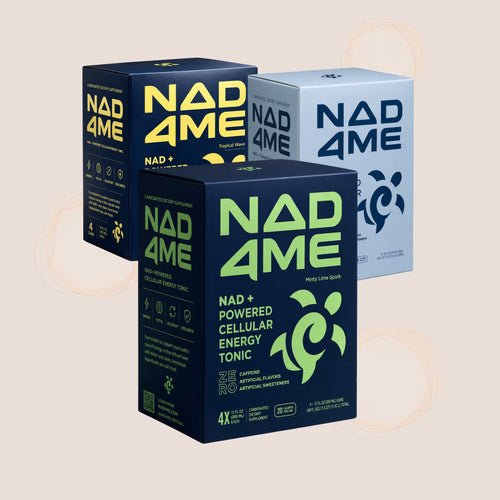
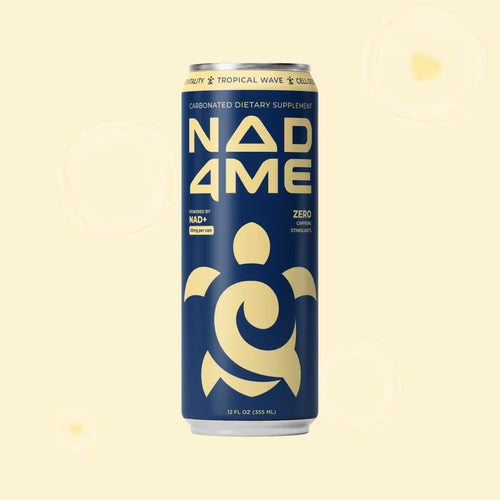
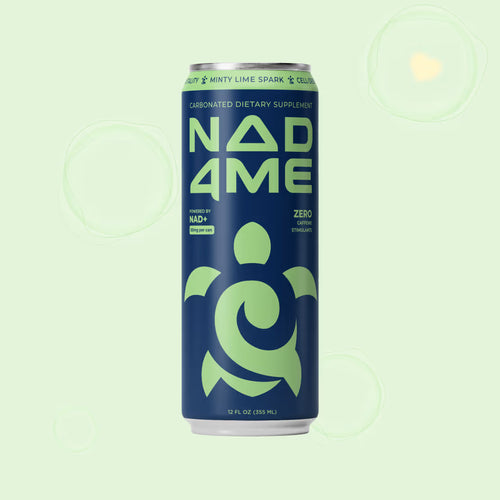
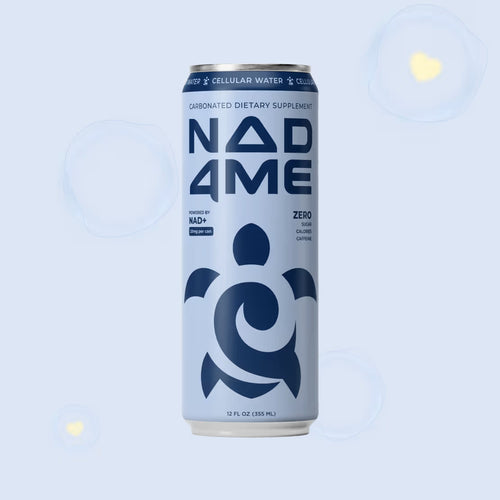
NAD&ME was built around this idea, bringing NAD+ and complementary functional ingredients into a zero-caffeine daily beverage ritual. It is a different conversation from traditional energy drinks. Not “How hard can this hit?” but “How well does this fit the life I want to lead?”
Read the Label, Then Read Your Response
A clean label can help you make a more informed choice, but your own experience still matters. Consider how you feel after a week of use, not just the first sip. Notice your focus, mood, appetite, digestion, sleep, and whether you feel compelled to reach for more.
If you are pregnant or nursing, have a health condition, take medications, or are sensitive to stimulants or specific ingredients, a clinician can help you assess what fits your needs. Labels are powerful tools, but they are not a substitute for individualized guidance.
The best clean energy label is not the one with the loudest claim. It is the one that gives you enough clarity to choose energy that feels steady, intentional, and genuinely yours.