How to Create a Daily Energy Ritual That Lasts
Learn how to create a daily energy ritual for clearer mornings, steadier focus that lasts longer, and less reliance on caffeine, sugar, and afternoon crashes.
At 2:47 p.m., the question is rarely whether you have another coffee. It is whether another coffee will help without stealing from your sleep later. When you create a daily energy ritual, you stop treating energy like an emergency and start giving your body consistent signals for focus, movement, nourishment, and recovery.
That distinction matters. A ritual is not a rigid wellness checklist or a perfectly aesthetic morning. It is a repeatable sequence that reduces the decisions standing between you and a more alert, capable day. The goal is not to feel switched on every second. It is to build steadier energy, clearer thinking, and enough reserve to still feel like yourself after work, training, family commitments, and everything in between.
Why create a daily energy ritual instead of chasing a boost?
Quick energy has its place. A late night, an early flight, or a hard workout can call for a practical adjustment. But when every day starts with stimulation and ends in depletion, the pattern becomes expensive. You may get a burst of urgency in the morning, only to trade it for a jittery focus window, an afternoon dip, and a wired-but-tired evening.
A daily ritual works differently. It creates conditions that support how energy is actually produced and used throughout the day. Your cells continuously turn nutrients and oxygen into ATP, the usable energy that powers everything from muscle contractions to mental effort. NAD+ is a naturally occurring coenzyme involved in these cellular processes, which is why it has become part of the conversation around metabolism, vitality, and healthy aging.
The practical takeaway is simpler than the biology: consistency beats intensity. Your body responds well when meals, light exposure, movement, hydration, focus, and wind-down cues happen with some regularity. You do not need to optimize every variable. You need a rhythm you can repeat on an ordinary Wednesday.
Start with a 20-minute energy anchor
The best ritual begins before your inbox decides how you feel. Give yourself a short opening sequence that tells your brain and body the day has started.
Start with water, then get outdoor light into your eyes if you can. A few minutes outside is enough to be useful, especially if you work under artificial lighting for most of the day. Follow it with gentle movement: a walk around the block, mobility work, a few bodyweight squats, or simply taking the stairs. This is not a workout requirement. It is a transition out of sleep inertia.
Then make one intentional choice about fuel. For many people, that means a breakfast with protein and fiber or a balanced first meal later in the morning. The right timing depends on your appetite, schedule, and training routine. What matters is avoiding the familiar cycle of running on nothing, grabbing sugar in a rush, and wondering why your attention disappears before lunch.
If mornings are chaotic, shrink the ritual instead of abandoning it. Water, daylight, and two minutes of movement is still a ritual. Small actions become powerful when they are easy enough to do consistently.
Build around a cue you already have
Habit formation gets easier when the ritual is attached to something that already happens. Place your water by the coffee maker. Take your morning drink after brushing your teeth. Walk for five minutes right after dropping off the kids or before opening your laptop.
The cue matters more than motivation. Motivation changes with sleep, stress, weather, and workload. A clear cue turns the routine into something you do without negotiating with yourself.
Choose energy that fits the rest of your day
Many people do not actually need more intensity. They need energy that does not make the rest of the day harder. That is why it helps to ask a better question than, “What will wake me up?” Ask, “What will help me feel capable now and still let me sleep tonight?”
Caffeine can be enjoyable and effective for some people, especially when used thoughtfully. But it is not the only path to a productive morning or a strong afternoon. If you are sensitive to stimulants, experiencing late-day nervousness, or simply tired of relying on a bigger dose, a zero-caffeine option can create useful breathing room in your routine.
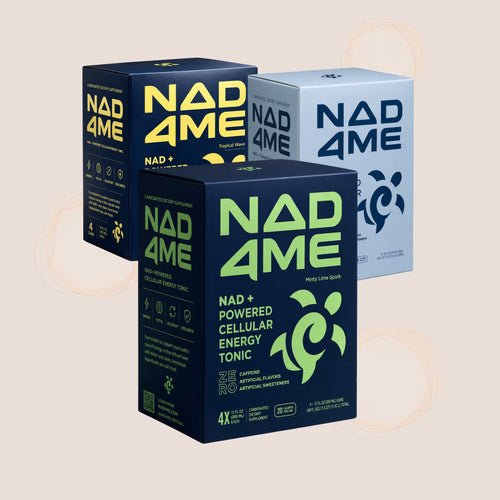
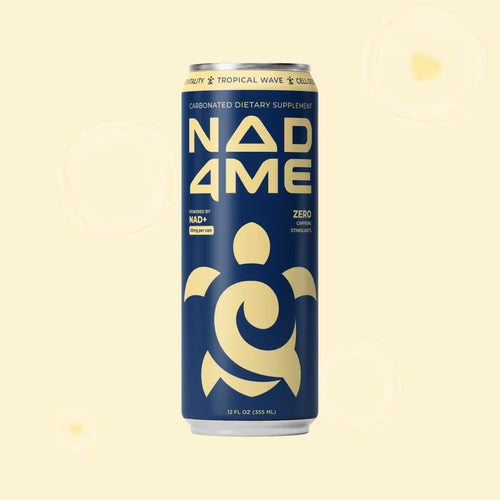
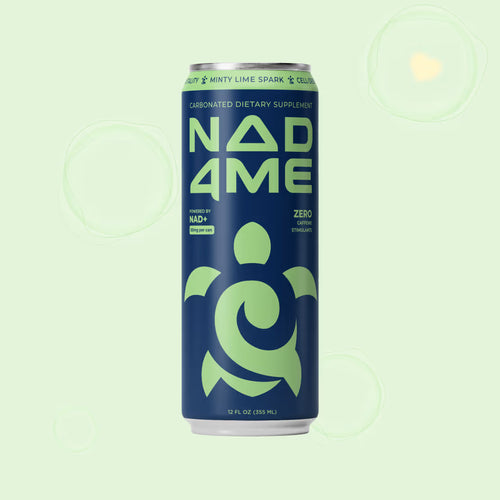
NAD&ME was created for that moment. Its NAD4Me cellular wellness drink is built around stabilized NAD+ with supportive ingredients including L-tryptophan, trigonelline, ergothioneine, inositol, and essential B-vitamins. It is designed for people who want a modern daily vitality ritual without building their day around caffeine or sugar-heavy energy drinks.
A functional beverage is not a substitute for sleep, real meals, or recovery. It is a tool. Use it as part of a larger pattern, not as permission to ignore the basics.
Protect your best focus window
Energy is not only physical. It is also attention. If your first hour at work disappears into notifications, message threads, and reactive tasks, you can feel mentally drained before you have made meaningful progress.
Choose one daily focus block, even if it is only 30 minutes. During that time, put your phone out of reach, close the extra tabs, and work on the task that will make the rest of the day easier. This is where your energy ritual becomes more than wellness language. It becomes a way to protect what your energy is for.
The trade-off is that some jobs are genuinely reactive. Customer-facing roles, caregiving, and leadership work may not allow long stretches of uninterrupted time. In that case, create a smaller boundary: ten minutes before checking chat, a walk between meetings, or a deliberate reset before the next demand. A ritual should fit real life, not require you to escape it.
Use the afternoon dip as a signal
The afternoon slump is often blamed on a lack of willpower. More often, it is information. You may need food, water, movement, a break from screen intensity, or a better transition between tasks.
Before reaching for a second or third stimulant, try a reset. Eat a balanced snack if you are hungry. Step outside for five minutes. Refill your water. Do a brief walk while taking a call. Even a change of physical position can interrupt the feeling that your brain has simply powered down.
Notice what happens after lunch, not just before it. A heavy meal may make one person sleepy, while skipping lunch can leave another person irritable and unfocused. Your ritual gets better when it is based on your patterns, not someone else's social media routine.
Keep a simple energy audit for one week
For seven days, write down three things: when your energy feels strongest, when it falls off, and what happened in the hour before the dip. You are looking for trends, not trying to judge yourself.
Maybe your strongest hours come after a protein-forward breakfast and a short walk. Maybe your low point follows back-to-back video calls. Maybe caffeine after noon is pushing your bedtime later than you realize. Once you see the pattern, you can change one variable at a time.
Close the day without borrowing from tomorrow
A sustainable energy ritual includes an off-ramp. If every evening ends with work messages, scrolling, and one last attempt to catch up, your nervous system never gets a clear signal that the day is over.
Create a short closing cue: dim the lights, set out what you need for tomorrow, take a shower, stretch, read a few pages, or leave your phone outside the bedroom. You do not need all of these. Pick one or two that make sleep feel more protected.
This is where the future of energy becomes less about a dramatic spike and more about continuity. Better days are often built the night before. If fatigue feels persistent, sudden, or disruptive to daily life, it is wise to discuss it with a qualified healthcare professional rather than trying to out-routine it.
Your daily energy ritual does not need to be impressive. It needs to be yours: a few reliable choices that help you arrive with more clarity in the morning, more presence in the afternoon, and more life left when the day is done.