Energy Drinks Without Crash Actually Exist
Looking for energy drinks without crash? Learn what really causes the slump and how cellular, stimulant-free options support steady energy.
You know the pattern. A high-caffeine drink gets you through the morning, your focus spikes for a while, and then by midafternoon your brain feels cloudy, your mood gets shorter, and your energy drops harder than it rose. That cycle is exactly why more people are searching for energy drinks without crash - not because they want less out of their day, but because they want energy that feels cleaner, steadier, and easier to live with.
For years, the energy category trained people to expect intensity first and consequences later. Big caffeine, quick sugar, flashy promises. It works fast, which is why the habit sticks. But fast energy and usable energy are not always the same thing. If your drink leaves you wired at noon and flattened by four, it is not really supporting your day. It is borrowing from the hours ahead.
Why most energy drinks crash you
The crash usually is not random. It is built into the formula.
Traditional energy drinks tend to rely on a simple equation: a large stimulant load, sometimes paired with sugar, plus ingredients that sound functional but do not change the core experience. You feel the lift because your nervous system is being pushed. Then your body has to come back down.
Caffeine itself is not the villain for everyone. Some people tolerate it well. A small coffee can feel smooth and useful. The issue is dose, delivery, and what happens when caffeine becomes the only energy strategy. High amounts can feel productive at first, then show up later as jitters, irritability, poor sleep, or that familiar hollow feeling when the surge wears off.
Sugar can make the problem worse. A sweet, fast-digesting formula may create an initial sense of fuel, then leave you chasing stability a couple of hours later. Even when a drink is sugar-free, a very heavy stimulant profile can still create a boom-and-bust experience.
That is the deeper issue. Many products in the category are built to make you feel something immediately, not necessarily to help you feel good consistently.
What people really mean by energy drinks without crash
Most people are not asking for magic. They are asking for an energy product that supports alertness, clarity, and momentum without the dramatic rise and fall.
That usually means a few things. They want to feel switched on, but still like themselves. They want to stay productive without the shaky edge. They want to finish the day with enough left for a workout, dinner, family time, or simply a normal evening. And they do not want better mornings to cost them worse nights.
In practice, energy drinks without crash tend to move away from brute-force stimulation and toward steadier support. That can include lower-caffeine formulas, no-sugar formulas, or increasingly, completely caffeine-free options designed around cellular energy and functional ingredients.
This shift matters because energy is not only about stimulation. It is also about how well your body is supported through the day - mentally, physically, and metabolically.
The rise of cellular energy over stimulant energy
This is where the category is getting more interesting.
Instead of asking, “How do we make people feel a surge in 10 minutes?” newer wellness beverages are asking a better question: “How do we support energy in a way that feels sustainable?” That is a meaningful difference.
Cellular energy is a useful lens because it focuses on how energy is produced and used at the body level, rather than just how strongly the brain is stimulated. For wellness-minded consumers, this framing makes intuitive sense. If your daily energy depends on more than adrenaline and caffeine, then your beverage should too.
That is why you are seeing more interest in ingredients tied to metabolism, nutrient support, and everyday vitality. The experience is usually subtler than a conventional energy drink, but that is often the point. You are not looking for a spike. You are looking for a better baseline.
For people who are burned out on overstimulation, that can feel like a category reset.
How to spot better energy drinks without crash
If you want a drink that supports steady energy, look past the can design and the headline claim. The formula tells the real story.
A better product usually avoids the obvious crash triggers: very high caffeine, heavy sugar, or both. From there, it helps to look for ingredients that support focus and vitality in a more balanced way. B-vitamins can play a role in normal energy metabolism. Some formulations include amino acids or compounds associated with mental clarity and everyday resilience. Others are built around broader cellular wellness rather than a stimulant hit.
What you should not expect is a copy of the traditional energy-drink sensation. If your benchmark is “I want to feel instantly turbocharged,” a steadier formula may feel different at first. But different is not worse. For many people, it is actually more functional. A calm, clear, sustained lift tends to serve real life better than a dramatic peak.
It also helps to consider timing. A no-crash drink should fit into your actual routine - morning work block, pre-gym focus, afternoon reset, or travel day support - without throwing off the rest of your day.
Why zero-caffeine can make sense
Zero-caffeine energy still sounds contradictory to some people because the market has spent decades equating energy with stimulation. But those are not identical.
Caffeine can be useful. It can also become a crutch. If you have ever needed more and more to get the same effect, or if your energy feels dependent on your next dose, you have already seen the trade-off. What starts as a tool can become a loop.
That is why a zero-caffeine option can feel surprisingly powerful. It gives people a way to support focus and vitality without stacking another stimulant on top of stress, poor sleep, or an already overloaded system. For professionals managing long workdays, fitness-minded consumers who care about recovery, or anyone trying to clean up their routine, that can be a smart shift.
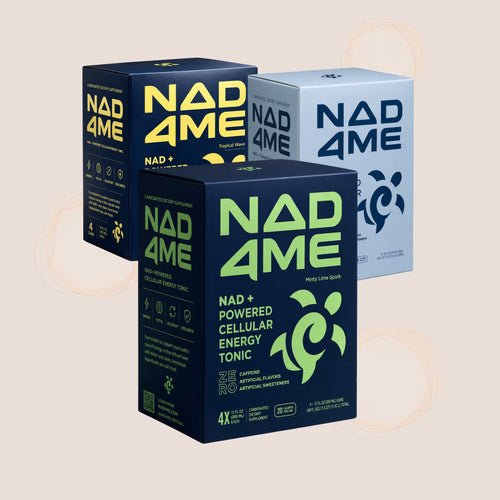
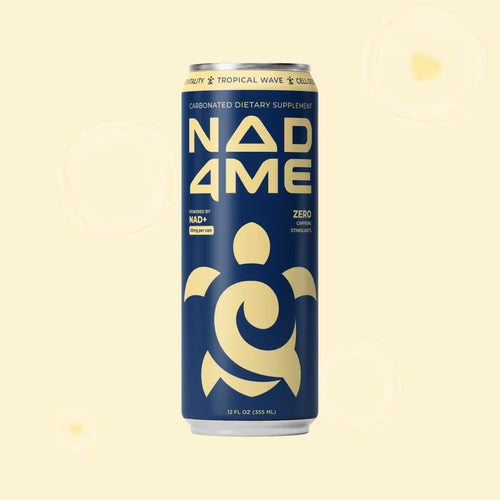
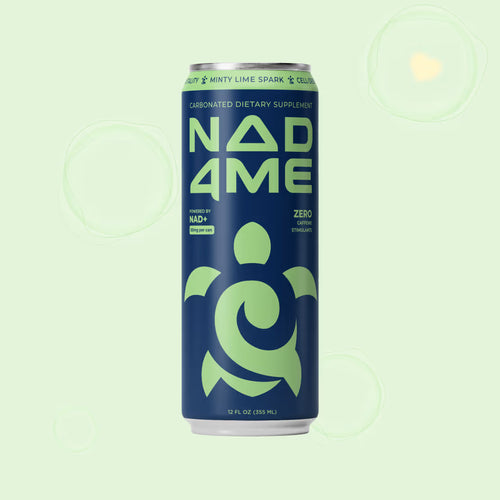
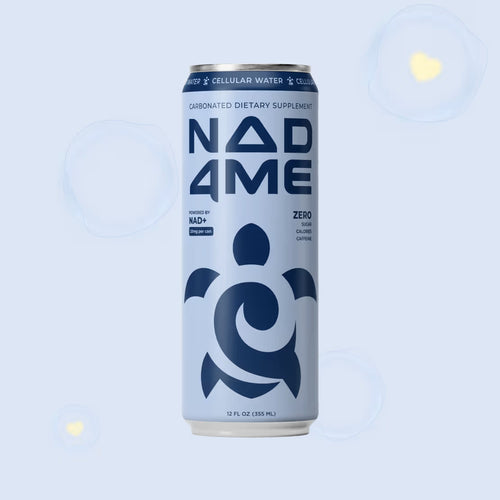
A brand like NAD&ME speaks directly to this change in mindset. The idea is not to overpower your body. It is to support energy in a more modern, wellness-literate way - one that feels compatible with clarity, consistency, and daily ritual.
The trade-offs are real
There is no perfect formula for everyone, and that is worth saying clearly.
If you love the unmistakable rush of a large energy drink, a non-stimulant or low-stimulant option may feel more subtle than you expect. Some people prefer that. Others miss the immediate punch. That does not mean one approach is better in every situation. It depends on what kind of energy you want and what your day actually demands.
There is also the question of habits outside the can. Even the best functional beverage cannot compensate for chronically poor sleep, skipped meals, dehydration, or nonstop stress. If you are under-recovered, the appeal of a strong stimulant makes sense. But that does not mean it is solving the problem.
The smartest energy routine usually pairs a better beverage choice with better fundamentals. Think hydration, protein-rich meals, light movement, and some protection for your sleep window. That is where steadier energy starts to feel real, not theoretical.
What the future of energy looks like
The old model of energy was simple: hit hard, wear off, repeat. The next model is more intentional.
People are getting more selective. They read labels. They think about how they feel two hours later, not just two minutes later. They want focus without frenzy, motivation without a crash, and products that fit a bigger picture of wellness instead of working against it.
That is why energy drinks without crash are not just a niche search term. They reflect a broader shift in expectations. Consumers are no longer impressed by intensity alone. They want energy they can actually use.
And honestly, that is a higher standard for the whole category. A drink should not leave you less available for the rest of your life. The better question is not how hard it hits. It is whether it helps you show up well - at work, in training, and when the day is still asking something from you after 5 p.m.
If your current energy routine keeps taking more than it gives back, that is probably your answer. The future of energy feels less like a spike and more like getting yourself back.