A Functional Beverage Ingredient Guide That Matters
A functional beverage ingredient guide to choosing cellular support, focus, hydration, and energy ingredients without caffeine, sugar, or a later crash.
A functional beverage ingredient guide should do more than spotlight whatever is trending on a can. It should help you understand what an ingredient is doing in your daily ritual, how it fits your needs, and whether the formula supports steady vitality without turning your afternoon into a caffeine countdown.
For many people, the old energy-drink equation no longer works: a large dose of caffeine, a rush of sweetness, a temporary lift, then restless focus or an unpleasant drop-off. Functional beverages offer a different possibility. The best ones are built with purpose, using ingredients chosen to support the systems behind how you feel - cellular energy production, hydration, mental performance, mood, and recovery.
Start With the Outcome You Want
No ingredient is universally "best." The right formula depends on what you want from your drink and what is already part of your routine. Someone replacing a second or third coffee may prioritize a caffeine-free option that supports clear, sustained energy. A person training regularly may care more about hydration, electrolytes, and recovery-friendly nutrition. A busy professional may be looking for a calmer way to stay present through long meetings without sacrificing sleep later.
That is why a smart label begins with a clear question: what is this drink designed to help me feel or do?
Look beyond front-of-pack promises. A formula that says “energy” may rely entirely on stimulants. Another may emphasize hydration but contain little more than flavored water and a trace amount of minerals. Functional ingredients can be valuable, but dose, ingredient form, transparency, and the rest of the formula all matter.
The Functional Beverage Ingredient Guide to Cellular Energy
Cellular energy is where the conversation gets more interesting. Your cells constantly convert nutrients and oxygen into usable energy, and that work depends on a network of compounds, enzymes, and cofactors. A beverage cannot replace sleep, balanced meals, movement, or stress management. It can, however, be designed to complement the biology that supports everyday energy.
NAD+ and cellular function
NAD+ is a coenzyme found naturally in every living cell. It participates in processes involved in energy metabolism and cellular maintenance, which is why it has become a central topic in longevity and wellness conversations. It is not a stimulant. Its appeal is rooted in supporting a more foundational conversation about energy: what happens inside the cell before you ever feel alert enough to answer an email or finish a workout.
For consumers, the practical distinction matters. Stimulants tend to change how energized you feel by activating the nervous system. Cellular wellness ingredients are aimed at a different layer of the experience. They are not a substitute for rest, and they should not be framed as a cure-all. But they may fit a daily routine for people who want to move away from the spike-and-crash model.
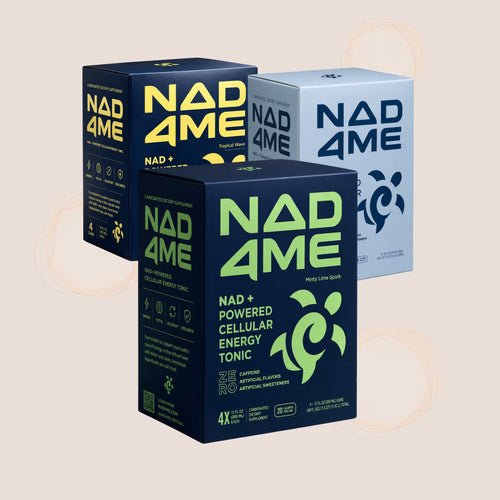
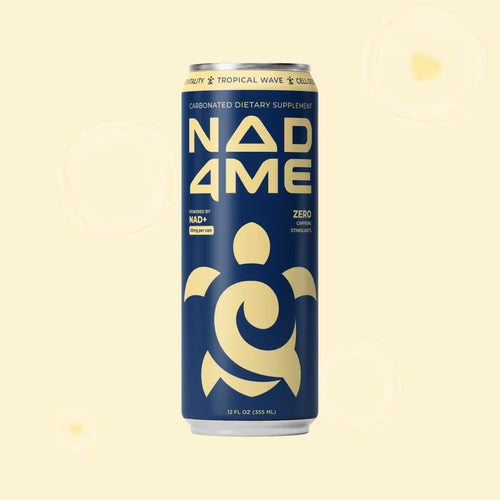
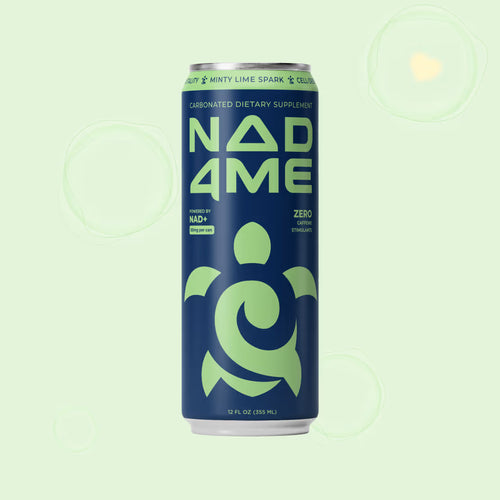
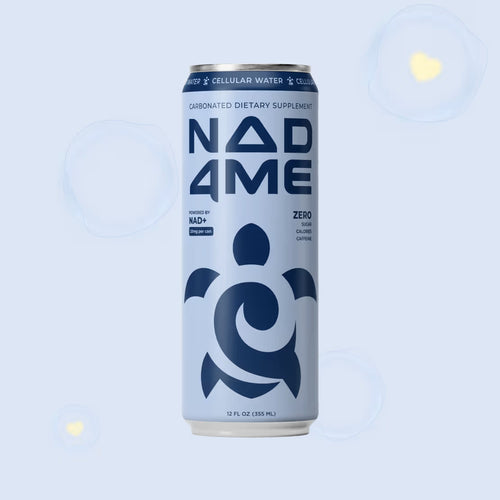
NAD&ME was built around this shift, with stabilized NAD+ at the center of its caffeine-free cellular wellness drink. The idea is simple: the future of energy can be less about forcing the body to push harder and more about supporting the routines that help you show up consistently.
B vitamins: essential, but not magic
B vitamins are often included in energy products because they serve as cofactors in normal energy-yielding metabolism. In plain terms, they help the body process the food you eat into usable energy. Vitamins B1, B2, B3, B5, B6, B9, and B12 each have distinct roles, so “high in B vitamins” is not a complete measure of formula quality.
They are especially relevant when a person has an inadequate dietary intake, but more is not always better. Extremely high amounts do not automatically translate into greater day-to-day energy. Check the label for sensible doses, and remember that fortified drinks should complement, not replace, a nutrient-rich diet.
Trigonelline and ergothioneine: emerging wellness ingredients
Trigonelline is a naturally occurring compound found in foods such as coffee and fenugreek. It is drawing interest in metabolic and cellular-aging research, particularly among consumers looking for coffee-adjacent functional compounds without necessarily choosing caffeine.
Ergothioneine is an amino-acid-derived compound present in mushrooms and other foods. Researchers are interested in its role in cellular protection from oxidative stress. That research is compelling, but consumers should keep their expectations grounded: a functional beverage is one part of a larger wellness pattern, not a shortcut around the fundamentals.
These ingredients can signal a more considered formula when they are clearly disclosed and paired with an overall product philosophy that makes sense. They are less meaningful when added only as label decoration.
Ingredients for Focus, Mood, and a Better Feel
Energy is not just physical. It is also the ability to think clearly, stay even-tempered, and avoid feeling wired at 4 p.m. Ingredients that support these experiences should be evaluated with the same care as any “energy” ingredient.
L-tryptophan and inositol
L-tryptophan is an essential amino acid, meaning the body must obtain it from food or supplements. It is involved in pathways associated with serotonin and other compounds relevant to normal mood and sleep biology. In a daytime beverage, it is best understood as part of a balanced formulation rather than an instant focus switch.
Inositol is a naturally occurring carbohydrate-like compound involved in cell signaling. It is frequently used in wellness formulas designed around mood, metabolic balance, and daily resilience. As with many functional ingredients, the context matters. Consider how it is paired, how much is included, and whether the brand is making responsible, realistic claims.
A good formula should help you feel supported, not overstimulated. If a drink promises laser focus but leaves you tense, shaky, or unable to wind down at night, it may not be the right kind of energy for your life.
Hydration, Electrolytes, and the Everyday Basics
Not every functional beverage needs electrolytes, but hydration deserves attention. Sodium, potassium, magnesium, and chloride are electrolytes that help regulate fluid balance and support normal muscle and nerve function. They can be useful after sweat-heavy activity, travel, time in heat, or a day when plain water has not quite kept pace.
For a typical desk day, a high-electrolyte drink may not be necessary. More sodium is not automatically better, particularly for people who have been advised to monitor their intake. This is a classic “it depends” category. Match the drink to the moment rather than assuming a workout-oriented formula belongs in every routine.
Also pay attention to the basics: added sugar, total calories, artificial colors, and caffeine content. A beautifully marketed functional ingredient does not erase a formula that relies on excessive sugar or leaves you more dependent on stimulation than before.
How to Read a Functional Beverage Label
A practical label check takes less than a minute. First, identify the primary active ingredients and whether the amount of each is disclosed. Proprietary blends are not always poor quality, but they make it harder to assess what you are actually getting.
Next, look at the source of energy. Is it caffeine, sugar, calories from carbohydrates, vitamins, cellular wellness ingredients, or a combination? There is no single correct answer, but you should know what you are choosing. If you are sensitive to caffeine, check for less obvious sources such as green tea extract, guarana, yerba mate, or coffee fruit.
Then consider fit. A functional beverage should work with your schedule, not against it. If you want a better morning ritual, choose something you can reach for before work without worrying about an afternoon crash. If sleep is a priority, think carefully about how a stimulant-containing formula affects your evening.
Finally, be skeptical of oversized promises. Credible brands explain the role of their ingredients in clear language, acknowledge that individual experiences vary, and avoid treating a beverage like medicine.
Build an Energy Ritual You Can Sustain
The most effective functional beverage is usually the one you can use consistently and feel good about. That means a formula you enjoy drinking, ingredients you understand, and a benefit profile that matches your real day - not an idealized version of it.
Choose cellular support when you want a caffeine-free approach to daily vitality. Choose hydration support when your activity and environment call for it. Choose a modest amount of caffeine only if it genuinely serves you and does not create a trade-off with sleep, mood, or recovery. You do not need to chase every new ingredient to make a better choice.
A better energy ritual starts with a better question: not “What will make me feel the most stimulated right now?” but “What can support the way I want to feel all day?”