Is an Energy Drink for Recovery Worth It?
Can an energy drink for recovery help without caffeine or sugar crashes? Learn what supports post-workout energy, focus, and next-day vitality.
You finish a hard workout, drag yourself through the afternoon, and realize recovery is not just about sore muscles. It is also about whether your energy comes back in a clean, steady way. That is where the idea of an energy drink for recovery starts to make sense - not as a jolt, but as support for how you feel after the effort is over.
Most people still associate energy drinks with pre-workout hype, high caffeine, and an inevitable crash. Recovery asks for something different. After training, travel, long workdays, or poor sleep, your body is not asking for more stimulation. It is asking for support. That distinction matters more than ever for people who want performance without burning through their reserves.
What makes an energy drink for recovery different?
A traditional energy drink is built to push. It leans on caffeine, sugar, and fast-acting intensity to create a noticeable lift. That can feel useful in the moment, but it is not always aligned with what recovery actually needs.
A better recovery-oriented formula usually takes a steadier approach. Instead of forcing alertness, it aims to support the systems behind energy, focus, and resilience. For a wellness-minded consumer, that often means looking at ingredients tied to cellular energy, metabolic function, hydration support, and nervous system balance rather than just stimulant load.
This is the shift happening in the category. Energy is no longer only about how fast something hits. It is also about how naturally it fits into a daily rhythm, how you feel a few hours later, and whether it helps you return to baseline without the edgy trade-off.
Why recovery is really an energy conversation
Recovery gets framed as a fitness topic, but the real issue is broader. If your morning workout leaves you depleted at 2 p.m., or a demanding week has you mentally flat by Friday, the problem is not simply output. It is recovery capacity.
That is why more people are rethinking the role of functional beverages. They want something that supports the reset, not just the push. The best options are less about masking fatigue and more about helping you feel clear, steady, and capable again.
There is nuance here. No drink replaces sleep, protein, hydration, or smart training. If those foundations are off, no can will fix the gap. But a well-formulated beverage can still play a valuable role in the space between effort and feeling like yourself again.
The ingredients that make more sense after exertion
If you are evaluating an energy drink for recovery, the label matters more than the front-of-can marketing. Start with the question: is this formula trying to stimulate me, or support me?
Nutrients involved in cellular energy production make more sense here than sky-high caffeine. B-vitamins, for example, are often included because they help support normal energy metabolism. That does not mean they create instant fireworks. It means they fit the biology of how your body turns food into usable energy.
Ingredients associated with calm focus can also be relevant. Recovery is not always sleepy. Sometimes it is about moving from overstimulated to balanced. Compounds like L-tryptophan or inositol may appeal to people who want support for a smoother mental state rather than a wired one.
You may also see interest in more advanced wellness ingredients that connect to cellular function and healthy aging conversations. NAD+-focused formulations have entered the category because they speak to a deeper, more modern idea of energy - one tied to how the body produces and manages it at the cellular level. For consumers who are over caffeine but still want to feel switched on, that is a compelling direction.
Antioxidant-supportive ingredients can also fit naturally. Hard training, long days, and environmental stress all add up. Compounds such as ergothioneine or trigonelline stand out because they align with a broader wellness ritual, not just a performance moment. The appeal is simple: support now, feel better later.
When caffeine helps - and when it gets in the way
Caffeine is not automatically the villain. Timing and dose matter.
If you are recovering from an early workout and want to stay productive, a small amount of caffeine may feel helpful. But if you are already stressed, under-slept, or sensitive to stimulants, the same drink can backfire. You get temporary lift, then shakiness, appetite disruption, or the classic late-day crash that makes real recovery harder.
This is where zero-caffeine options stand out. They give people another lane entirely. Instead of asking your nervous system for one more push, they support energy in a way that feels more livable. For many adults juggling work, fitness, and family, that is not a minor advantage. It is the whole point.
The future of energy has no caffeine for a reason. More consumers are recognizing that constant stimulation is not the same as vitality. One feels borrowed. The other feels sustainable.
How to choose the right recovery drink for your routine
The best choice depends on what recovery means in your life.
If you are an athlete doing repeated high-output sessions, hydration and electrolyte support may be a priority. If your bigger issue is brain fog after training or an afternoon productivity crash, a formula centered on clean energy and mental clarity may serve you better. If you are focused on longevity and daily function, you may care less about immediate intensity and more about ingredients that fit a bigger wellness system.
That is why the one-size-fits-all energy drink is losing relevance. A recovery drink for a 6 a.m. strength session looks different from one used after travel, after a long day on your feet, or during an alcohol-free reset when you want to feel good the next morning.
Read past the buzzwords. Check the caffeine level, sugar content, and ingredient intent. If the formula looks like a pre-workout wearing a wellness costume, it probably is. A true recovery-minded drink should feel like support, not pressure.
A smarter role for functional beverages
Functional drinks work best when they become part of a rhythm. Not a rescue mission.
That could mean using one after a workout when you want to transition into work without the usual drop-off. It could mean reaching for one in the early afternoon instead of another coffee. It could also mean building a ritual around sustained energy, where the beverage supports how you want to feel across the day rather than spiking a single moment.
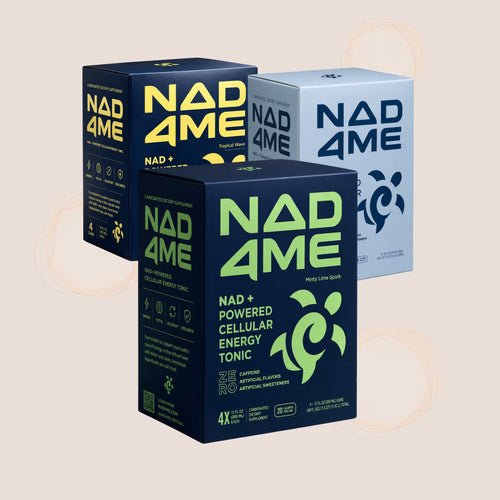
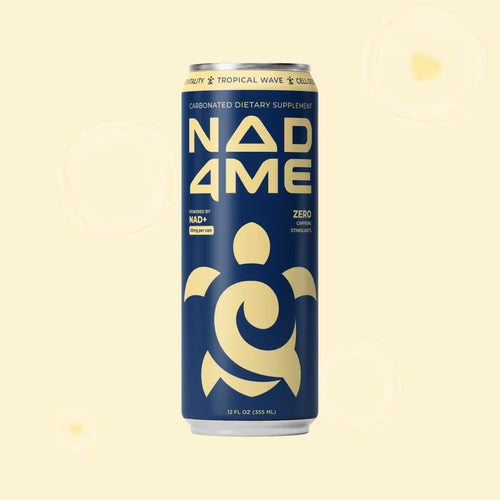
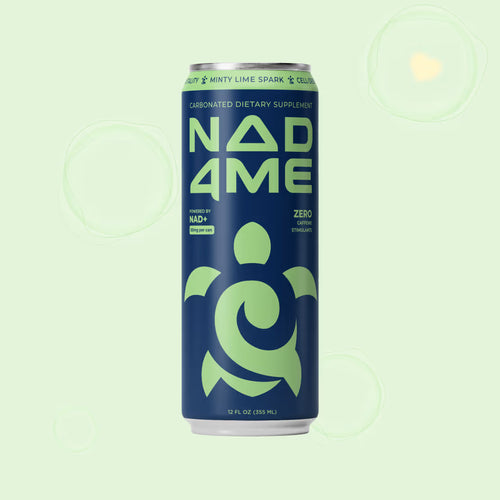
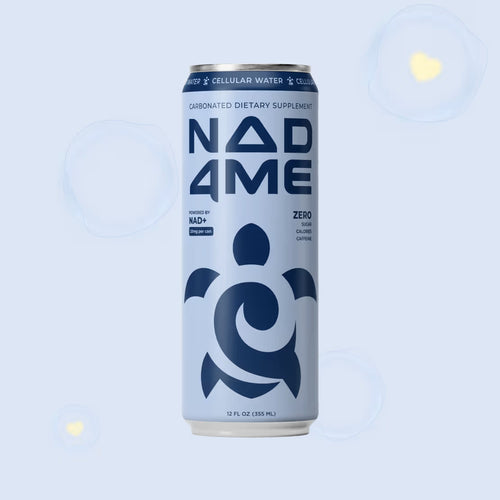
This is part of why brands like NAD&ME are attracting attention. The concept is not louder energy. It is more intelligent energy - support that speaks to clarity, steadiness, and recovery in a way traditional energy drinks never really did.
Still, expectations should stay grounded. A drink can support your routine, but it cannot outwork chronic stress, poor sleep, or under-fueling. The strongest formulas are partners to healthy habits, not replacements for them.
Signs a recovery drink is actually helping
You do not need a dramatic rush to know something is working. In fact, with recovery-focused energy, subtle is often better.
A good sign is that you feel more even. Your energy returns without a spike. Your mind feels clearer. You are less likely to hit a wall later in the day. You can train, work, and still have enough left for your evening. That kind of support may not be flashy, but it is far more useful than a short-lived buzz.
Another sign is consistency. If a beverage only feels good for 30 minutes and leaves you worse off later, it is not helping recovery. It is borrowing from tomorrow. The better test is whether it fits into your week without disrupting sleep, mood, or appetite.
So, is an energy drink for recovery worth it?
It can be - if you define energy the right way.
If you want a beverage that blasts through fatigue, the old stimulant model is easy to find. If you want something that supports a more stable return to focus, momentum, and vitality, the newer generation of recovery-oriented drinks is far more interesting. The real value is not in feeling amped. It is in feeling restored enough to keep showing up well.
Recovery is no longer a niche concern for athletes. It is a daily quality-of-life issue for anyone trying to perform without burning out. Choose a drink that respects that, and it stops being a gimmick. It becomes part of how you reclaim your energy without paying for it later.