Is NAD Safe for Daily Use? What to Know First
Is NAD safe for daily use? Research, practical precautions, and a caffeine-free approach to steady, everyday energy and vitality for calmer mornings.
The question “is NAD safe for daily use” deserves a more useful answer than a quick yes or no. NAD+ is already part of human biology, helping cells convert nutrients into usable energy and supporting essential processes tied to metabolism and cellular maintenance. But the safety of a daily NAD routine depends on the form, the dose, the full formula, and your own health context.
For most healthy adults, a thoughtfully formulated, label-directed NAD+ wellness beverage may fit comfortably into a daily routine. Still, “daily” should never mean automatic. The smarter approach is to understand what you are taking, pay attention to how you feel, and know when a conversation with a qualified healthcare professional is the right move.
What NAD+ Does in the Body
NAD+ stands for nicotinamide adenine dinucleotide. It is a coenzyme found in every living cell, where it plays a central role in the reactions that help turn food into cellular energy. Think of it less like a stimulant and more like a behind-the-scenes participant in the systems that keep your day moving.
That distinction matters for people trying to step away from the familiar caffeine cycle: a hard launch in the morning, a shaky midafternoon refill, and a tired-but-wired evening. NAD+ is not caffeine, and it does not work by forcing a jolt of nervous-system stimulation. A daily cellular wellness ritual is designed around a different kind of energy conversation - one centered on consistent support, not a dramatic spike.
NAD+ is also involved in pathways associated with normal cellular maintenance, including processes connected to DNA repair and metabolic function. The science around NAD biology is active and evolving, which is exciting. It also means responsible brands and consumers should avoid turning early or emerging findings into oversized promises.
Is NAD Safe for Daily Use in a Beverage?
For healthy adults, daily use is generally a question of formulation and individual tolerance rather than NAD+ being inherently foreign to the body. However, research on long-term, daily use of every possible NAD-related product is not equally extensive. A beverage containing stabilized NAD+ is not the same as a high-dose supplement protocol, an intravenous infusion, or a product built around NAD precursors.
That is why broad claims can be misleading. “NAD” has become shorthand for several very different wellness products, each with its own ingredients, delivery method, serving size, and research profile. The right question is not only whether NAD is safe daily. It is whether this specific product, at this specific serving, makes sense for you.
A well-made daily beverage should make that assessment easier. Look for transparent labeling, a clear serving recommendation, and a formula that avoids the usual energy-drink excesses. For many people, that means no caffeine, no stimulant blend hidden behind vague language, and no heavy sugar load that can work against the steady feeling they are after.
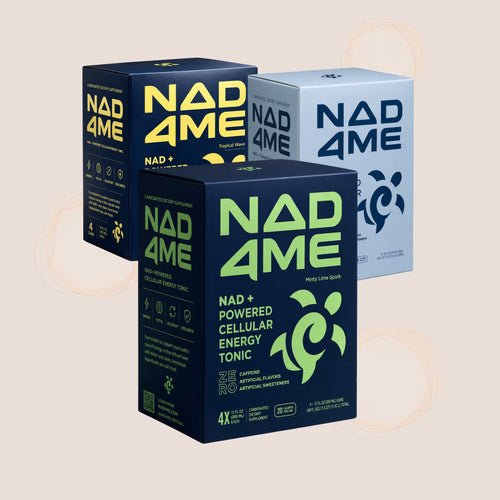
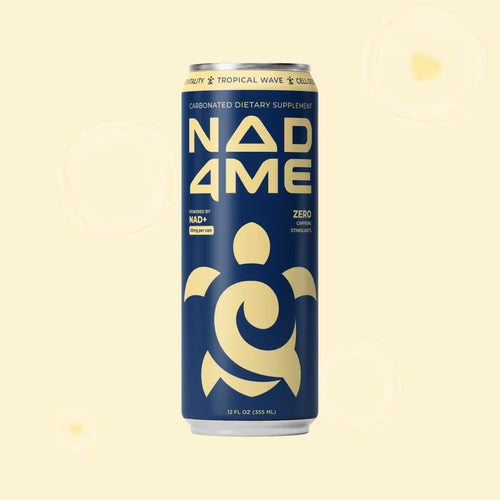
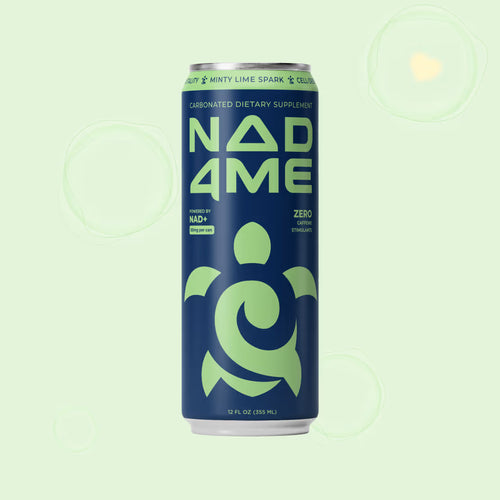
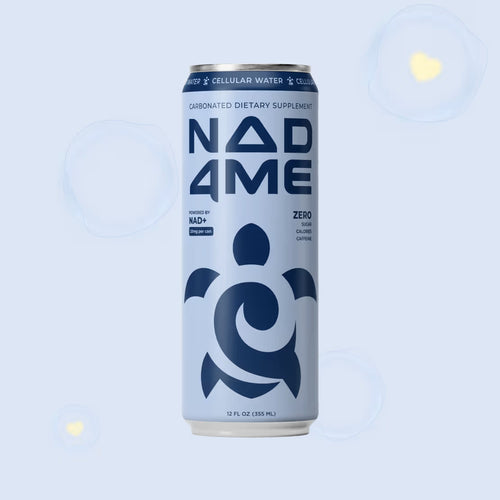
NAD4Me was created for precisely this shift in ritual: a cellular wellness drink built for people who want to move beyond the energy-drink crash. Its formula pairs stabilized NAD+ with supportive ingredients including L-tryptophan, trigonelline, ergothioneine, inositol, and essential B vitamins, without relying on caffeine for its identity.
Daily Use Depends on More Than One Ingredient
A product can contain NAD+ and still be a poor fit if the rest of the formula does not agree with you. Safety is always about the whole picture.
B vitamins, for example, are common in functional beverages because of their role in normal energy metabolism. Yet more is not always better. High amounts of certain B vitamins may not be appropriate for everyone, especially when they are stacked with a multivitamin, pre-workout powder, fortified foods, and other supplements.
L-tryptophan is an amino acid involved in normal biological pathways. It may be a reason to pause and ask a clinician or pharmacist for guidance if you take prescription medications that affect serotonin signaling. This is not a reason for panic. It is a reminder that a wellness routine should work with your existing care plan, not in a silo.
Other supportive compounds may be well tolerated at label-directed amounts, but individual experience can still vary. If you notice digestive discomfort, headaches, unusual fatigue, skin flushing, sleep changes, or any symptom that feels out of character after starting a product, stop using it and seek personalized guidance. Your body is useful data.
Who Should Check With a Healthcare Professional First?
A daily NAD+ beverage is not a substitute for medical advice, treatment, or prescribed nutrition support. If you are pregnant, breastfeeding, managing a medical condition, preparing for surgery, or taking prescription medications, check with your healthcare professional before adding a new NAD-focused product to your routine.
The same applies if you are under active medical care, including oncology care, or have a history of sensitivities to supplements or functional ingredients. NAD biology intersects with many normal processes in the body, and personalized guidance is more valuable than internet certainty.
Adults under 18 should not assume that an adult-focused wellness beverage is appropriate for them. And if you have ever had an allergic reaction to an ingredient in a formula, that product is not the place to “try again.” Read the full label every time, especially if formulas change.
How to Build a Smarter Daily NAD Routine
The best daily routine is intentionally boring in the best way: consistent, easy to follow, and free from the feeling that you need to push harder every week. Start with the labeled serving. Do not double up because you had a short night, a demanding workout, or an overloaded calendar.
Give yourself a brief observation window when trying anything new. Notice how your energy feels across a normal workday, whether your focus feels steady, and how the routine fits with sleep, meals, hydration, and exercise. One beverage cannot compensate for chronic sleep debt or a calendar with no recovery built in. But it can become a better choice within a system that supports you.
Timing is personal. Some people prefer a cellular wellness drink in the morning as part of their first-work-block ritual. Others reach for it before an afternoon stretch that would normally send them toward coffee. If a formula seems to affect your sleep or digestion, move the timing earlier or discontinue use and reassess.
Avoid stacking multiple new products at once. Adding an NAD beverage, a new multivitamin, an adaptogen powder, and a high-dose supplement protocol on the same Monday makes it difficult to know what is helping and what is not. Start simple. Let your routine earn its place.
The Caffeine-Free Advantage Has a Practical Limit
Choosing a zero-caffeine energy alternative can be a meaningful upgrade for people who are sensitive to stimulants or tired of planning their day around the next coffee. It may help create a calmer energy ritual, particularly later in the day when caffeine can interfere with sleep for some people.
But caffeine-free does not mean consequence-free, and it does not mean every formula is right for every person. It simply removes one common source of jitters, crashes, and late-day overstimulation. The rest still comes down to ingredients, dose, quality, and your own response.
The goal is not to chase a more intense version of energy. It is to reclaim a steadier relationship with it. Choose products with a clear purpose, take them as directed, and let your daily vitality ritual support the life you actually want to live - focused mornings, capable afternoons, and enough calm left for the evening.