Is NAD for Energy Support Worth It?
Curious about nad for energy support? Learn how it fits cellular energy, why it feels different from caffeine, and what to expect daily.
That 2 p.m. drop is not always about needing more caffeine. For a lot of people, it is about wanting steadier output, clearer thinking, and energy that does not feel borrowed. That is exactly why interest in nad for energy support has moved from niche wellness circles into everyday routines.
NAD+ has become part of a bigger conversation about how energy is actually made in the body. Not hype energy. Not stimulant energy. Real cellular energy - the kind tied to metabolism, recovery, and how well you move through a demanding day. If you are looking for a cleaner way to feel switched on, NAD+ is worth understanding.
What NAD for energy support actually means
NAD+ is a coenzyme found naturally in the body. It plays a central role in the processes that help cells convert nutrients into usable energy. In plain English, it is involved in the machinery behind how your body powers itself.
That distinction matters. When people talk about energy, they often mean alertness. Caffeine can create that feeling fast. But alertness and energy are not the same thing. Alertness is the sensation of being more awake. Energy support is about helping the body do the work of producing and managing energy more efficiently.
So when someone looks into NAD for energy support, they are usually not asking for a jolt. They are asking for something more stable - better mornings, less brain fog in the afternoon, and fewer moments where the day feels like a grind.
Why it feels different from caffeine
Caffeine has a clear job. It stimulates the nervous system and helps reduce the perception of fatigue for a period of time. That can be useful. It can also come with trade-offs, especially if you are sensitive to stimulants or already running on stress.
The trade-offs are familiar: jitters, a sharp rise followed by a drop, disrupted sleep, and the feeling that tomorrow's energy depends on repeating the cycle. For some people, that is manageable. For others, it becomes the problem they are trying to solve.
NAD+-centered energy support appeals to a different goal. Instead of pushing the system harder, the idea is to support the cellular processes behind sustained output. The result people often look for is a more natural-feeling lift - present, clear, and steady rather than buzzy or intense.
That does not mean NAD+ and caffeine are interchangeable. They are not. If you want a dramatic immediate kick before a late-night drive or an early workout, caffeine may still feel stronger. If you want something that fits daily wellness, focus, and consistency, NAD+ makes sense in a different category.
The bigger picture: cellular energy, not just stimulation
Modern energy habits often miss the root issue. More coffee, more pre-workout, more sugar, more effort. But if your baseline feels off, stacking stimulants can start to feel like a patch, not a solution.
Cellular energy is a more useful frame. Your cells are constantly producing energy to support movement, thinking, recovery, and daily function. That work depends on a network of nutrients and cofactors, and NAD+ is part of that picture.
This is why the conversation around NAD+ resonates with wellness-minded adults. It aligns with a broader shift away from short-term stimulation and toward better systems. People are not just trying to get through the day anymore. They want energy that supports work, workouts, social life, and recovery without leaving them depleted by evening.
What to expect from NAD for energy support
The most helpful expectation is this: think steady, not extreme.
A stimulant-heavy drink can feel obvious within minutes. NAD+-based support is usually a subtler experience. Many people are not looking for heart-racing intensity anyway. They want smoother mornings, more consistent focus, and fewer crashes.
That is why ritual matters. Products built around NAD+ are often positioned less like emergency fuel and more like daily support. Used that way, they can fit into routines built around sleep, hydration, movement, and nutrition rather than competing with them.
It also depends on the formula. NAD+ on its own tells only part of the story. The surrounding ingredients can shape the experience in practical ways, whether that means helping support calm focus, metabolic function, or overall vitality. A smarter formula tends to feel more complete than a one-ingredient concept.
Why formulation matters more than trend appeal
Not every product talking about cellular energy is created with the same level of thought. This category is growing quickly, and that means consumers need to look past buzzwords.
A credible formula should make sense both biologically and practically. That means using ingredients that complement the energy story instead of crowding it with stimulants or flashy additives. Supportive nutrients such as B-vitamins can help connect the formula to everyday energy metabolism. Other compounds may be chosen for focus, recovery, or overall wellness positioning.
The delivery format matters too. A beverage can be easier to turn into a daily ritual than a complicated supplement stack. That is part of the appeal for people who want wellness to fit real life. If the routine is simple, the habit is more likely to stick.
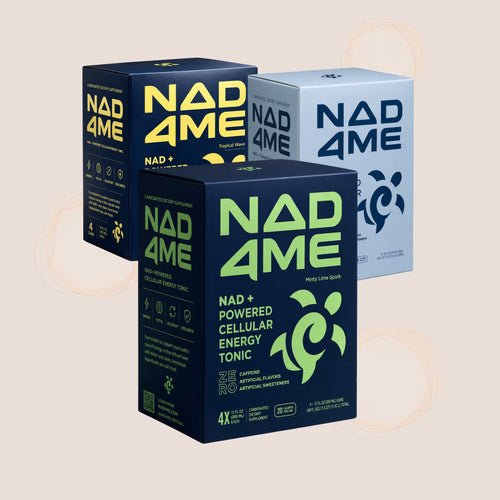
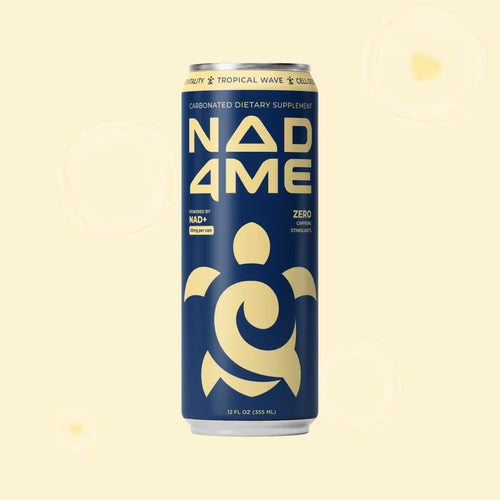
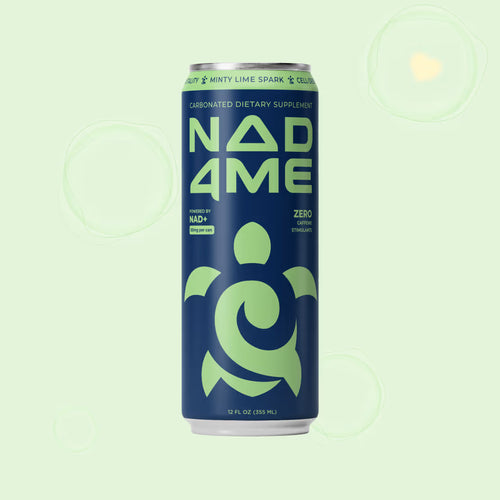
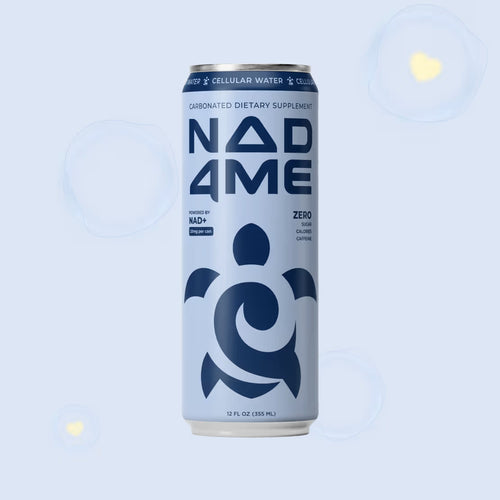
This is where a brand like NAD&ME stands out. It frames energy as a cellular wellness ritual, not a caffeine arms race. That positioning feels timely because so many consumers are over the old model of artificial highs followed by burnout.
Who NAD for energy support makes the most sense for
This approach tends to resonate with people who are done negotiating with caffeine. Maybe coffee now feels harsh. Maybe energy drinks create a spike you no longer enjoy. Maybe your afternoons feel foggy even when your intake is high.
It also makes sense for people who already think in terms of recovery and longevity-minded habits. If you care about sleep quality, consistent training, clearer workdays, and feeling more like yourself, a cellular approach to energy can be a natural fit.
That said, it is not a magic fix. If your energy is being dragged down by poor sleep, chaotic nutrition, chronic stress, or an overloaded schedule, no beverage should be expected to carry the full load. The best results usually come when a product supports an already improving routine.
That is not a drawback. It is actually a sign of a more mature wellness category. The goal is not to override your biology. The goal is to work with it.
How to evaluate an NAD energy product
If you are comparing options, the smartest question is not just does it have NAD+. Ask what kind of experience the formula is designed to create.
Is it built for calm, sustained energy or for high-intensity stimulation? Does it rely on sugar or caffeine to make you feel something immediately? Does the ingredient list look intentional, with support for energy metabolism and clarity, or does it read like trend stacking?
Also pay attention to how the product fits your day. Some people want a morning ritual that replaces their second coffee. Others want an afternoon option that supports focus without affecting sleep later. The right fit depends on your actual pattern of fatigue, not just what sounds impressive on the label.
The trade-off no one should ignore
Here is the honest part. If your benchmark for energy is the strong hit of a conventional energy drink, NAD+-based support may feel quieter at first. That is not a flaw. It is often the point.
A lot of consumers have been conditioned to equate energy with intensity. But intensity is not always what helps you perform better across a full day. Sometimes the better outcome is a leveler experience - fewer peaks, fewer crashes, and more control over how you feel.
That trade-off is worth considering carefully. If you want stimulation, choose stimulation. If you want steadier energy that aligns with a wellness-forward lifestyle, NAD+ becomes more compelling.
Why this category is growing now
People are more informed than they were even a few years ago. They read ingredient panels. They think about metabolism, recovery, and healthy aging. They want products that match how they live, not products that leave them frazzled by noon.
That is why NAD for energy support feels bigger than a passing trend. It meets a real demand for alternatives to sugar-heavy, caffeine-loaded products. It also speaks to a deeper shift in what consumers want from wellness: not just more output, but better energy quality.
And that may be the real appeal. Better energy is not always louder. Sometimes it is simply the return of a steadier rhythm - clear enough to focus, smooth enough to sustain, and balanced enough to still feel good when the day is over.