NAD Supplement vs Energy Drink - Which Fits?
NAD supplement vs energy drink: compare caffeine stimulation and cellular wellness support for steady energy, clear focus, and calmer evenings every day.
The 3 p.m. slump is where most energy decisions get made. You are staring at another meeting, a workout, or a crowded inbox, and the fastest-looking answer is usually a cold can packed with caffeine. But the NAD supplement vs energy drink conversation asks a better question: Do you want to force a temporary jolt, or support the cellular processes behind how your body makes and uses energy?
That distinction matters when you want to feel switched on now without paying for it later. Traditional energy drinks and NAD-focused wellness products can both fit under the broad label of “energy,” but they work from very different playbooks.
NAD Supplement vs Energy Drink: The Core Difference
A conventional energy drink is typically built around stimulation. Caffeine is the headline ingredient, often paired with sugar or sweeteners, B-vitamins, amino acids, and botanical extracts. Caffeine works primarily by blocking adenosine receptors, which can make you feel more alert and less aware of fatigue for a period of time.
That can be useful. A caffeine drink may be a practical choice before an early drive or on an occasional long day when you already know caffeine agrees with you. The trade-off is familiar to many people: jitters, a racing feeling, digestive discomfort, disrupted sleep, or a drop in energy when the stimulant effect wears off. Sensitivity varies widely, and timing matters just as much as dose.
An NAD supplement takes a different route. NAD+ is a naturally occurring coenzyme involved in cellular energy metabolism, including the processes that help convert nutrients into usable cellular energy. It also participates in many normal cellular functions connected to metabolism and cellular maintenance.
NAD supplements are not all the same. Some use ingredients related to NAD+ pathways, while others provide NAD+ in a beverage or capsule format. Formulations, serving sizes, delivery systems, and supporting ingredients differ substantially, so the front of the package never tells the whole story. Read the Supplement Facts or Nutrition Facts panel, not just the promise on the can.
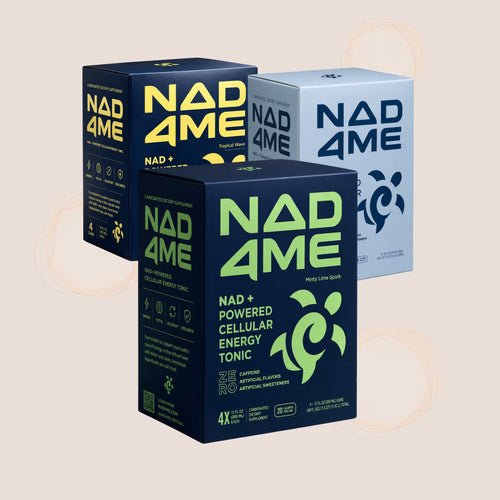
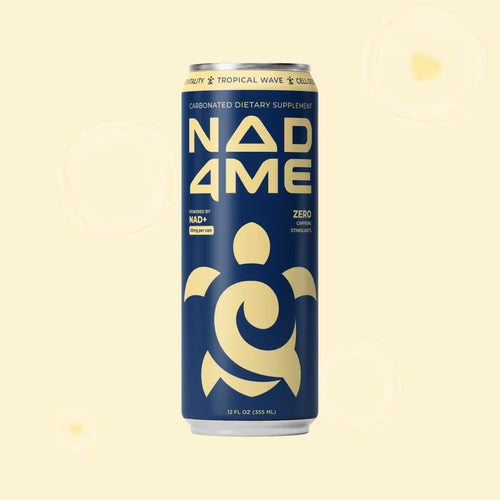
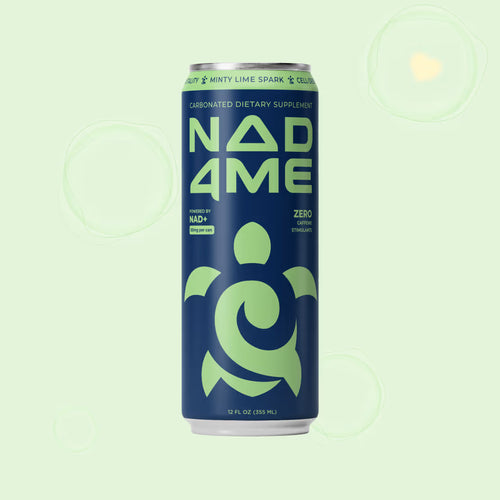
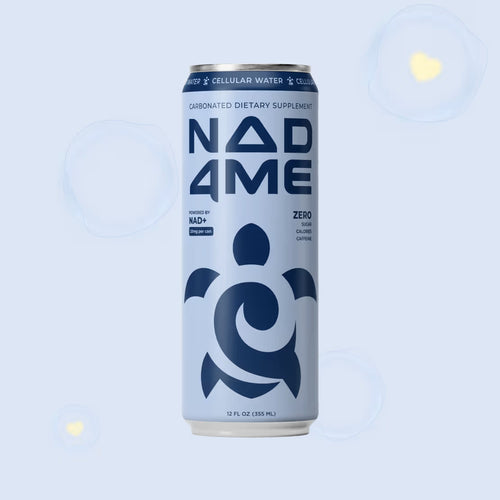
A cellular wellness drink such as NAD4Me is designed for people who want an energy ritual without caffeine. Its stabilized NAD+ formula is paired with supportive ingredients including L-tryptophan, trigonelline, ergothioneine, inositol, and essential B-vitamins. The goal is not to imitate the sharp edge of a stimulant. It is to support a more grounded, natural-feeling sense of daily vitality.
What “Energy” Actually Feels Like
The biggest source of confusion is that the word energy describes two very different experiences.
Stimulant energy often feels immediate. You may notice heightened alertness, increased drive, and a stronger push to start. For some people, that sensation is productive. For others, it comes with tension, scattered focus, or an uncomfortable dependence on the next dose.
Cellular wellness support is usually a different expectation. It is less about a dramatic hit and more about building a routine that supports clear-headed, sustainable days. Think better morning momentum, steadier concentration through a busy afternoon, and an evening that does not feel borrowed from tomorrow’s sleep.
Neither experience is automatically right or wrong. A person who enjoys coffee early in the day and sleeps well may not need to avoid caffeine entirely. But if you regularly use energy drinks to outrun poor sleep, skipped meals, relentless stress, or an overloaded schedule, more stimulation can become a loop rather than a solution.
Why the Crash Is Not Just About Willpower
The classic energy-drink crash is not a character flaw. Caffeine can mask feelings of tiredness, and sugary formulas may add a rapid rise-and-fall dynamic for some people. Add a drink late in the day, and the stimulant can push into the hours when your body needs to wind down.
Sleep is where the equation gets personal. Even if you fall asleep after caffeine, your sleep quality and next-day readiness may not feel the same. That can make tomorrow’s energy drink feel necessary, which is how a convenient habit turns into a daily dependency.
A zero-caffeine option offers a different kind of flexibility. You can build it into your morning routine, use it before a demanding afternoon, or reach for it on a day when you want support without deciding whether it is too late for caffeine. That does not mean a caffeine-free product replaces sleep, hydration, nutrition, or recovery. It means your energy ritual does not have to compete with them.
Choosing the Right Format for Your Routine
A capsule or powder NAD supplement may appeal if you prefer a minimal, precise supplement routine. It can be easy to stack alongside existing habits, especially for people who already take daily vitamins or travel often. The downside is that supplements can feel disconnected from the moment you need them. They are easy to forget, and a capsule does not always create the same satisfying pause as a beverage ritual.
A functional NAD+ drink makes sense for someone replacing a habitual afternoon energy drink, soda, or second coffee. The format is familiar, refreshing, and built for the moment when you would normally reach for stimulation. It can turn “I need another coffee” into a more intentional choice.
Traditional energy drinks may still have a place for occasional, caffeine-tolerant adults who want short-term alertness and understand their personal limits. The key is honesty about the use case. If you need a once-in-a-while lift, caffeine may deliver the sensation you expect. If you are looking for a daily vitality practice that supports focus without the stimulant cycle, a cellular wellness drink is the more aligned category.
Look Beyond the Front Label
The best comparison is not NAD+ versus caffeine in isolation. It is the entire formula, your habits, and the outcome you want from it.
When evaluating a product, look for a clear ingredient panel and serving information. Notice whether caffeine is present and how much. Check for added sugar, especially if you are using the drink frequently. Consider supportive ingredients, but do not assume that a long list automatically means a better formula. More is not always more thoughtful.
It also helps to ask practical questions: Can I use this at 2 p.m. without worrying about bedtime? Does it fit my training, work, and recovery routine? Do I feel focused and calm, or wired and depleted? Am I choosing it because I enjoy the ritual, or because I cannot function without it?
For people managing medications, pregnancy, nursing, a health condition, or individual ingredient sensitivities, a qualified healthcare professional can help assess whether a new supplement or functional beverage belongs in their routine. “Natural” is not a substitute for personal context.
A Better Standard for Daily Energy
The future of energy has no caffeine - at least, it does not have to. The standard does not need to be how intensely a drink makes you feel in the first 20 minutes. A better standard is whether it helps you show up for your work, movement, relationships, and recovery without creating a trade-off you feel later.
If caffeine still serves you well, use it with intention rather than reflex. If you are ready to step out of the jitter-crash-repeat cycle, cellular wellness offers a compelling alternative. Choose the routine that helps you bring more presence to the day and leave enough energy for the life waiting after it.