NAD+ Versus Caffeine for Steadier Daily Energy
NAD+ versus caffeine compares cellular energy support with stimulation, so you can choose a clearer, steadier daily energy routine without the crash.
That 3 p.m. reach for another coffee is rarely about taste. It is usually a response to dwindling focus, a long to-do list, and the familiar feeling that your energy has checked out before your day has. In the NAD+ versus caffeine conversation, the real question is not which ingredient is stronger. It is whether you want to stimulate your system for a short-term lift or support the cellular processes that help power everyday life.
Caffeine has earned its place in many morning routines. It can make you feel more alert quickly, and for some people, a cup of coffee is a genuinely enjoyable ritual. But fast stimulation is not the same as sustained energy. If your routine leaves you wired, depleted, foggy later in the day, or unable to wind down at night, it may be time to rethink what “energy” should feel like.
NAD+ Versus Caffeine: Two Different Paths to Energy
Caffeine works primarily by blocking adenosine receptors in the brain. Adenosine is a compound associated with sleep pressure, so when caffeine gets in the way, tiredness can feel temporarily less noticeable. The effect can be useful when you need a rapid mental lift, but it does not create more rest or replace the basics that support energy: sleep, nourishment, hydration, movement, and recovery.
NAD+, short for nicotinamide adenine dinucleotide, has a very different role. It is a naturally occurring coenzyme involved in cellular energy metabolism. Your cells use it in processes that help convert the food you eat into usable energy. It also participates in cellular functions connected to metabolic health and normal cellular maintenance.
That distinction matters. Caffeine changes how awake you feel. NAD+ is part of the biological machinery involved in how cells process energy. One is a stimulant. The other is central to cellular function.
Neither approach needs to be framed as universally right or wrong. A person who enjoys a morning espresso and sleeps well may have a very different relationship with caffeine than someone relying on multiple energy drinks to get through the workday. But if you are looking for energy that feels less like a spike and more like a steady baseline, the difference becomes meaningful.
Why the Caffeine Cycle Can Feel So Draining
Caffeine's effects vary widely based on dose, timing, genetics, tolerance, food intake, stress, and sleep. A small coffee early in the morning may feel completely manageable. A large cold brew after lunch can be a different story.
The problem is often not caffeine itself. It is the cycle it can create. You wake up tired, use caffeine to push through, then experience a drop in energy or focus. You reach for more caffeine, which may interfere with your ability to settle into restorative sleep later. The next morning, you need another boost to compensate.
For wellness-minded adults, that cycle can clash with the routines they are trying to build. You may train consistently, prioritize protein, take your recovery seriously, and still find that stimulant-driven energy makes your days feel uneven. A sharp surge followed by irritability, jitters, a racing mind, or an evening slump is not the same as feeling energized.
High-caffeine energy drinks can add another complication: sugar, artificial ingredients, or oversized doses designed to feel intense. They may be marketed as performance tools, but intensity is not always what a demanding schedule needs. Often, the better goal is clear-headed consistency.
Cellular Energy Is Not a Buzz
The future of energy has no caffeine because energy should not have to feel like a buzz.
Cellular energy is quieter. It looks like getting through a meeting without mentally fading halfway through. It looks like having enough presence for your workout after work, then still being able to relax at night. It looks like fewer moments when your body feels like it is running on urgency alone.
NAD+ is often discussed in longevity and wellness circles because of its role in energy metabolism and cellular processes. The science is compelling, but the practical takeaway is simple: your daily energy is not just a brain-state problem. It is a whole-body, cellular experience.
That is why a cellular wellness ritual can feel so different from another stimulant. Rather than asking your nervous system to override fatigue, it supports an energy-minded routine built around how the body works. It is not a substitute for sleep or a license to ignore burnout. It is a more thoughtful way to approach the energy you bring to your day.
What a Zero-Caffeine Energy Ritual Can Offer
A zero-caffeine option is especially appealing when you want to protect your sleep, reduce your reliance on stimulants, or simply stop treating the afternoon crash as inevitable. Without caffeine in the equation, you are not trying to time a stimulant around meetings, workouts, and bedtime.
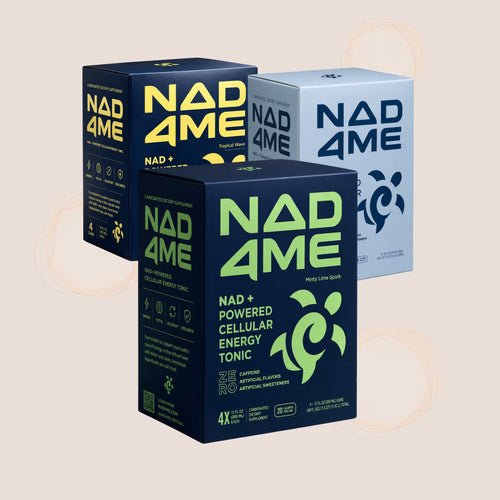
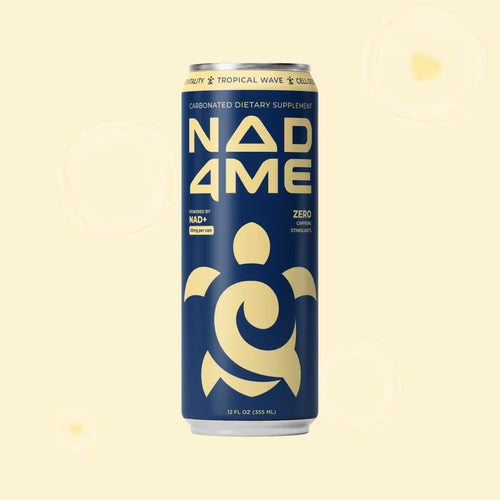
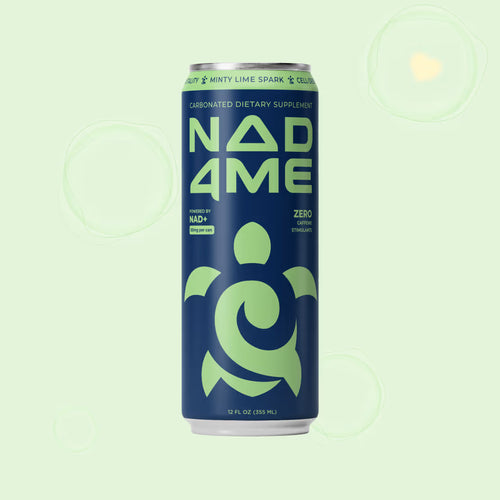
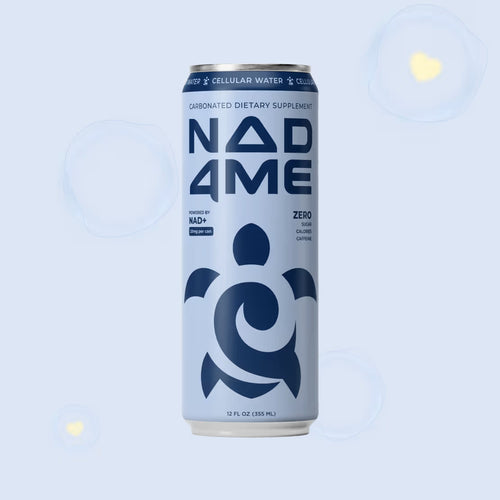
NAD4Me was created for this shift in perspective. It is a cellular wellness drink built with stabilized NAD+ and complementary ingredients including L-tryptophan, trigonelline, ergothioneine, inositol, and essential B-vitamins. The formulation is designed for people who want a cleaner daily vitality ritual without caffeine or the sugar-heavy energy-drink experience.
Each ingredient has a place in a modern wellness routine. B-vitamins are widely recognized for their role in normal energy-yielding metabolism. Ergothioneine is valued in nutritional science for its antioxidant properties. Inositol and L-tryptophan are familiar to consumers seeking a more considered approach to daily wellness. Together, these ingredients reflect a simple idea: energy should work with your lifestyle, not against it.
That does not mean every person will feel the same thing, or that one beverage can solve chronic exhaustion. Persistent fatigue deserves a conversation with a qualified healthcare professional. But for the everyday dips that come with busy schedules, a stimulant-free ritual can be a welcome change from the usual caffeine reflex.
Should You Quit Caffeine Completely?
Not necessarily. The best answer depends on your body, your habits, and what you want from your routine.
If you love coffee, tolerate it well, and keep it to a reasonable amount early in the day, there may be no need for an all-or-nothing rule. The goal is not to make caffeine the villain. It is to notice whether it is serving you or covering up a routine that leaves you feeling depleted.
A useful experiment is to separate your caffeine habit from your energy needs. Keep your morning coffee if you want it, but skip the second or third stimulant hit. Build a more supportive afternoon ritual instead. Pay attention to your concentration, mood, workout consistency, and ability to fall asleep. The clearest answer often comes from how steady you feel over a full week, not from the first hour after a drink.
People who are more sensitive to caffeine may prefer to step away from it entirely. This can include those who feel jittery after small amounts, struggle with late-day anxiety, or find that even morning caffeine affects nighttime rest. Others may choose caffeine only occasionally, saving it for travel, early starts, or especially demanding days.
How to Make the Shift Feel Realistic
Swapping a stimulant habit works best when you replace the ritual, not just the ingredient. If your afternoon energy drink marks the moment you reset between work and the rest of life, create a new cue. Reach for a chilled cellular wellness drink, take a short walk outside, eat a balanced snack, refill your water, or spend five minutes away from your screen.
Consistency matters more than intensity. Start with a daily routine you can actually maintain, especially at the time when you usually reach for caffeine. That may be before a morning commute, after lunch, before training, or during the stretch of the day when brain fog tends to arrive.
It also helps to protect the foundations. A zero-caffeine drink fits best alongside adequate sleep, regular meals, hydration, and movement. These habits are not flashy, but they are the conditions that make sustained energy possible.
Choose Energy That Lets You Feel Like Yourself
The NAD+ versus caffeine choice is ultimately about the kind of day you want to have. Do you want an urgent lift that may ask for a trade-off later, or a more intentional way to support your everyday vitality?
Caffeine can have a place. But it should not be the only answer to low energy, fading focus, and afternoon burnout. A cellular approach invites you to move beyond the spike-and-crash mindset and toward energy that feels clearer, calmer, and more compatible with the life you are building.
Start by paying attention to the hours after the boost. The best energy routine is the one that helps you show up now without borrowing from your sleep, recovery, or tomorrow.