Wellness Drinks for Afternoon Slump Relief
Wellness drinks for afternoon slump support can help you reset with hydration, balanced nutrition, and steady, caffeine-free energy to support daily habits.
At 2:47 p.m., the day can suddenly feel much longer than it did at 9 a.m. Your focus softens, the tab-switching begins, and the easiest answer seems to be another coffee or something sweet. But the best wellness drinks for afternoon slump support are not always the loudest or most stimulating. They are the ones that help you reset without borrowing energy from the rest of your day.
That distinction matters. A drink that gives you a quick jolt may get you through a meeting, but it can also leave you wired late, hungry an hour later, or reaching for another pick-me-up tomorrow. A better afternoon ritual supports the way you want to feel at 5 p.m. too: clear, capable, and still yourself.
Why the Afternoon Slump Hits So Hard
The afternoon slump is not a personal failure or a productivity problem. It is often the predictable result of a full morning: mental output, back-to-back decisions, a hurried lunch, inconsistent hydration, and sleep that may not have been as restorative as you needed.
Your internal body clock also plays a role. Many people experience a natural dip in alertness in the early to mid-afternoon. Add a lunch high in refined carbohydrates, a dehydrating commute, or caffeine that is beginning to wear off, and that dip can feel like a wall.
The usual response is to override the signal. More caffeine. More sugar. A giant snack. Sometimes that is fine, especially if you genuinely enjoy an afternoon coffee and it does not interfere with your sleep. But if your energy routine repeatedly ends in a crash, jitters, or evening burnout, it is worth choosing a different kind of support.
What to Look for in Wellness Drinks for Afternoon Slump Support
The right drink depends on what is actually behind your low-energy moment. If you have barely had water all day, hydration may be the most useful first step. If lunch was light or you are physically hungry, a drink cannot replace a nourishing meal or snack. If you are mentally depleted, the goal may be a clearer, steadier ritual rather than a bigger stimulation hit.
Look for a formula with a purpose. That can mean electrolytes for a hot day or post-workout afternoon, protein for staying power, or functional ingredients chosen to complement daily energy and focus. It can also mean skipping what you do not want: added sugar that sends your energy on a roller coaster, excessive caffeine, or an ingredient panel that reads more like a chemistry exam than a wellness routine.
A useful question is simple: how do you want to feel later? Not just in the next 20 minutes, but at dinner, during your workout, and when your head hits the pillow. Sustainable energy choices begin with that longer view.
Hydration is the underrated reset
Even mild dehydration can make an already demanding afternoon feel heavier. Water is a credible wellness drink, full stop. If plain water feels uninspiring, sparkling water, unsweetened herbal tea, or water with citrus can make it easier to drink consistently.
For days with intense heat, long travel, or sweat-heavy exercise, an electrolyte drink may be a sensible option. Read the label rather than assuming every electrolyte product is balanced. Some are designed for endurance athletes and can contain more sodium or sugar than your average desk-bound afternoon requires.
Protein and fiber help when hunger is the real issue
If you ate lunch at noon and your energy falls apart at 3 p.m., your body may be asking for fuel, not another beverage ritual. A lower-sugar protein shake or smoothie with protein, fiber, and whole-food ingredients can be more satisfying than a sweet coffee drink.
This is where context matters. A protein-forward drink can be practical between meetings, but it is not automatically better than a snack with yogurt, fruit, nuts, or a balanced lunch. Choose the option you will actually enjoy and tolerate well. Some people find certain protein powders or added fibers hard on digestion, particularly when consumed quickly.
Caffeine-free functional drinks offer another lane
Caffeine is not the only way to approach energy. For people who feel overstimulated, experience the late-day coffee-to-poor-sleep loop, or simply want a more intentional option, caffeine-free functional drinks can fit naturally into the afternoon.
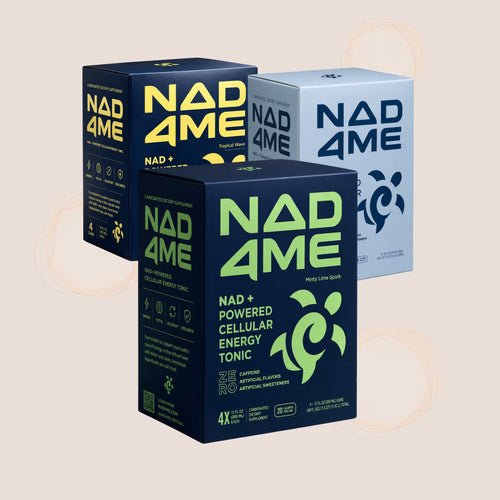
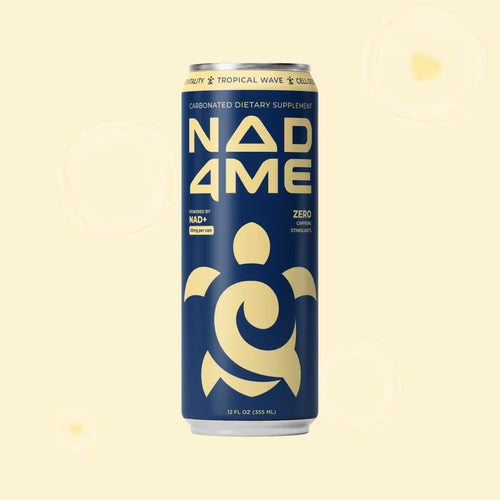
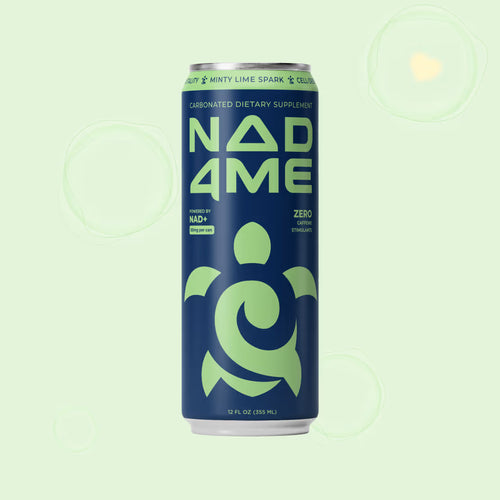
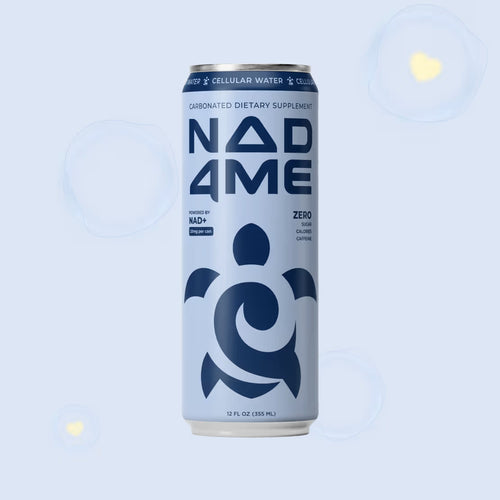
NAD&ME was built around this different approach: the future of energy has no caffeine. NAD4Me combines stabilized NAD+ with supportive ingredients including L-tryptophan, trigonelline, ergothioneine, inositol, and essential B-vitamins in a daily cellular wellness drink designed for a sustained, natural-feeling energy experience.
The language around cellular energy can sound technical, but the everyday goal is familiar: less dependence on the stimulation-crash cycle and more support for feeling mentally present through the second half of the day. Functional drinks are not a substitute for sleep, food, or stress management. They can, however, be a thoughtful part of a routine that is built for more than a quick rush.
How to Build an Afternoon Energy Ritual That Lasts
A drink works best when it is part of a pattern, not a rescue mission. Start by noticing when your slump arrives and what happens before it. Do you skip breakfast, eat lunch at your desk, or realize at 3 p.m. that your water bottle is still full? A few days of honest observation can reveal more than another productivity hack.
Try setting a brief reset window before the slump usually hits. Step outside for five minutes. Refill your water. Have a balanced snack if you are hungry. Choose a wellness drink that matches your needs, then return to your work with one clear priority instead of ten open tabs.
This small pause changes the role of the drink. It becomes a cue for a better transition, not a bandage for an impossible schedule. For professionals, that may mean protecting the last focused block of the workday. For parents, it may mean creating enough steadiness for the handoff between work and home. For fitness-minded people, it may mean arriving at an evening workout with something left in the tank.
Timing matters, too. If caffeine affects your sleep, consider moving your final caffeinated drink earlier and reserving the afternoon for caffeine-free choices. The exact cutoff varies widely based on sensitivity, amount consumed, and bedtime, so pay attention to your own pattern rather than following a universal rule.
The Trade-Off Behind a Quick Energy Fix
There is nothing inherently wrong with coffee, tea, or the occasional energy drink. They can be enjoyable and useful. The problem starts when you need escalating amounts just to feel normal, or when an afternoon boost consistently compromises your evening.
Sugar-heavy beverages can create a similar trade-off. They may taste great and provide fast calories, but they are often a poor match for someone seeking steadier focus. A zero-sugar option is not automatically ideal either. Sweeteners, acids, and functional ingredients can all feel different from person to person.
That is why ingredient literacy matters. Read serving sizes, notice stimulant amounts, and be realistic about what any beverage can do. If persistent fatigue is new, severe, or disruptive to daily life, it deserves a conversation with a qualified healthcare professional rather than another drink from the fridge.
Make the 3 P.M. Choice a Vote for Your Evening
The afternoon slump is a daily crossroads. You can chase a spike and hope the crash waits until later, or choose a ritual that respects the rest of your day. Keep water close, eat enough at lunch, move when you can, and choose functional support that aligns with your sleep, focus, and long-term vitality goals.
Your best afternoon drink is not necessarily the one with the biggest promise on the can. It is the one that helps you reclaim the next few hours without asking tomorrow's energy to pay for it.