What Does Trigonelline Do for Daily Energy?
What does trigonelline do? Learn how this plant compound supports cellular energy, metabolism, and a clear, steady daily vitality routine without caffeine.
That clear-headed feeling after a great morning routine should not depend on another coffee. For people looking beyond stimulants, the question is simple: what does trigonelline do? This naturally occurring plant compound is gaining attention for its relationship to cellular energy pathways, metabolic health, and the kind of steady vitality that fits a long day.
Trigonelline is not a stimulant. It does not work like caffeine, and it is not designed to create a sudden jolt. Its appeal is more foundational: it is a nutrient-related compound being studied for the way it may support healthy cellular function. That makes it a compelling ingredient for anyone who wants to feel switched on without building their day around spikes, crashes, and another late-afternoon coffee.
What Is Trigonelline?
Trigonelline is a naturally occurring alkaloid found in foods including coffee, fenugreek seeds, peas, and certain whole grains. It is also present in the human body in small amounts. Chemically, it is related to niacin, also known as vitamin B3, a nutrient involved in the body’s normal energy metabolism.
Coffee is one of the better-known dietary sources, though trigonelline itself is not responsible for coffee’s caffeine kick. In fact, roasting changes some of the trigonelline in coffee beans into other compounds, including niacin. That distinction matters. You can be interested in trigonelline’s role in wellness without wanting caffeine, sugar, or the wired feeling that often comes with conventional energy drinks.
Researchers are still mapping trigonelline’s full activity in humans. The current conversation is promising, but it should stay grounded: an ingredient is not a shortcut around sleep, nourishment, movement, or stress management. Think of trigonelline as one smart part of a broader cellular wellness ritual.
What Does Trigonelline Do in the Body?
Trigonelline is being studied for several interconnected roles. Much of the interest centers on metabolism and the cellular processes that help convert the food you eat into usable energy.
It supports the conversation around cellular energy
Every cell needs energy to do its work, from powering a demanding workout to helping you stay present through back-to-back meetings. That energy is produced through a complex network of cellular pathways, many involving mitochondria, often called the cell’s energy-producing structures.
Preclinical research suggests trigonelline may interact with pathways relevant to mitochondrial function and cellular metabolism. Translation: scientists are interested in whether it can help support the systems behind efficient energy handling at the cellular level. This is different from feeling an immediate buzz. It is a slower, more foundational way of thinking about daily energy.
Human research is still developing, so it would be premature to promise a specific energy outcome from trigonelline alone. But its place in a formula designed around non-stimulant vitality makes biological sense: support the conditions for energy rather than forcing the nervous system into overdrive.
It is connected to vitamin B3 metabolism
Because trigonelline is structurally related to niacin, researchers also examine its relationship to vitamin B3 metabolism. Niacin is essential for normal energy-yielding metabolism, meaning it helps the body access energy from carbohydrates, fats, and proteins.
Trigonelline should not be treated as a replacement for adequate nutrition or as interchangeable with a prescribed nutrient regimen. Still, this relationship helps explain why the compound belongs in the wider discussion of cellular wellness. It is part of a family of molecules relevant to how the body manages fuel, not a stimulant added to mask exhaustion.
It may support metabolic resilience
Metabolic flexibility is the body’s ability to respond to changing energy demands. Some days require sustained mental focus. Others call for recovery after training, a long walk, travel, or simply not running on empty by 3 p.m.
Early laboratory and animal research has explored trigonelline’s potential role in pathways associated with glucose and lipid metabolism. These findings are interesting, but they are not a reason to self-treat a metabolic condition or replace medical guidance. For a generally health-conscious adult, the practical takeaway is more modest: trigonelline is a plant-derived compound worth watching as part of the science of healthy energy metabolism.
It has antioxidant-related research behind it
Cells constantly manage oxidative stress, a normal byproduct of metabolism and daily life. Exercise, poor sleep, environmental exposure, and a packed schedule can all influence that balance. Trigonelline has been studied for antioxidant-related activity in experimental settings, including its ability to influence protective cellular pathways.
That does not mean a single ingredient can erase the effects of chronic stress or an inconsistent routine. It does reinforce the value of a formula that looks beyond surface-level stimulation and considers the cellular environment that supports feeling your best.
Why Trigonelline Feels Different From Caffeine
The traditional energy-drink playbook is familiar: caffeine, sweeteners, a rapid lift, then a decision about whether to reach for more. That model can work for some people, but it is not ideal for everyone. If caffeine affects your sleep, makes you feel jittery, or leaves you mentally flat later in the day, more stimulation is not always the answer.
Trigonelline is not meant to replicate caffeine’s immediate sensation. It is better understood as a supportive ingredient in a cellular energy formula. The goal is not a rush. The goal is a steadier relationship with your day: more intentional mornings, fewer frantic fixes, and energy that does not ask you to sacrifice your evening.
That distinction is especially relevant for people who already prioritize protein, hydration, strength training, sleep consistency, and nutrient-dense meals. A non-stimulant functional beverage can complement those habits. It cannot replace them.
Trigonelline and NAD+ Science
Trigonelline often appears alongside ingredients associated with energy metabolism, including NAD+. NAD+ is a coenzyme found naturally in every living cell and is involved in fundamental processes related to cellular energy production and normal metabolic function.
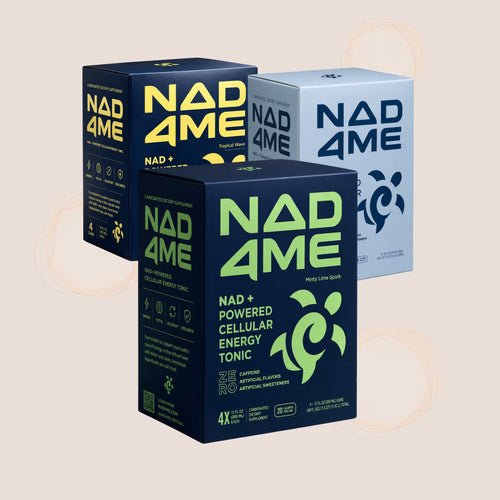
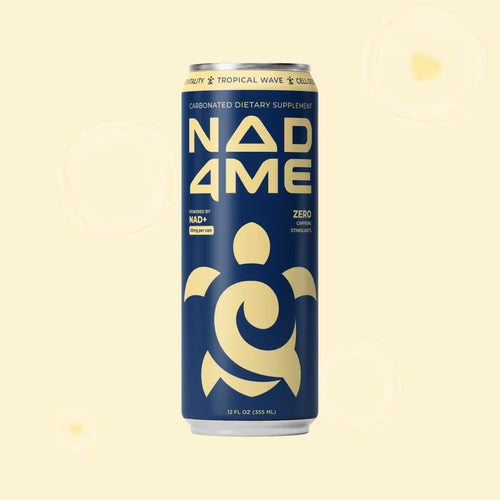
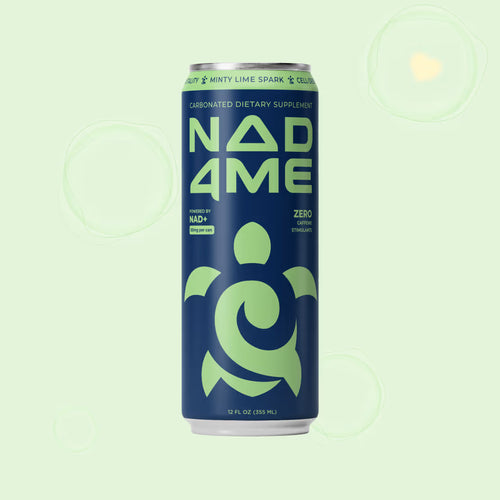
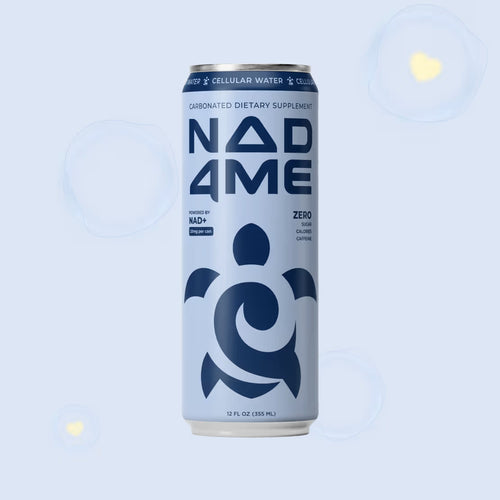
A thoughtful formula does not rely on one hero ingredient. It brings together compounds with complementary roles. In NAD&ME’s NAD4Me cellular wellness drink, trigonelline sits alongside stabilized NAD+, ergothioneine, L-tryptophan, inositol, and essential B-vitamins. The intention is clear: create a caffeine-free daily ritual that supports vitality from a more foundational angle than the standard energy shot.
The right expectation is not instant transformation. It is consistency. Many wellness habits deliver their best value when they become easy enough to repeat, whether that means replacing the second coffee, keeping a can at your desk, or making a more intentional choice before an afternoon slump.
Who May Appreciate a Trigonelline-Containing Formula?
Trigonelline is especially relevant for people who want to move away from stimulant dependence without giving up on feeling energized. That may include professionals navigating demanding workdays, active adults focused on training and recovery routines, or wellness-minded people who want mental clarity without the edge of caffeine.
It can also be a good fit for someone who is simply curious about the ingredients behind the label. Functional wellness is moving past vague promises. People want to know what a compound is, why it is included, and what research can and cannot say. That is the right instinct.
If you are pregnant, nursing, managing a health condition, taking medication, or have questions about a new supplement or functional beverage, check with a qualified healthcare professional first. Plant compounds can be useful parts of a routine, but personal context always matters.
A Better Question Than “Will I Feel It?”
With caffeine, the expected feeling is obvious. With trigonelline, a better question is whether it supports the kind of routine you want to keep. Can you choose energy without overstimulation? Can your afternoon ritual support focus without compromising sleep later? Can a beverage fit your wellness standards as well as your schedule?
The future of energy has room for a more considered answer. Choose ingredients that respect the biology behind your ambition, then give the basics equal attention: sleep deeply, eat enough, move regularly, hydrate well, and build rituals that help you show up with energy that feels like your own.