How to Support Healthy Aging Without Extremes
Learn how to support healthy aging with daily habits for sleep, strength, nutrition, stress, and steady cellular energy without chasing extremes for life.
Your future energy is shaped less by one perfect supplement, workout, or meal than by the ordinary choices you repeat when no one is watching. Learning how to support healthy aging means building a body and mind that can keep showing up - for demanding workdays, training sessions, travel, family, and the life you want to live.
Healthy aging is not about chasing a younger version of yourself. It is about protecting capacity: the ability to think clearly, move confidently, recover well, and maintain a sense of vitality over time. The most effective approach is rarely extreme. It is consistent, science-informed, and designed to fit real life.
Start With the Systems That Create Daily Energy
Energy is not just a feeling. At the cellular level, it is the result of countless processes that turn nutrients and oxygen into usable fuel. Mitochria play a central role in that work, and they are influenced by the signals your daily routine sends: movement, sleep, nourishment, stress load, and recovery.
That is why healthy aging should not be reduced to a number on a birthday cake or a single biomarker. You can support your healthspan by focusing on the foundations that help you feel capable now. The goal is not to run on adrenaline until you burn out. It is to create steadier energy that does not require a crash-and-recover cycle.
Build strength for the life ahead
Muscle is one of the most practical investments you can make in healthy aging. Strength supports mobility, balance, bone health, glucose management, and the simple freedom to carry groceries, climb stairs, or get up from the floor with confidence.
You do not need to train like a professional athlete. Two to four strength sessions per week can be a meaningful starting point, especially when you prioritize full-body movements such as squats, hinges, pushes, pulls, carries, and core work. Start with good form and a level of resistance that feels challenging but controlled. Then gradually progress as your strength improves.
Walking matters, too. A daily walk supports cardiovascular fitness, circulation, mood, and recovery without asking much from your schedule. If you sit for long stretches, short movement breaks can be more realistic than waiting for a perfect 60-minute workout window.
Protect sleep like it is part of your training plan
Sleep is where the body does much of its maintenance work. A short night can show up quickly as lower patience, stronger cravings, poor focus, and a harder time making choices that support your goals. Over time, inconsistent sleep can make every other health habit feel harder than it needs to be.
Aim for a regular wake time most days, then build your bedtime around the amount of rest that leaves you alert and functional. Morning daylight, a cooler dark bedroom, and a wind-down routine can make a real difference. So can drawing a clear line between the end of your workday and the start of your evening.
If caffeine is disrupting your sleep or leaving you wired at night, the trade-off is worth examining. The energy you borrow in the afternoon can cost you the recovery you need later. A lower-stimulant approach to daily energy may better support a routine built for the long game.
Eat to Support Resilience, Not Restriction
Nutrition for healthy aging does not need to be a revolving door of food rules. It needs to provide enough protein, fiber, micronutrients, and energy to support your body’s daily demands.
Protein deserves special attention because it helps maintain muscle tissue, particularly as you get older or become more active. Rather than saving it all for dinner, spread protein-rich foods across meals. The right amount depends on your body size, activity level, dietary pattern, and health history, so personalized guidance from a qualified clinician or dietitian can be useful.
Build most meals around minimally processed foods: colorful produce, beans, whole grains, eggs, fish, dairy or fortified alternatives, lean meats, nuts, seeds, and healthy fats. This is not a case for perfection. Restaurant meals, celebrations, and convenience foods can absolutely fit. The pattern across weeks matters more than whether every plate looks ideal.
Hydration is another quiet performance factor. Mild dehydration can make concentration and exercise feel more difficult, especially in hot weather or after a hard workout. Keep water visible and easy to reach, and remember that needs vary with climate, activity, medication use, and individual health considerations.
How to Support Healthy Aging at the Cellular Level
The language of longevity can get technical fast, but the daily takeaway is simple: your cells respond to your habits. Cellular energy pathways rely on nutrients, movement, rest, and metabolic signals. When your routine is built around chronic stress, erratic sleep, and stimulant-fueled overextension, it can be difficult to feel consistently energized.
NAD+ is a naturally occurring coenzyme involved in cellular energy metabolism and other fundamental cellular processes. Its role has made it a major point of interest in wellness and longevity research. But healthy aging is not a one-ingredient project. A beverage, capsule, or wellness tool works best as part of a larger ritual that includes the basics.
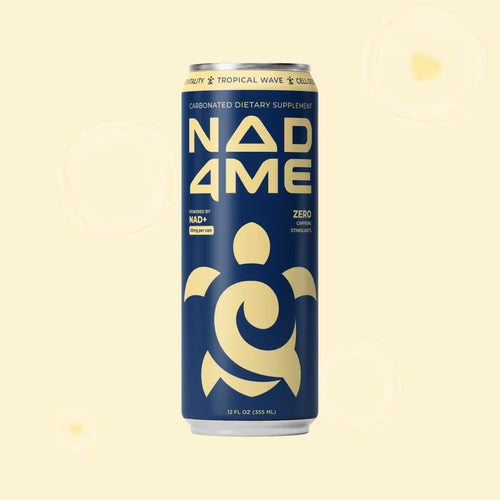
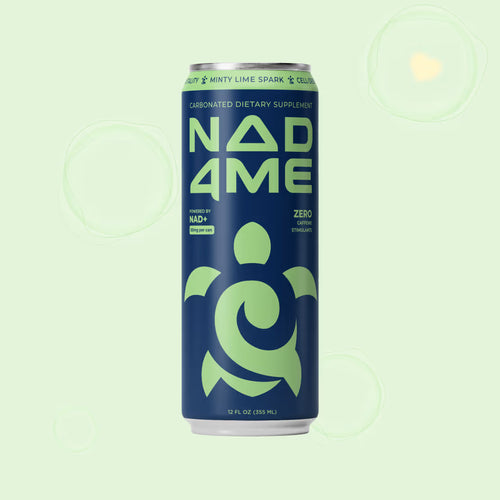
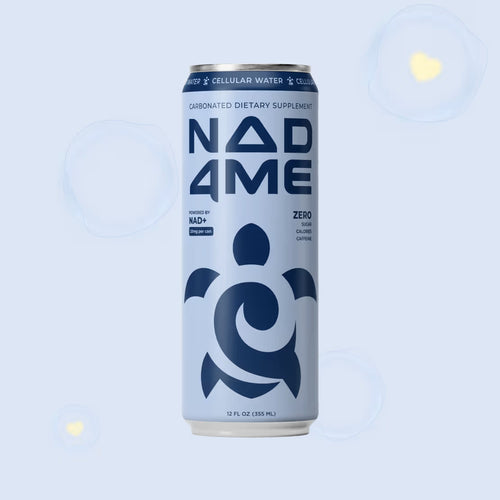
For people looking to move beyond the caffeine-crash cycle, a caffeine-free cellular wellness drink such as NAD4Me can fit into a morning or afternoon routine centered on steadier daily vitality. Think of it as a supportive choice, not a replacement for sleep, nutrient-dense food, or movement. The strongest wellness routines are layered, not magical.
Make Stress Recovery a Daily Practice
Stress is not the enemy. Your body is built to respond to a deadline, a tough workout, or a challenging conversation. The problem is stress without a recovery phase - when high alert becomes the default setting.
Recovery can be remarkably unglamorous. It may look like a ten-minute walk outside after work, a phone-free meal, a few slow breaths before a meeting, or a boundary that protects your evening. These habits do not erase life’s demands, but they can help your nervous system shift out of constant urgency.
Social connection belongs here, too. Meaningful relationships are not an optional extra for a well-designed life. Make space for the people who leave you feeling more grounded, whether that is a weekly call, a training partner, dinner with friends, or time with family.
Track What Helps You Feel Capable
You do not need to measure every aspect of your life, but paying attention can reveal patterns. Notice your energy in the morning, your focus after lunch, your sleep quality, your mood, and how well you recover from exercise. A simple note in your phone for two weeks can be more useful than relying on memory.
When you change something, change one or two variables at a time. Add a strength session before buying new gear. Move your caffeine cutoff earlier before assuming you need another energy product. Eat a protein-forward breakfast for several days and see what happens to your afternoon focus. Small experiments create useful feedback without turning wellness into another full-time job.
There are moments when professional support matters. Persistent fatigue, major changes in sleep, unexplained weight changes, chest pain, dizziness, or a noticeable decline in mood or function deserve a conversation with a licensed health care professional. Proactive care is part of a smart longevity mindset.
Choose Consistency Over Intensity
The healthiest routine is not the one that looks most impressive online. It is the one you can sustain through a busy quarter at work, a family obligation, a vacation, and the occasional imperfect week. If a plan demands constant willpower, it is probably asking too much.
Set a low bar you can clear on hard days: a 15-minute walk, a protein-rich meal, a consistent bedtime, a glass of water before coffee, or five minutes of mobility. These actions may seem small, but they reinforce an identity built around care rather than punishment.
Healthy aging is a daily vote for the energy, strength, and clarity you want more of. Start with one habit that makes tomorrow feel easier, repeat it until it feels normal, and let that momentum carry you forward.