NAD Drink vs Coffee: A Better Energy Ritual
NAD drink vs coffee: compare caffeine's fast lift with cellular wellness support for steadier energy, clear focus, and a more intentional daily ritual.
That second cup can feel like a non-negotiable part of the workday. But the NAD drink vs coffee conversation is not really about choosing a winner. It is about choosing the kind of energy experience that fits your body, schedule, and long-term routine.
Coffee has earned its place. It is familiar, effective, and deeply ritualized. Yet for people who feel wired at noon, foggy at 3 p.m., or strangely tired after a “productive” day, caffeine may be delivering a trade-off that no longer feels worth it. A cellular wellness drink offers a different route: no caffeine, no stimulant chase, and a daily ritual built around the biology behind energy production.
NAD Drink vs Coffee: The Core Difference
Coffee works primarily through caffeine. Caffeine temporarily blocks adenosine, a compound involved in signaling sleep pressure to the brain. That can make you feel more alert quickly, which is exactly why coffee is so useful before an early meeting, a long drive, or a demanding workout.
A NAD drink is designed around a different idea. NAD+ is a coenzyme found naturally in the body and involved in cellular processes related to energy metabolism. Rather than relying on a stimulant signal, a cellular wellness beverage is formulated to support the systems that help turn nutrients into usable cellular energy.
That distinction matters because alertness and energy are not identical. You can feel awake while still feeling depleted, distracted, or ready to collapse when the stimulation fades. The goal of a zero-caffeine ritual is not to recreate a coffee buzz. It is to support a steadier, more grounded feeling of vitality throughout the day.
What Coffee Does Well
Coffee does not need a wellness rebrand to be useful. For many adults, moderate coffee intake can be an enjoyable part of the morning. It creates a clear cue that the day has started, offers a fast lift, and can be a social ritual as much as a beverage choice.
Caffeine also has a predictable timeline. Most people feel it within 15 to 45 minutes, though sensitivity varies widely. That speed is coffee’s strength. If you need an immediate boost before a presentation or a pre-dawn flight, a cup of coffee can feel like the practical answer.
The challenge is that the same mechanism can be disruptive for some people. Caffeine can bring jitters, a racing feeling, digestive discomfort, or anxious energy. It can also linger longer than expected. An afternoon latte that seems harmless at 2 p.m. may make it harder to wind down later, especially for people who metabolize caffeine slowly.
Coffee also does not solve the reasons you may be reaching for it. Poor sleep, inconsistent meals, dehydration, overloaded calendars, and high training volume can all make caffeine feel less like a pleasure and more like a daily rescue plan.
Why a NAD Drink Feels Different
A well-formulated NAD drink is not intended to feel like an espresso shot in a can. That is the point. Its experience is often better described as calm, clear, and sustained rather than sudden, intense, and urgent.
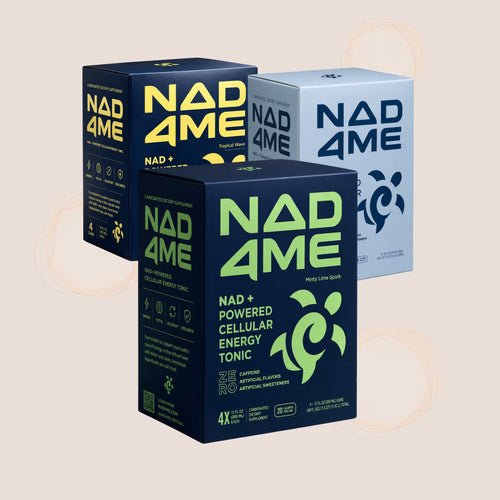
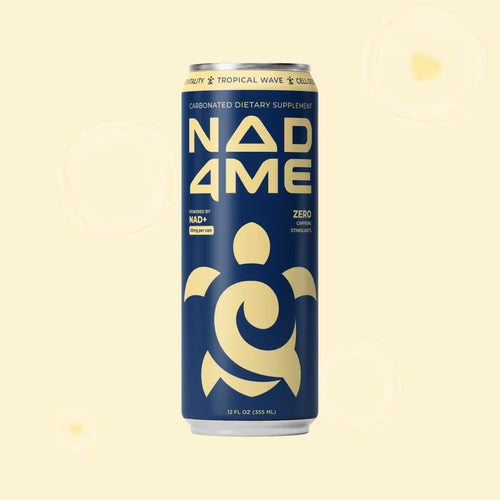
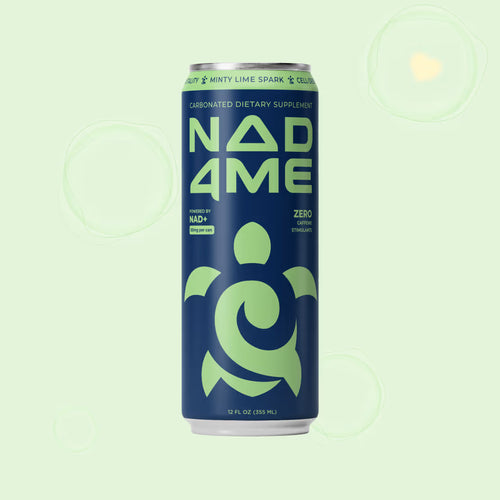
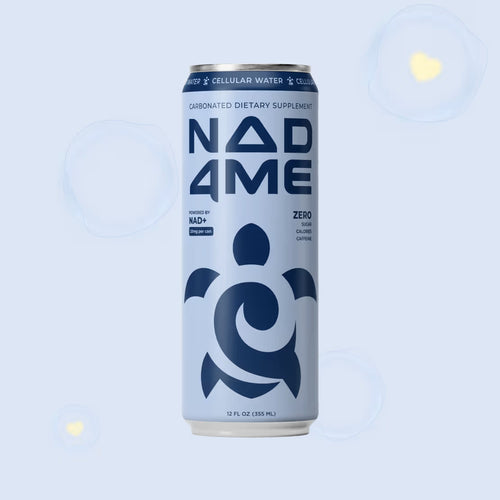
NAD&ME’s NAD4Me is built around stabilized NAD+ with supportive ingredients including L-tryptophan, trigonelline, ergothioneine, inositol, and essential B-vitamins. Together, these ingredients reflect a cellular wellness approach: support the daily foundations of energy rather than layering more stimulation on top of fatigue.
For a wellness-minded professional, this can be especially appealing. You may want to stay present through back-to-back calls without feeling overstimulated. You may train after work and still want to protect your evening wind-down. Or you may simply be tired of needing caffeine before you feel like yourself.
The future of energy has no caffeine because energy should not always come with a crash, a spike in nervous-system intensity, or a bedtime compromise. That does not mean every person needs to quit coffee. It means there is now another option for people who want a different relationship with daily energy.
The Trade-Off: Immediate Lift vs Steadier Support
The most honest comparison comes down to expectations. Coffee is often the better choice when you want a rapid, noticeable shift in alertness. A NAD drink may make more sense when you are building a repeatable daily vitality ritual and want to avoid caffeine altogether.
If you expect a cellular wellness drink to hit like a double espresso, you may miss what makes it valuable. Stimulant-free energy is subtler by design. The payoff is not an artificial sense of urgency. It is the ability to move through your morning, work block, workout, or afternoon with less dependence on the roller coaster.
That also means results are personal. Your sleep, stress level, food intake, hydration, caffeine tolerance, and overall routine all shape how any energy product feels. Someone who drinks four coffees a day may initially notice the absence of caffeine more than the benefits of a new ritual. Someone already sensitive to stimulants may appreciate the difference immediately.
When to Choose Coffee, a NAD Drink, or Both
You do not have to turn this into a purity test. Coffee can stay in your life if it serves you well. The useful question is whether it is supporting your day or quietly setting the terms of it.
Choose coffee when you genuinely enjoy it, tolerate it well, and want a quick burst of alertness. Keep an eye on timing. If sleep matters to you, and it should, try to avoid making late-afternoon caffeine a default solution for a demanding day.
Choose a NAD drink when you want a zero-caffeine option that aligns with clear focus, balanced energy, recovery-minded habits, and an evening that does not start with trying to come down from your afternoon beverage. It can be a smart fit first thing in the morning, before a focused work session, alongside a balanced breakfast, or as an afternoon reset that will not compete with sleep.
Use both thoughtfully if coffee is a ritual you love but not a tool you want to lean on all day. You might keep your morning coffee and replace the second or third cup with a cellular wellness drink. That small shift can help you assess whether your afternoon energy depends on caffeine, routine, or a need for better foundational support.
Build an Energy Ritual That Does Not Borrow From Tonight
The best energy routine is not the one that makes you feel most stimulated at 9 a.m. It is the one that still lets you feel steady at 4 p.m. and ready for real rest when the day is over.
Start with the basics that beverages cannot replace: consistent sleep, enough water, protein and fiber at meals, movement, and breaks from constant screen intensity. Then choose your energy support with intention. A NAD drink can complement those habits without adding another stimulant variable to your day.
Try a simple experiment for one workweek. Notice when you reach for coffee, what you are actually feeling in that moment, and whether caffeine is helping or just postponing the crash. Swap one habitual cup for a zero-caffeine cellular wellness drink and pay attention to your focus, mood, and evening routine.
Your energy is more than a morning jolt. Treat it like the daily vitality practice it deserves to be.